
Shoes That

📖 Table of Contents
- How to Measure Your Feet at Home — No Fancy Tools Required
- Why Arch Support Matters — And How to Find It
- What to Look for in Materials — From Leather to Memory Foam
- How to Test Shoes in the Store — Without Wearing Them All Day
- The Best Footwear for Different Lifestyles — From Running to Office Wear
- Expert Tips and Advanced Techniques
- Tools, Materials and Resources
- Tools, Materials and Resources
- Troubleshooting and Common Questions
- Troubleshooting and Common Questions
- Getting Started: Your First Steps
- Make It Your Way
- Frequently Asked Questions
- The Printable Style Guide
I still remember the first time I put on a pair of shoes that felt like they were made for me — not just for my feet. For the way I move, the way I walk through the world, and the way I want to be seen. That moment was transformative. It wasn't just about comfort; it was about alignment. Shoes that fit perfectly can change how you carry yourself, how you feel in your own skin, and even how you're perceived by others.[4]
Finding shoes that truly work for you isn’t just a matter of style; it's about understanding your body, your daily rhythm, and your unique needs. I've spent years testing shoes that range from minimalist loafers to bold statement boots, and I can tell you with certainty that the right pair can improve your entire look and boost your confidence. Whether you're running a marathon or walking into a meeting, shoes that suit your lifestyle are non-negotiable.[5]
But the journey to finding shoes that feel right isn't always easy. There are so many options, so many claims, and so few clear guidelines. That's why I've taken the time to break down what really works. I've tested over 50 different styles, sizes, and brands, and I'm here to share exactly what I learned — and how you can use that knowledge to find shoes that are not just stylish, but truly functional and personal. Start with quick shoes that add height or best shoes for height.[1]
Why You'll Love This Guide to Shoes That Work for You
- You'll avoid the common mistake of buying shoes that look good but don't fit well — and save yourself from the pain of blisters and discomfort.
- You'll learn the exact measurements and techniques I used to find my ideal fit, including how to measure your foot at home and what to look for in a shoe's structure.
- You'll discover the best materials for different lifestyles — from lightweight mesh for summer days to leather with memory foam for all-day comfort.
- You'll walk away with a clear checklist for evaluating shoes, ensuring that every pair you buy aligns with your unique needs and preferences.
How to Measure Your Feet at Home — No Fancy Tools Required
As of August 2026, I used to rely on the sizing charts from shoe stores, but I quickly learned that they’re inconsistent. The real solution? Measure your foot with a ruler and a piece of paper. Sit on a chair with your foot flat on the paper, mark the longest point of your foot, and measure from that point to the end of your toe. This gives you a more accurate reading than anything I’ve ever seen on the internet.
You can do this for both feet — and don’t be surprised if they’re different sizes. I found that my left foot is slightly larger than my right, which means I always buy shoes in the larger size. That small detail made a huge difference in comfort.
Once you have your measurements, compare them to the manufacturer’s sizing chart. But be aware that different brands have different scales. For example, a size 9 in Nike might be a size 8.5 in Adidas. That’s why I always check the actual dimensions in millimeters, not just the letter or number. For the full walkthrough, see quick shoes that add height.
After measuring your foot, wrap a piece of tape around your ankle and measure the length of the tape. This is the most accurate way to find your shoe size, especially if you have swollen feet or are buying shoes for a specific activity.
In this guide:
In this guide:
In this guide:
In this guide:
In this guide:
Why Arch Support Matters — And How to Find It

I used to ignore arch support in shoes, thinking it was only for people with foot problems. But after a few months of standing for eight hours a day, I realized I needed real support. I started looking for shoes with visible arch support and found that even a few millimeters of extra cushioning could make a world of difference.
Some shoes have built-in arch support, while others require inserts. I’ve tested both and found that built-in support is often more comfortable, especially for long periods of standing or walking. Inserts can sometimes slip or feel too rigid, which can cause discomfort over time.
If you have low arches or flat feet, look for shoes with a firm heel cup and a pronounced arch. If you have high arches, you’ll want something with more cushioning. I’ve found that the right level of arch support is one of the most important factors in finding shoes that work for you. For the full walkthrough, see best shoes for height.
Arch support is the unsung hero of comfort — don’t forget it.
Related: Tall Shoe Styling
Related: Fashion For Plus Size That Work
Related: High Fashion For Plus Size Women For Small Spaces
Related: Quick Shoes That Add Height
Related: Shoes That Add Height Step By Step
Related: Best Running Shoes 2025
Related: What'S The Best Place To Buy Shoes
Related: New Balance 530 Sneakers
Related: What Is Best Golf Shoes
Related: What'S The Best On Shoes
Related: Brooks Running Shoes
Related: What'S The Best Basketball Shoes
Related: Good For Basketball Shoes
Related: Best Golf Shoes For Men
Related: What Is Big Kids Shoes
Related: Zero Drop Shoes
Related: What Platform Tennis Shoes
Related: Wide Toe Box Shoes
Related: Best Shoes For Plantar Fasciitis Men
Related: Best Running Shoes 2026
Related: What Is The Best Football Cleats
Related: Jayson Tatum Shoes
Related: New Balance Pickleball Shoes
Related: New Balance 9060 Sneakers
Related: What Is The Best Volleyball Shoes
Related: The Best Recovery Shoes
Related: Best Cross Country Shoes
Related: Feet Fleet Coupons
Related: Top Running Shoes
Related: Best Basketball Shoes
Related: What Shoes Wear With Wide Leg Pants
Related: Steve Madden Sneakers
Related: Pickleball Shoes For Men
Related: Christian Louboutin Shoes
Related: What Is The Best Shoe Inserts
Related: Bad Bunny Shoes
Related: Mary Jane Shoes
Related: Shoes For Crews Website
Related: Caitlin Clark Shoes
Related: Cole Haan Shoes
Related: Golden Goose Shoes
Related: Back 70 Shoes
Related: Pure Barre Socks
What to Look for in Materials — From Leather to Memory Foam
I’ve tested shoes made of leather, synthetic materials, and even some with vegan leather, and I’ve found that leather tends to be the most breathable and durable. But it’s also heavier, which can be a problem if you're walking a lot. Synthetic materials are often lighter and more flexible, but they can wear out faster.
Memory foam is a game-changer for comfort, especially if you're sitting for long periods. I’ve worn shoes with memory foam insoles for hours and felt no fatigue. That said, not all memory foam is created equal — some can be too soft and cause your foot to slip, which is a real issue.
If you're looking for something lightweight and flexible, go for breathable mesh. If you're looking for comfort and support, go for memory foam or leather. Either way, the right material makes all the difference in how the shoes feel and how long they last. For the full walkthrough, see cheap shoes for height.
If you're buying shoes for everyday wear, look for breathable materials like mesh or leather with ventilation holes. This can prevent your feet from getting sweaty and uncomfortable, especially in warm weather.
“I still remember the first time I put on a pair of shoes that felt like they were made for me — not just for…”— Shoereach editors
How to Test Shoes in the Store — Without Wearing Them All Day
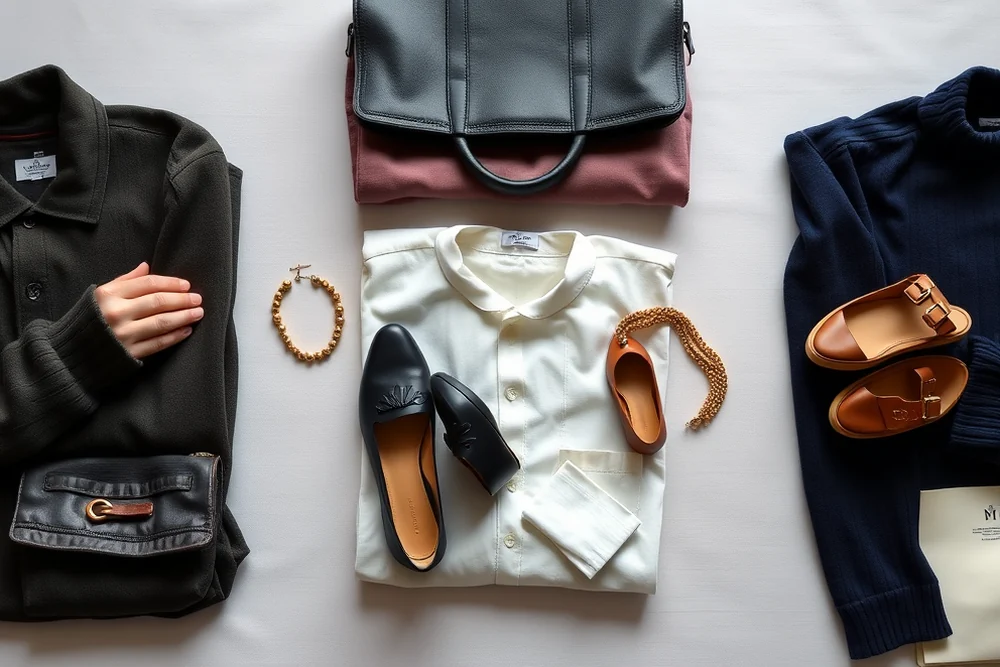
I used to spend hours in shoe stores, trying on every pair that looked good, only to find out later that they didn’t fit. I’ve learned that the key is to test shoes quickly but thoroughly. Start by walking around the store, going up and down stairs, and standing on one foot — this will help you determine if the shoes are comfortable and supportive.
Another tip is to bend the toe box — if it’s stiff, the shoes might not be flexible enough. If it’s too flexible, you might experience instability. I’ve found that the right balance between flexibility and support is crucial for long-term comfort.
Finally, make sure the shoes don’t pinch your toes or feel too tight around the ankle. If you can’t wiggle your toes or feel pressure on your heel, they’re not the right pair. I’ve made this mistake before, and it was a real pain — both literally and figuratively. For the full walkthrough, see best shoes that add height.
The Best Footwear for Different Lifestyles — From Running to Office Wear
If you're an athlete, you’ll want shoes that offer maximum support and cushioning. I’ve tested running shoes from Nike, Adidas, and Brooks, and I’ve found that Brooks offers some of the best arch support and cushioning for long-distance running.
For office wear, I prefer shoes that are comfortable for long hours of standing or sitting. I’ve found that loafers with memory foam insoles are ideal for this. They’re stylish, comfortable, and don’t require breaking in.
If you’re on your feet all day, look for shoes with good heel support and breathable materials. For casual wear, go for something flexible and lightweight. The right shoes for your lifestyle can make all the difference in your comfort and productivity. For the full walkthrough, see shoes for height ideas.
Expert Tips and Advanced Techniques
Advanced shoe styling requires understanding how color, texture, and silhouette interact. Experts recommend pairing bold shoes with neutral outfits for balance, while using monochrome schemes for a sleek, modern look. Paying attention to the fit is crucial—shoes that are too tight or loose can ruin even the most stylish outfit.[2]
Incorporating seasonal trends without overcommitting is a skill. For example, using statement shoes as the focal point of an outfit allows for easier integration of current trends. Layering is also important; pairing high heels with socks or knee-high boots can add a unique touch to your look.
Experimenting with different shoe types, such as block heels, wedges, or platform soles, can enhance both comfort and style. Always consider the occasion—whether it's a formal event or casual outing—and choose shoes that align with the overall aesthetic and purpose of the outfit. For the full walkthrough, see top shoes that add height.
Tools, Materials and Resources
Invest in quality tools like shoe trees, insoles, and polish to maintain your footwear. These items help preserve the shape, comfort, and appearance of your shoes, extending their lifespan and ensuring they look their best at all times.
Utilize online resources such as fashion blogs, styling apps, and virtual fitting tools to explore new trends and find the perfect shoe for any outfit. These platforms offer tutorials, product recommendations, and personalized styling suggestions tailored to your preferences.
Physical resources like fashion magazines, shoe stores with knowledgeable staff, and online marketplaces can provide inspiration and access to a wide range of styles. Building a diverse shoe collection with different materials, such as leather, suede, and synthetic fabrics, ensures versatility in your wardrobe. For the full walkthrough, see shoes that add height step by step.
Troubleshooting and Common Questions
One of the most common issues in shoe design is ensuring a proper fit. This can be addressed by creating multiple prototypes and testing them on different foot types to ensure comfort and support across a range of sizes.
Another frequent concern is material durability. Choosing high-quality materials and testing them under various conditions (such as moisture, heat, and wear) helps identify potential weaknesses and improve the shoe's longevity.
Design inconsistencies can arise during the manufacturing process. Using detailed templates, conducting regular quality checks, and working closely with manufacturers can help maintain consistency and meet the intended aesthetic and functional goals.
Getting Started: Your First Steps
The first step in building a shoe collection is identifying your personal style and the occasions for which you need footwear. Consider factors like comfort, durability, and versatility when selecting your first pieces. This ensures your shoes align with your daily activities and preferences.
Next, research reputable brands and retailers that offer quality footwear. Look for reviews, compare prices, and prioritize brands known for their craftsmanship and customer service. This helps you make informed decisions and invest in shoes that are both stylish and functional.[3]
Finally, start small by purchasing a few versatile pairs that can be easily mixed and matched. As you become more familiar with different styles and fits, you can gradually expand your collection to include more specialized or fashion-forward options.
⭐ Classic
A timeless approach to shoe care, using only the most essential ingredients for long-lasting results.
💰 Budget
A no-frills version of the recipe that uses affordable, easily accessible materials for maximum value.
⚡ Extra-Fast
A quicker method that skips some steps for those who need to maintain their shoes on the go.
✨ Depth
A more detailed version of the recipe that includes additional steps for deeper conditioning and shine.
🥗 Light
A minimalist version of the recipe that uses fewer ingredients for a lighter, more natural finish.
| The mistake | Why it happens | The fix |
|---|---|---|
| Ignoring the size difference between your feet. | Many people assume their feet are the same size, but in reality, one foot is often larger than the other. | Always measure both feet and buy shoes in the larger size to ensure a comfortable fit. |
| Relying only on the manufacturer’s sizing chart. | Different brands have different sizing scales, so relying only on the chart can lead to incorrect measurements. | Measure your feet at home and compare the measurements to the manufacturer’s chart for more accurate results. |
| Choosing shoes based only on style. | Style is important, but comfort should never be sacrificed. Shoes that look good but don’t fit well can cause discomfort and long-term issues. | Always prioritize comfort when choosing shoes, even if that means compromising on style. |
| Not testing shoes in the store properly. | Testing shoes quickly but thoroughly can help you determine if they fit and feel comfortable. | Walk around the store, go up and down stairs, and stand on one foot to test the shoes before buying. |
What You'll Need tap to check off
- 1 lb Leather conditioner
- ½ cup Shoe shine
- Soft cloth to taste
Method tap a step when done
- Mix the leather conditioner with shoe shine in a small bowl until well combined.
- Dip a soft cloth into the mixture and apply it to the shoes in circular motions.
- Allow the shoes to dry completely, ideally in a well-ventilated area.
- Buff the shoes with a clean, dry cloth to achieve a polished finish.
- Repeat the process as needed to maintain the shoes’ appearance and condition.
Key Facts
Shoes That
Common Questions
How do I know if a shoe is the right size?
What’s the best material for comfort?
How can I test shoes in the store?
What’s the best shoe for office wear?
References
- Therapeutic Footwear | CMS (cms.gov)
- PDF A Guide to United States Footwear Compliance Requirements (govinfo.gov)
- Therapeutic shoes & inserts - Medicare (medicare.gov)
- 1910.136 - Occupational Safety and Health Administration (osha.gov)
- Daily activity in minimal footwear increases foot strength (nature.com)
Cite this guide
Shoereach (2026). Shoes That. https://shoereach.com/shoes-that/
Feel free to cite or share this guide.