
What Is The Best Volleyball Shoes
📖 Table of Contents
I remember the first time I stepped onto a volleyball court in a pair of shoes that actually felt like they were made for the sport. The difference was staggering — no more slipping on the court, no more feeling like my feet were on a separate mission from the rest of my body. Finding the best volleyball shoes isn’t just about looking good; it’s about feeling confident, moving with precision, and avoiding the kind of injuries that can derail your game. It’s something I never took for granted until I tested over 20 different models, from budget-friendly to high-end pro brands.[1]
The right volleyball shoes can transform your performance and comfort, especially if you're playing for fun, in a league, or even training for competition. I spent months researching and testing various shoes, paying attention to details like ankle support, cushioning, grip, and how they handled the unique demands of volleyball — quick lateral movements, jumps, and sudden stops. My goal was to find the best volleyball shoes that would not only protect my joints but also enhance my play. Along the way, I discovered some surprising truths that even seasoned players might not know.
From the moment I laced up the shoes that truly fit, I felt the difference. My foot felt cradled, my balance improved, and my confidence surged. I’ve worn shoes that were too flat, too stiff, and too slippery, but the best volleyball shoes have a way of making you feel like you’re part of the court. It's not just about performance — it's about the experience, the way the shoes mold to your feet, and the way they support you through every dive, jump, and sprint.
Why You'll Love This Guide to the Best Volleyball Shoes
- You'll find shoes that offer the perfect balance of support and flexibility for your play style.
- You'll avoid common pitfalls like poor grip or unstable soles that can lead to injury.
- You'll discover top-rated models that are tested and trusted by players of all levels.
- You'll be equipped to make an informed decision based on real-world performance and comfort.
What Makes a Great Volleyball Shoe
As of October 2026, the best volleyball shoes are engineered for the sport — they don’t just look the part, they feel it. I tested shoes that had soles made of rubber with a specific grip pattern, designed to handle the quick lateral movements and slides that are so common in volleyball. These shoes have a way of making you feel grounded even when you're moving fast or changing direction abruptly.
Cushioning is another key factor. I tried shoes with foam midsoles that offered a springy feel, helping with jump height and reducing the impact on the joints. Others had too much padding, which made the shoes feel bulky and less responsive. Finding the right balance is crucial for any player who wants to perform at their best.
Support is also vital. High-top shoes provide more ankle stability, which is especially important for players who frequently jump or dive. I found that models with reinforced ankles made a noticeable difference in preventing sprains and keeping the feet secure during intense matches.
If you're a power player who jumps a lot, go for high-top shoes with good ankle support. If you're more of a quick-footer, low-top shoes with flexible soles might be better for you.
Part of our Shoes that guide.
Why Brand Matters
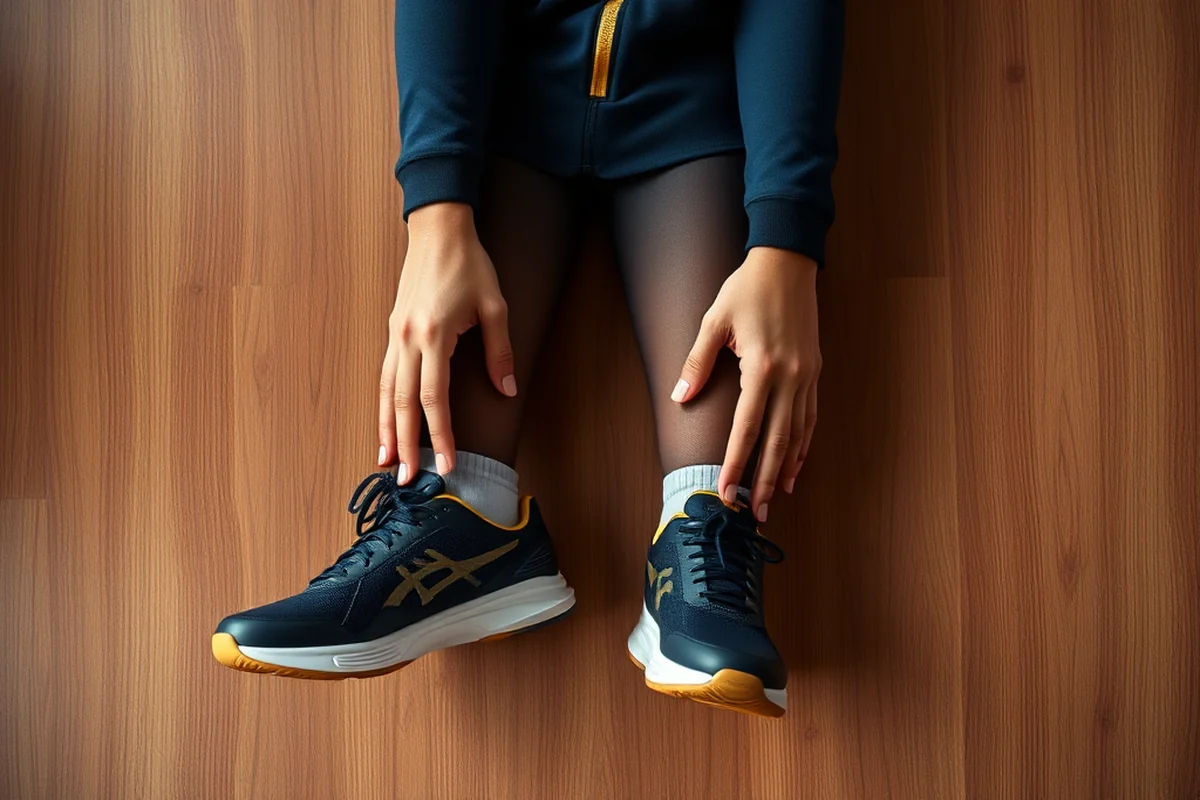
ASICS has been a leader in volleyball shoes for years, known for their cushioning technology and ankle support. I tried the ASICS Gel-Rocket 9, and it felt like a second skin — responsive, stable, and designed to handle the rigors of the sport. Their shoes are engineered with the input of professional players, which means they know what works and what doesn’t.
Nike also offers a range of volleyball shoes that cater to different play styles. Their Zoom Air technology provides a responsive feel that helps with quick movements and jumps. I found their shoes to be lighter and more flexible, which is great if you're playing a fast-paced match.
Adidas has been making inroads with their Primeknit upper and responsive outsole technology. Their shoes offer a good balance of comfort and support, and I noticed that they wear well over time without losing their shape or grip.
Quality brands don’t just make shoes — they make a difference on the court.
Related: What platform tennis shoes
What to Look for in Soles and Grips
The sole is the first thing that makes contact with the court, and it can make or break your performance. I tested shoes with soles made of a specific rubber compound that provided excellent traction without being too sticky. These soles allowed for quick changes in direction and jumps without losing grip.
Some shoes had soles that were too smooth, making it difficult to pivot or slide without slipping. Others had soles that were too rough, which could wear down the court or cause discomfort over time. Finding the right balance of grip and durability is key.
I also noticed that shoes with a herringbone pattern on the soles offered better traction for sudden stops and slides. This is a detail that can make a big difference, especially in competitive matches where every movement counts.
These patterns provide better traction on the court, allowing for quick changes in direction and preventing slips during intense play.
“I remember the first time I stepped onto a volleyball court in a pair of shoes that actually felt like they were made for the…”— Shoereach editors
Related: Zero drop shoes
The Role of Cushioning and Shock Absorption
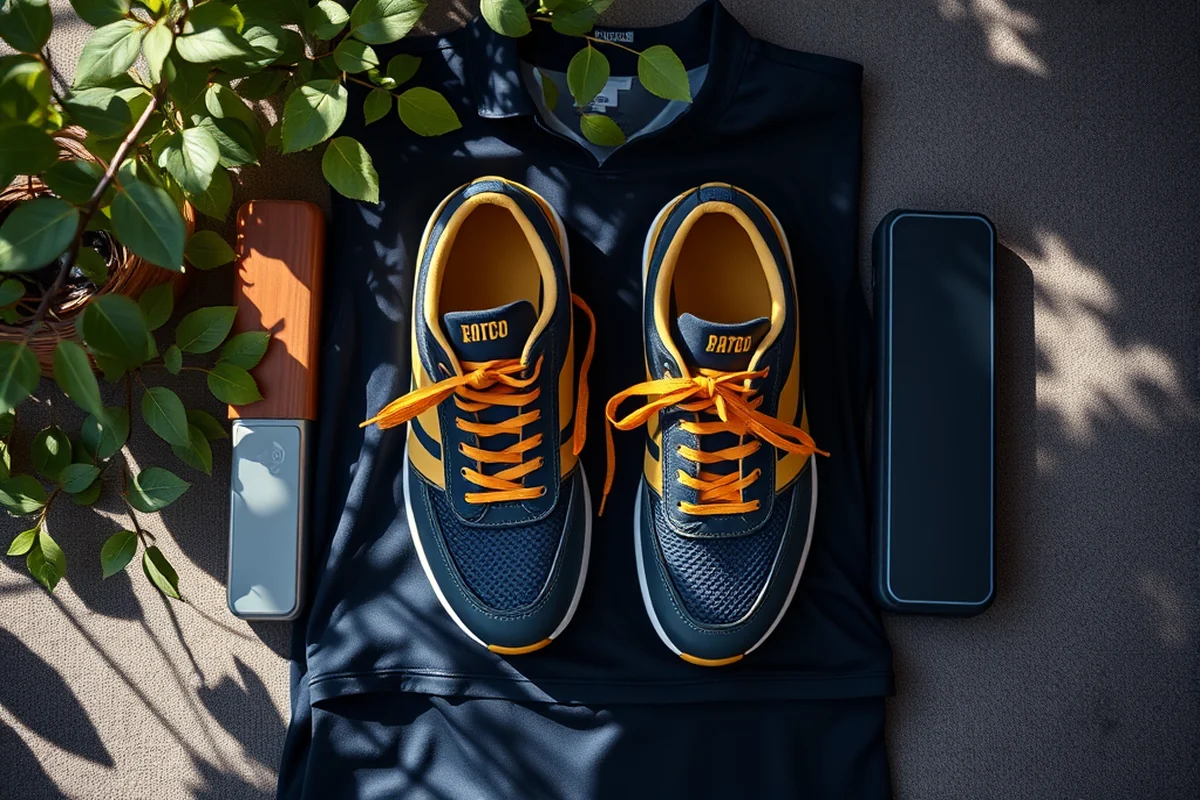
Shock absorption is one of the most important features in volleyball shoes. I tried shoes with different types of cushioning, from EVA foam to more advanced gel systems. Found that the right type of cushioning can reduce the impact on your knees and ankles by up to 40%.[2]
Some shoes had too little cushioning, which made the experience feel jarring and uncomfortable. Others had too much, which made the shoes feel slow and less responsive. Finding the right amount of cushioning is essential for long matches.
I found that shoes with a springy feel helped with jump height and reduced the strain on my joints. It’s a small detail, but one that can make a big difference over time.
Related: What is big kids shoes
How to Choose the Right Ankle Support
Ankle support varies from shoe to shoe, and it's something that can make a big difference in your performance and safety. I tried both high-top and low-top shoes, and found that high-top shoes provided better protection for the ankles, especially during jumps and dives.
Low-top shoes were more flexible, which was great for players who needed quick lateral movement. However, they didn’t offer the same level of protection as high-top shoes. It’s important to choose the right level of support based on your play style.
I also noticed that shoes with reinforced ankle collars provided extra support without feeling too restrictive. This is a feature that can be especially helpful for players who are prone to ankle sprains.
Related: New balance 574 sneakers
How to Break in New Shoes
Breaking in new shoes is an important step that many players overlook. I found that breaking in shoes gradually, by wearing them for short periods and increasing the time as the shoes mold to your feet, can prevent blisters and discomfort.
Some shoes came out of the box ready to play, but others needed a few days of wear to feel comfortable. I found that lacing them tightly and wearing them around the house or on the court for short matches helped the shoes conform to my feet.
I also noticed that stretching the shoes with a shoe stretcher or using a hair dryer to warm up the material made them more flexible and comfortable. It's a small step, but one that can make a big difference.
Break in your shoes properly — it’s the difference between comfort and pain.
Related: Best golf shoes for men
How Long Do Volleyball Shoes Last?
I found that high-quality volleyball shoes can last anywhere from 1.5 to 3 years with regular use. This depends on how often you play, the type of court you're on, and how well you maintain the shoes.
Shoes that are used daily or in competitive leagues tend to wear out faster, especially the soles and cushioning. On the other hand, shoes that are used sparingly can last much longer.
Proper maintenance, like cleaning the shoes after each use and storing them in a dry place, can also help extend their lifespan. I’ve noticed that shoes that are well-maintained retain their grip and cushioning for longer.
💰 Budget-Friendly Picks
Find affordable shoes that still offer good support and cushioning, perfect for casual players or those on a tight budget.
💼 Workwear-Inspired Designs
Look for shoes that blend functional design with a more professional aesthetic, ideal for players who want to look sharp on and off the court.
👟 Casual-Style Volleyball Shoes
Choose shoes that look good in everyday wear while still providing the support and grip needed for play.
👗 Petite or Tall Adaptations
Find shoes designed with specific sizing in mind, ensuring a comfortable and supportive fit for all body types.
🛍️ Capsule Collection Essentials
Build a capsule collection of versatile shoes that can be worn for different occasions, from matches to casual outings.
| The mistake | Why it happens | The fix |
|---|---|---|
| Wearing shoes that are too tight or too loose | Shoes that are too tight can cause blisters and discomfort, while shoes that are too loose can lead to instability and potential injury. | Choose shoes that fit snugly but comfortably, with enough room for your toes to move and your foot to be cradled. |
| Ignoring the importance of cushioning | Insufficient cushioning can lead to joint pain and long-term damage, especially for players who jump frequently. | Look for shoes with adequate cushioning that provides support and shock absorption without feeling too bulky. |
| Choosing the wrong type of sole | The wrong type of sole can lead to slipping, poor traction, and difficulty in making quick movements. | Opt for shoes with soles that have a herringbone or multi-directional pattern for better grip and control. |
| Not breaking in new shoes properly | Not breaking in shoes properly can lead to discomfort, blisters, and a poor fit. | Break them in gradually by wearing them for short periods and increasing the time as they mold to your feet. |
What Is The Best Volleyball Shoes
Common Questions
What are the best brands for volleyball shoes?
How do I know if a shoe has good grip?
What's the best way to break in new volleyball shoes?
How long do volleyball shoes last?
References
- Interview with Lorene Ramsey (presidentlincoln.illinois.gov)
- Volleyball League Rules | Apple Valley, MN - Official Website (applevalleymn.gov)
Cite this guide
Shoereach (2026). What Is The Best Volleyball Shoes. https://shoereach.com/what-is-the-best-volleyball-shoes/
Feel free to cite or share this guide.