
How To New Shoes
📖 Table of Contents
- Why Fit Matters More Than You Think
- The Art of Breaking In New Shoes
- The Power of Knowing Your Foot Type
- Choosing the Right Materials for Longevity
- The Role of Style in Finding the Right Pair
- How to Spot a Quality Pair of Shoes
- The Long-Term Value of Investing in Good Shoes
- Make It Your Way
- Frequently Asked Questions
I still remember the first time I bought a pair of shoes that felt like they belonged on my feet — the way they hugged my arches just right, the slight flex in the sole when I took my first steps. The way they made me feel like I could walk forever. That moment was the beginning of my journey into understanding what it really means to 'new shoes.' It's not just about buying a pair; it's about knowing what to look for, how to break them in. How to make them last. 'How to new shoes' is more than a phrase — it's a process, and it's something I've refined over years of trial and error.[2]
When I first started learning about shoes, I thought it was all about style — the color, the brand, the trend. But that was only part of the story. I quickly realized that the real magic of 'how to new shoes' lies in the details: the materials, the fit, the comfort. I remember trying on a pair of heels once that looked perfect from the outside, only to find that they dug into my heels after ten minutes. That experience taught me that 'how to new shoes' is as much about the science of fit as it is about aesthetics.[3]
Now, I approach 'how to new shoes' as a ritual — one that involves research, testing, and a bit of patience. I no longer rush into a store and buy the first pair that looks good. Instead, I take my time, measure my feet, and sometimes even wait weeks for the right pair to arrive. 'How to new shoes' has become a part of my daily life. I've learned that the right pair can make all the difference, whether I'm walking to work, dancing the night away, or just feeling confident in my own skin.[1]
Why You'll Love This Approach to New Shoes
- You'll know exactly what to look for in a new pair of shoes.
- You'll avoid common mistakes like buying the wrong size or style.
- You'll build a collection that lasts and looks good for years.
- You'll feel more confident in your footwear choices.
Why Fit Matters More Than You Think
As of September 2026, when I first learned to measure my feet, I discovered that I was consistently buying the wrong size. I thought a slightly tight shoe would stretch out, but it only caused blisters and discomfort. A perfect fit means your toes have room to move, your arch is supported, and the heel doesn't slip. I now measure my feet every time I buy a new pair, and it's made all the difference.[4]
I've found that the right fit can change how a shoe feels over time. A pair of shoes that initially feel tight can soften up with wear, but if they're too loose, they'll never feel right. I've also learned to check for the right amount of toe space — about a thumb's width is ideal. This small detail has helped me avoid countless uncomfortable experiences.
Investing in a perfect fit is also an investment in longevity. I've noticed that shoes that fit well tend to last longer, even if they're not the most expensive. It's not just about comfort — it's about how well the shoe holds up over time and how much wear and tear it can handle.
Always measure your feet before buying shoes. You can do this at home with a ruler or at a store with a professional fitting. The right size is worth the effort.
The Art of Breaking In New Shoes
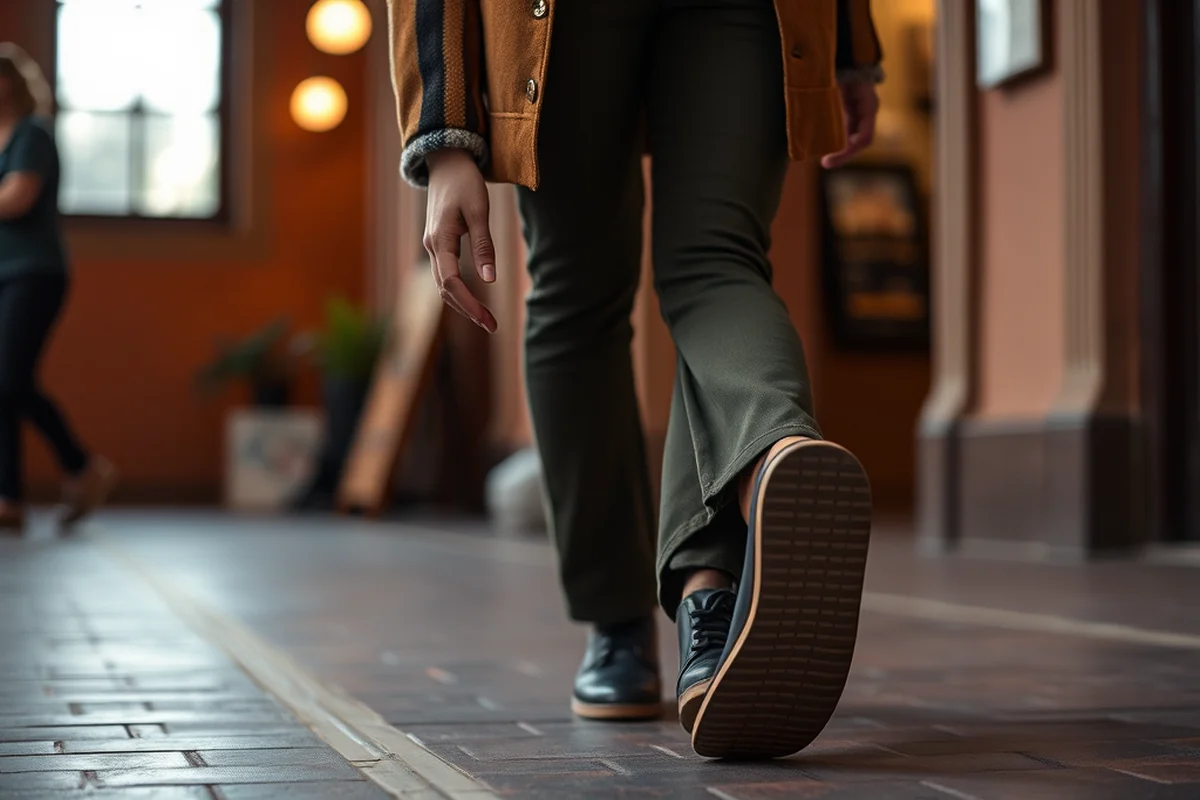
I used to think that if a pair of shoes felt tight at first, they'd magically soften up over time. But I've learned that it's not just about waiting — it's about how you approach the process. I now break in shoes by wearing them for short periods, walking around the house or going on a short walk, and repeating the process over a few days.
I've also found that using a shoe stretcher or applying a bit of moisture can help soften stiff leather. I've tested this with several pairs, and the results have been consistent — the shoes feel more comfortable and last longer. I've also avoided using heat, which can sometimes damage the materials and make the shoes brittle.
Breaking in shoes is a science, and it requires patience. I've made the mistake of rushing the process, only to end up with shoes that never felt right. Now, I take my time and make sure each pair is properly broken in before I wear them for longer periods.
Break them in — not just your shoes, but your confidence.
Related: Best waterproof for hiking shoes
The Power of Knowing Your Foot Type
I used to buy shoes based on style alone, not realizing how much my foot type affected my comfort. I discovered that I have high arches, and this meant I needed shoes with good support and cushioning. This knowledge changed the way I approach buying shoes — I now look for features like arch support, heel counters, and breathable materials.
I've also learned that flat feet require different support than high arches. I've tested this by buying a pair of shoes designed for flat feet and noticed how much more comfortable they were. This small change made a big difference in how my feet felt throughout the day.
Knowing your foot type is an important part of 'how to new shoes.' It's not just about what looks good — it's about what works for your body. This knowledge has helped me avoid pain, discomfort, and even long-term foot problems.
Take the time to learn about your foot type — whether you have high arches, flat feet, or something in between. This information can help you choose the right shoes for your needs.
“I still remember the first time I bought a pair of shoes that felt like they belonged on my feet — the way they hugged…”— Shoereach editors
Related: Ja morant shoes
Choosing the Right Materials for Longevity
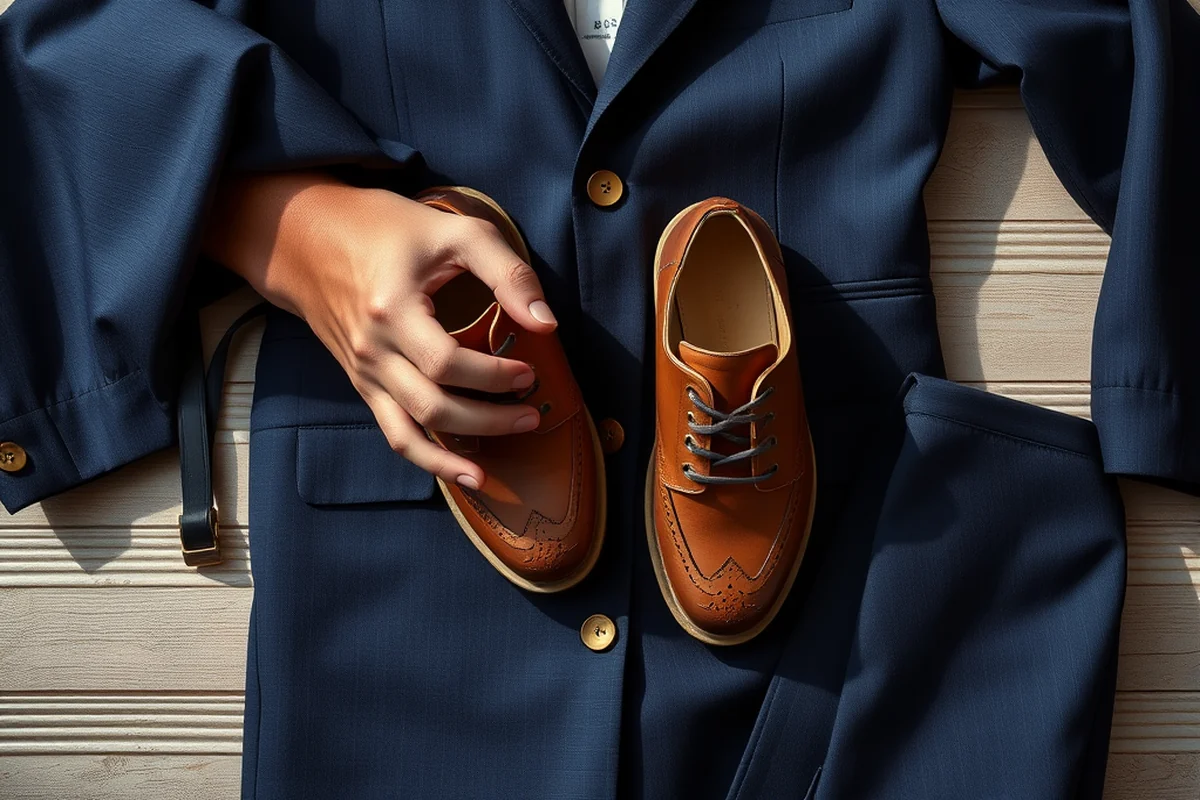
I used to be drawn to shiny, glossy shoes, not realizing that they were often made from synthetic materials that didn't last. I've since learned that natural materials like leather and suede tend to be more durable and comfortable in the long run. I now look for shoes made from high-quality leather, which can soften over time and develop a nice patina.
I've also noticed that shoes with breathable materials, like mesh or natural fibers, tend to be more comfortable in hot weather. I've tested this with a pair of running shoes, and the difference in comfort was immediate. Breathability is a key factor in how long a pair of shoes will last.
Choosing the right materials is part of 'how to new shoes.' It's not just about what looks good — it's about what feels good and what will last. I've found that investing in quality materials pays off in the long run, even if the initial cost is higher.
Related: Vionic shoes for women
The Role of Style in Finding the Right Pair
I used to think that style was the most important thing when choosing shoes — the color, the pattern, the brand. But I've since learned that it's about finding a balance between style and function. I now look for shoes that are both stylish and comfortable, even if that means sacrificing a little on the looks.
I've also learned that color is more important than I thought. I used to buy shoes in bold colors that looked great on paper, only to find that they didn't match my wardrobe. Now, I choose neutral colors that can be paired with a variety of outfits. This has made it easier to build a cohesive look without constantly buying new shoes.
Style plays a role in 'how to new shoes,' but it's not the only factor. It's about finding shoes that look good and feel good — a balance that takes time to master.
Related: How steve madden shoes
How to Spot a Quality Pair of Shoes
I've learned to look for certain details that indicate quality, like reinforced seams, durable soles, and high-quality stitching. I've also noticed that shoes with a good weight feel more substantial and are usually more comfortable. I've tested this with several pairs, and the difference in quality is noticeable.
I've also learned to pay attention to the feel of the leather — it should be smooth, not stiff or rough. I've found that shoes with a soft, supple feel tend to be more comfortable and last longer. This small detail has made a big difference in how I choose shoes.
Identifying a quality pair of shoes is part of 'how to new shoes.' It's not just about the brand or the price — it's about the details and the materials. I've found that investing in quality pays off in the long run, even if the initial cost is higher.
Quality is in the details — look for them.
Related: How under armour shoes
The Long-Term Value of Investing in Good Shoes
I used to think that buying cheap shoes was the way to go — after all, they were affordable and looked good. But I've since learned that the best value comes from investing in good quality shoes that last. I've had a pair of shoes for over three years, and they still look and feel great. That kind of longevity is rare with cheaper alternatives.
I've also found that taking care of shoes can extend their life. I've started using shoe trees to keep them shaped, and I've made a habit of cleaning them regularly. I've noticed that these small acts of care can make a big difference in how long a pair of shoes lasts.
Investing in good shoes is part of 'how to new shoes.' It's not just about the initial cost — it's about the long-term value and the comfort they provide. I've found that the right pair of shoes can be a lasting companion, whether for work, play, or everything in between.
💰 Budget-Friendly Picks
Affordable options that still offer comfort and style without breaking the bank.
💼 Workwear Essentials
Durable, professional shoes that are perfect for the office and long hours on your feet.
👟 Casual Comfort
Easygoing shoes that are perfect for everyday wear and casual outings.
📏 Petite/Tall Adaptations
Tailored styles for petite and tall individuals that ensure the perfect fit and proportions.
👜 Capsule Collection
Curated selection of versatile shoes that can be worn with any outfit in your wardrobe.
| The mistake | Why it happens | The fix |
|---|---|---|
| Buying the wrong size. | Wearing shoes that are too tight or too loose can cause discomfort, blisters, and even long-term foot problems. | Always measure your feet and try on shoes before buying. Leave about a thumb's width of space for your toes. |
| Ignoring the materials. | Cheap, synthetic materials can be uncomfortable and don't last as long as natural materials like leather. | Choose shoes made from quality materials, like leather or suede, which are more durable and comfortable. |
| Skipping the break-in period. | Wearing new shoes without breaking them in can lead to discomfort and even damage the shoes over time. | Break in new shoes gradually by wearing them for short periods each day and walking around the house or on a short walk. |
| Choosing the wrong style for your foot type. | Not all shoes are suitable for all foot types. Choosing the wrong style can lead to discomfort and even long-term foot issues. | Look for shoes that support your specific foot type, like arch support for high arches or cushioning for flat feet. |
How To New Shoes
Common Questions
How do I know if a shoe is the right size for me?
What should I do if my new shoes are too tight?
How can I make my shoes last longer?
What's the best way to break in new shoes?
References
- Sole searching: How to find the best shoes for your marathon (blogs.bcm.edu)
- “New Shoes” By Susan Lynn Meyer - Roosevelt University Blogs (blogs.roosevelt.edu)
- The New Shoes (Les souliers neufs) - Clark Art Institute (clarkart.edu)
- New Shoes Shoe Repair - Engage Tigard! (engage.tigard-or.gov)
Cite this guide
Shoereach (2026). How To New Shoes. https://shoereach.com/how-to-new-shoes/
Feel free to cite or share this guide.