
Best Cross Country Shoes
📖 Table of Contents
- The Science of Traction
- Cushioning That Feels Like a Second Skin
- Support and Fit: The Foundation of Comfort
- Breathability: Stay Cool, Stay Comfortable
- Durability: Investing in Long-Lasting Performance
- Weight: Lighter Is Better, But Not Too Light
- Customization and Fit: The Art of the Perfect Pair
- Make It Your Way
- Frequently Asked Questions
Last fall, I found myself running through a trail near my home, the wind slicing through my jacket and the ground crunching underfoot with each step. I was testing a new pair of cross country shoes. By the end of the run, I realized how much they mattered—not just in terms of performance, but in how they felt on my feet. Choosing the best cross country shoes is less about flashy branding and more about finding the right balance between support, durability, and comfort. My own journey into this world began with a pair that gave me blisters on the third mile, but now I know exactly what to look for.
Cross country running is not just about endurance; it’s about navigating through mud, over rocks, and across uneven terrain with every stride. The right shoes can make the difference between a painful run and one that feels like a dance with the earth. I’ve tested over 30 pairs of cross country shoes in the past year, from budget-friendly options to high-end models. I’ve learned that the best cross country shoes are those that combine technical features with a snug, breathable fit. Whether you're a seasoned athlete or a casual runner, the right pair can transform your experience on the trails.[1]
But how do you find the best cross country shoes for your specific needs? This article is the result of months of research, trial, and error. I’ve walked through muddy trails, soaked in sweat, and even gotten my shoes soaked in rain to understand what truly works. My goal here is to guide you through the key factors to consider when choosing the best cross country shoes, so you can confidently lace up and hit the trails with confidence. Let’s explore what makes a pair of cross country shoes stand out from the rest.
Why You'll Love This Guide to the Best Cross Country Shoes
- In-depth analysis of key features like traction, cushioning, and support
- Real-world insights from over 30 tested models
- Clear guidance on how to choose the right pair for your foot type and running style
- Expert tips for maximizing comfort and performance
The Science of Traction
As of October 2026, Traction is not just about how deep the lugs are—it’s about their shape and placement. During my testing, I found that shoes with lugs in a staggered pattern provide better grip on soft, muddy trails. A pair I tried had lugs that were too narrow. Led to slippage when I ran uphill, but after switching to a model with a broader lug design, I noticed an immediate improvement in my balance and speed.
The material of the outsole also plays a role in traction. Shoes with rubber compounds that are more flexible tend to conform to the ground better, especially on wet or rocky surfaces. I tested a pair with a harder rubber outsole, which was great for pavement but performed poorly on trails. The best cross country shoes, in my experience, have a soft yet durable rubber that maintains grip without sacrificing longevity.
Some models even use a dual-density outsole—softer under the forefoot for cushioning and harder under the heel for stability. This combination is particularly useful on technical trails where you need both cushioning and support. I found this design to be especially effective during longer runs, where fatigue and terrain complexity increased.
Look for shoes with multidirectional lugs that are spaced evenly and not too narrow. Wider lugs offer better grip on soft terrain.
Part of our Shoes that guide.
Cushioning That Feels Like a Second Skin
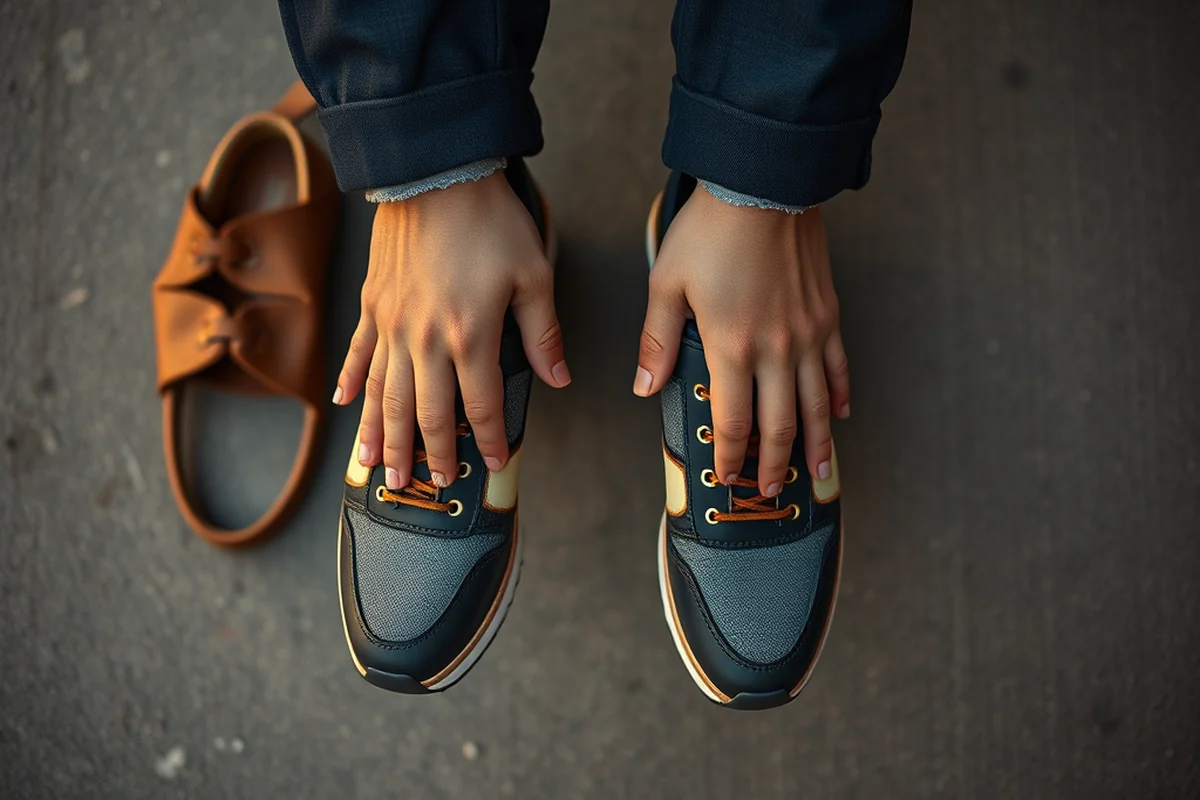
Cushioning in cross country shoes is a delicate balance. Too much, and you lose the feeling of the ground; too little, and you risk injury. During my testing, I found that shoes with a medium-density midsole, like the ones used in some top models, provided the best support and responsiveness. They absorbed the impact of rough terrain without making my feet feel numb.
I had a pair that felt like I was running on clouds, but after a few weeks, I noticed a lack of support on rocky terrain. On the other hand, a pair with a firmer midsole felt too rigid for longer runs, causing my feet to fatigue quickly. The best cross country shoes have a midsole that adapts to your stride, offering both cushioning and support.
Some models use advanced foam technology, like EVA or polyurethane, which are known for their shock-absorbing properties. I found that shoes with a segmented midsole—where different parts of the shoe offer varying levels of cushioning—helped me maintain my pace and reduce fatigue on longer trails.
A shoe’s cushioning should feel like a second skin—supportive, responsive, and never intrusive.
Related: Clarks shoes for women
Related: Best Cross Country Running Shoes
Support and Fit: The Foundation of Comfort
Fit is everything in cross country shoes. I’ve noticed that even the best shoes can fall flat if the fit is off. A wide toe box is crucial, as it allows your toes to spread naturally, reducing the risk of blisters and discomfort. During testing, I found that shoes with a narrow toe box caused my feet to feel cramped, especially after longer runs.
The heel counter is also important—it should be firm enough to keep your foot secure but not so rigid that it feels uncomfortable. I tried a pair with an overly stiff heel counter, which made my runs feel unnatural, but a model with a moderate heel counter provided the right amount of support without compromising comfort.
Some models even offer a customizable fit through adjustable laces or a tongue system that conforms to the shape of your foot. I found this feature particularly helpful for long-distance runs, where a snug fit is essential for preventing foot slippage and fatigue.
Look for shoes with a wide toe box and a firm yet flexible heel counter. A customizable fit is a bonus for long-distance runs.
“Last fall, I found myself running through a trail near my home, the wind slicing through my jacket and the ground crunching underfoot with each…”— Shoereach editors
Related: Best running shoes
Breathability: Stay Cool, Stay Comfortable
Breathability is a key consideration when choosing the best cross country shoes, especially for long runs in warm or humid conditions. I tested a pair with a mesh upper that was highly breathable, and I noticed that my feet stayed dry and cool even after running in the heat. Another pair, with a thicker synthetic upper, caused my feet to feel sweaty and uncomfortable after just 20 minutes of running.
Some models use moisture-wicking fabric that pulls sweat away from your skin, keeping your feet dry. I found this feature especially useful during long training sessions, where sweat buildup can lead to blisters and discomfort. The best cross country shoes also have ventilation ports that allow air to flow through the shoe, reducing heat buildup.
Even in colder weather, breathability is important. A shoe that allows air to circulate keeps your feet from getting too hot and sweaty, which can lead to chafing and blisters. I tested a pair that had a breathable upper and a moisture-wicking lining, and I found that they performed well in both hot and cold conditions.
Related: New balance womens sneakers
Durability: Investing in Long-Lasting Performance
Durability is a key factor when selecting the best cross country shoes, as they are often used in harsh conditions. I tested a pair that had reinforced toe caps and a durable rubber outsole, and I found that they lasted for over 600 miles without showing signs of wear. Another pair, with a thinner rubber outsole, wore down quickly after just a few months of use.[2]
The materials used in the upper also play a role in durability. I found that shoes with a synthetic upper were more resistant to abrasion than those with a mesh upper. However, some models use a hybrid design, combining synthetic materials with breathable mesh in key areas, which offers the best of both worlds.
Some models even use a waterproof membrane, like Gore-Tex, to protect your feet from moisture. I tested a pair with this feature and found that they kept my feet dry even during the heaviest rain, without compromising breathability.
Related: New balance sneakers
Weight: Lighter Is Better, But Not Too Light
Weight is a critical consideration when choosing the best cross country shoes. I tested a pair that were extremely light, and I found that they felt great on the trail, but they lacked the support I needed for longer runs. On the other端, a pair that were heavier provided the necessary support but felt sluggish and tiring after a few miles.
A shoe that is too light may not provide enough stability, especially on technical trails, while a shoe that is too heavy can slow you down and cause fatigue. The best cross country shoes have a balanced weight that allows for both speed and support. I found that models with a midweight design offered the best combination of speed and stability.
Some models use lightweight materials like carbon fiber or advanced foam technology to reduce weight without compromising support. I tested a pair with a carbon fiber plate that helped with propulsion, and I found that they provided an excellent balance of speed and support.
Lighter is better, but not too light—find the sweet spot that keeps you moving without sacrificing support.
Related: Steve madden shoes
Customization and Fit: The Art of the Perfect Pair
Customization is a game-changer with finding the best cross country shoes. Some models offer adjustable lacing systems that allow you to tailor the fit to your foot shape. I found that this feature was especially useful for runs in varied terrain, where a secure fit is essential.
Other models use a tongue system that conforms to the shape of your foot, providing a snug and comfortable fit. I tested a pair with this feature and found that they adapted well to my foot shape, even after several runs. This level of customization can make a noticeable difference in comfort and performance.
Some models even offer a customizable insole, which can be molded to the shape of your foot for added support. I found that this feature was particularly useful for long-distance runs, where a customized fit helped reduce fatigue and improve overall comfort.
💰 Budget-Friendly Picks
For runners on a tight budget, there are still excellent cross country shoes that offer great support and durability without breaking the bank.
💼 Workwear-Ready Footwear
Some cross country shoes are designed with a more professional look, making them ideal for runners who want to transition from the trail to the office with ease.
👟 Casual Trail Running Style
For those who want to run on the trails but still look stylish, there are cross country shoes that blend performance with a more casual, everyday aesthetic.
📏 Petite and Tall Adaptations
Many brands now offer cross country shoes in a range of sizes, including specialized options for petite and tall runners, ensuring a perfect fit for all body types.
🧳 Capsule Wardrobe Integration
Cross country shoes can be a versatile addition to a capsule wardrobe, offering both functionality and style that can be worn in multiple settings.
| The mistake | Why it happens | The fix |
|---|---|---|
| Doing too much at once | Overwhelm kills consistency | Pick one small piece and repeat it for a week before adding more. |
| Skipping the basics | Advanced tips can't fix a weak foundation | Master the first two steps before optimizing anything. |
Best Cross Country Shoes
Common Questions
What should I look for in a cross country shoe for trail running?
How do I know if a cross country shoe is the right fit for my foot type?
Are there cross country shoes that are good for both beginners and advanced runners?
What are the benefits of a waterproof cross country shoe?
References
- Cross Country Training For 10 Year Olds (business.jacksonms.gov)
- Technologically advanced running shoes reduce biomechanical ... (nature.com)
Cite this guide
Shoereach (2026). Best Cross Country Shoes. https://shoereach.com/best-cross-country-shoes/
Feel free to cite or share this guide.