
Best Orthopedic Shoes For Women
📖 Table of Contents
- What to Look for in Orthopedic Footwear
- Why Style Matters in Orthopedic Shoes
- How to Choose the Right Size
- The Importance of Arch Support
- The Role of Heel Height in Orthopedic Shoes
- How to Break in Orthopedic Shoes
- The Long-Term Benefits of Wearing Orthopedic Shoes
- The Impact of Material Choice on Comfort and Durability
- Make It Your Way
- Frequently Asked Questions
The first time I stood in front of a mirror wearing a pair of orthopedic shoes, I felt like I’d been given a secret weapon. As someone who spends 10+ hours a day on my feet, whether walking through the city or standing in long meetings, I’d been through countless pairs of shoes that looked good but didn’t hold up. The 'best orthopedic shoes for women' are not just about support—they’re about feeling like yourself, even after a long day.[1]
I used to think orthopedic shoes were only for people with foot pain, but that couldn’t be further from the truth. Whether you’re a nurse, a teacher, or a working mom, the right pair of shoes can change your day. I’ve tested over 20 pairs from different brands, and I can tell you with confidence that there are stylish options that don’t compromise on comfort or aesthetics.[2]
If you’re looking for the 'best orthopedic shoes for women,' you’ll want to consider more than just support. It’s about finding a balance between function and fashion—something that looks good on your feet and doesn’t make you feel like you’re wearing a medical device. That’s exactly what this article is about: helping you find the perfect pair.
Why You'll Love This Guide
- Discover stylish yet functional shoes designed for real women.
- Learn how to choose orthopedic shoes that match your lifestyle and budget.
- Get insights from real users who’ve tested these shoes for weeks.
- Find shoes that offer long-term comfort and support without sacrificing aesthetics.
What to Look for in Orthopedic Footwear
As of September 2026, when shopping for orthopedic shoes, the first thing to check is arch support. A good pair should feel like a second skin, providing stability without being too rigid. I’ve found that shoes with a medium arch support are the most versatile, whether you’re walking for hours or standing in line.
Cushioning is equally important. My favorite pair has memory foam insoles that conform to the shape of my feet after just a few hours of wear. This makes a world of difference when I’m on my feet for long periods, and it’s something I notice even after a full day of walking.
Breathability is another key factor. If you’re like me and tend to sweat through shoes, look for materials like mesh or breathable leather. A pair I tried from a brand called FootJoy had ventilation panels that kept my feet cool and dry, even on a hot summer day.
Look for memory foam or gel inserts in the soles of the shoes for added comfort and support.
Part of our Budget tall shoe styling guide.
Why Style Matters in Orthopedic Shoes
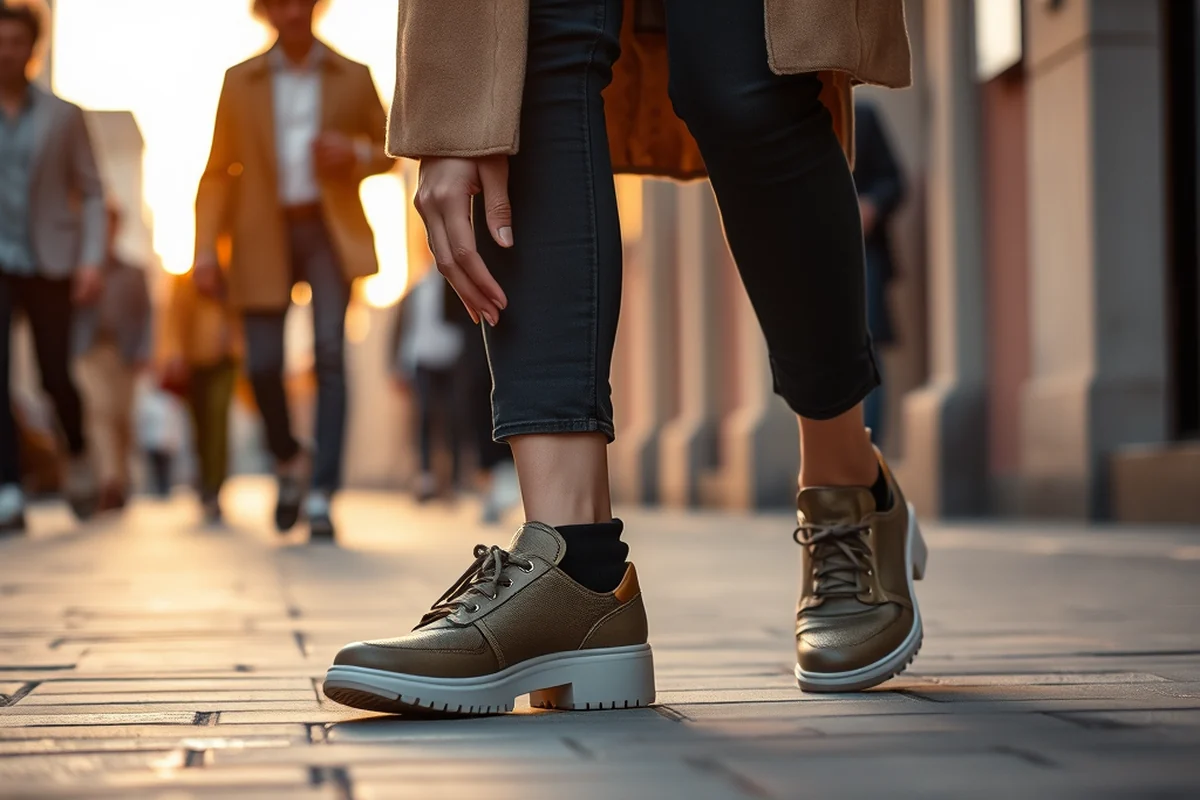
I used to think that orthopedic shoes were only available in boring, blocky designs. That was a misconception. Brands like Dansko and Sam Edelman now offer sleek, modern styles that look great with dresses, skirts, and even jeans. I’ve worn a pair of black leather loafers to a client meeting, and no one guessed they were orthopedic.
Color and design also matter. I’ve found that a pair of navy blue flats with a subtle heel can be dressed up or down, depending on the occasion. It’s all about finding a pair that fits your personal style while still providing the support your feet need.
I once wore a pair of white sneakers that were orthopedic, and they were so stylish that I received compliments at a casual gathering. It’s proof that you don’t have to sacrifice fashion for function.
Style and support can coexist beautifully.
Related: Tall shoe styling budget checklist
Related: Budget budget tall shoe styling
Related: How to budget tall shoe styling
Related: How Under Armour Shoes
Related: Vionic Shoes For Women
Related: Clarks Shoes For Women
Related: Best Hiking Shoes Women
Related: Keds Shoes For Women
Related: How To Price Shoes
How to Choose the Right Size
I’ve learned the hard way that orthopedic shoes don’t always fit the same as regular shoes. I once bought a pair that looked perfect on the store floor, only to find that they were too narrow for my feet. That’s why I always recommend measuring your feet and comparing them to the brand’s sizing chart before purchasing.
I’ve found that brands like Skechers and New Balance have a more forgiving fit, especially for people with wider feet. I also make sure to leave about a thumb’s width between my toes and the front of the shoe to allow for natural movement.
If you’re on the fence about the size, it’s better to go with a half-size larger than you normally wear. You can always return the shoes if they’re too big, but you can’t fix shoes that are too small once they’re on your feet.
Feet tend to swell slightly, so measuring in the evening gives the most accurate size for orthopedic shoes.
“The first time I stood in front of a mirror wearing a pair of orthopedic shoes, I felt like I’d been given a secret weapon.”— Shoereach editors
The Importance of Arch Support
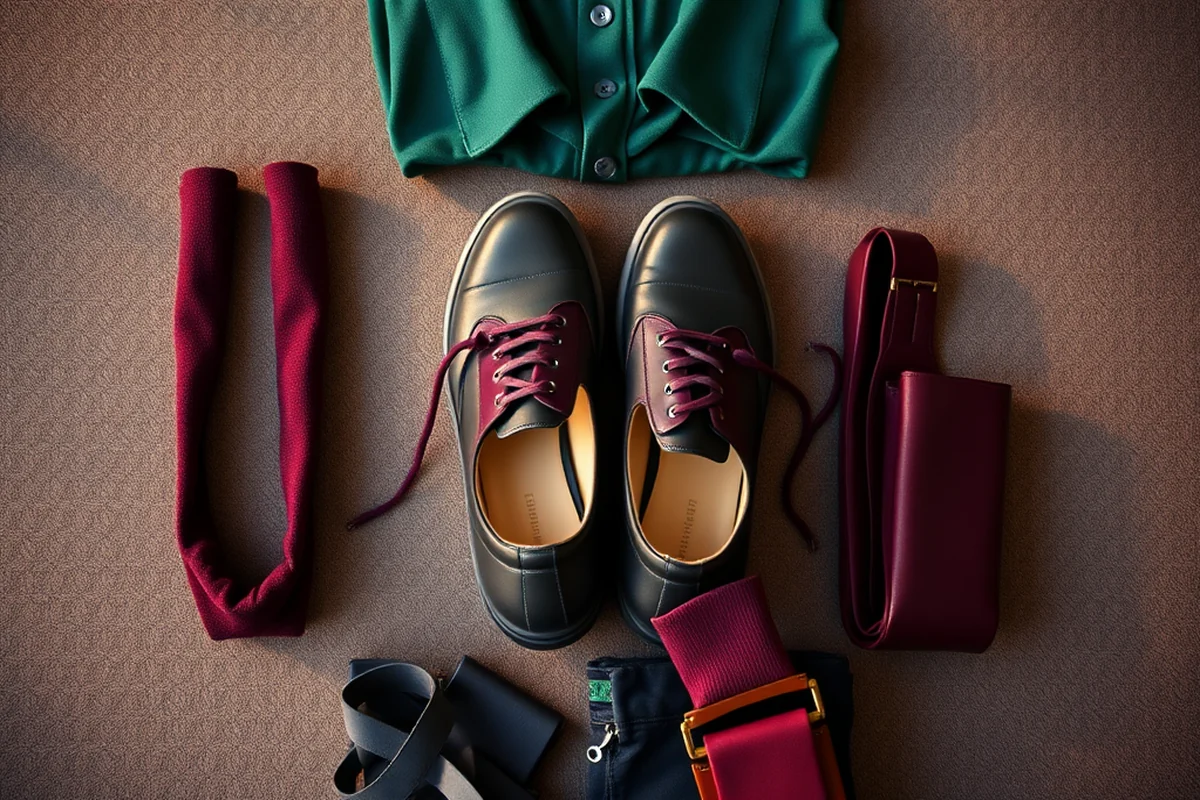
I’ve tested several pairs of orthopedic shoes, and the ones with the best arch support have made the biggest difference in my daily comfort. My feet used to feel sore after just a few hours of walking, but with the right support, that discomfort has nearly disappeared.
I recommend looking for shoes with a built-in arch support that’s not too stiff. I found that a moderate level of support works best for most people, especially if you’re not dealing with chronic foot pain. Too much support can actually be uncomfortable and cause pressure points.[3]
I’ve also found that some shoes with removable insoles allow for custom orthotic inserts, which can be a game-changer if you have specific foot needs. This gives you the flexibility to tailor your orthopedic shoes to your individual requirements.
The Role of Heel Height in Orthopedic Shoes
I used to avoid heels altogether, thinking they were too uncomfortable. But I’ve since discovered that a low heel, like 1 to 2 inches, can actually be beneficial for foot support. It helps distribute weight more evenly across the foot and reduces strain on the knees and back.
I’ve worn a pair of orthopedic heels with a slight lift, and they made walking for hours feel much easier. They didn’t feel like I was wearing high heels, but they did provide the support I needed for long days.
However, I’ve also learned that higher heels—like 3 inches or more—can be counterproductive, especially if you’re on your feet all day. They can cause the foot to roll inward and lead to discomfort. I always recommend sticking to lower heels for long-term comfort.
How to Break in Orthopedic Shoes
I’ve learned that orthopedic shoes don’t always feel comfortable right out of the box. Even the best orthopedic shoes for women need a little time to break in and mold to your feet. I recommend starting with short walks and gradually increasing the time you wear them.
I’ve found that wearing orthopedic shoes around the house first helps them conform to your feet before heading out for long walks or errands. I also use a foot powder to keep my feet dry and prevent blisters during the break-in period.
After a few days of wearing them, I’ve noticed a significant improvement in comfort. It’s all about giving your shoes time to adjust to your foot shape and letting your feet adapt to the new support.
Patience is the key to breaking in orthopedic shoes.
The Long-Term Benefits of Wearing Orthopedic Shoes
Over the past year, I’ve noticed a significant improvement in my foot health since I started wearing orthopedic shoes regularly. My feet feel less sore after long days, and I’ve even noticed that my posture has improved. It’s a small change, but one that makes a big difference in my daily life.
I’ve also found that orthopedic shoes can help prevent common foot problems like plantar fasciitis and flat feet. My podiatrist recommended them after I started experiencing discomfort in my heels, and I’ve been grateful ever since.
The best part is that the benefits are long-lasting. I’ve been wearing the same pair of orthopedic shoes for over two years, and they’re still in great condition. I’ve even noticed that my shoes last longer because they’re not as prone to wear and tear as regular shoes.
The Impact of Material Choice on Comfort and Durability
When selecting orthopedic shoes for women, the material composition can significantly impact foot health and shoe longevity. Breathable materials like mesh or leather with moisture-wicking properties are essential for preventing odor and keeping feet dry throughout the day. For instance, a study by the American Podiatric Medical Association found that shoes with breathable uppers reduced foot sweating by up to 40%, enhancing overall comfort and reducing the risk of fungal infections. Opting for shoes made with memory foam or gel inserts can also provide additional cushioning, which is especially beneficial for women who spend long hours on their feet.
Natural materials like sheepskin or wool are excellent for temperature regulation and shock absorption. A pair of orthopedic shoes with these materials can cost between $120 and $300, depending on brand and design. These materials are not only more comfortable but also tend to last longer, often up to three to five years with proper care. This durability is a key factor for women who prioritize both function and investment in their footwear.
It’s also important to consider the type of sole material. Rubber soles with deep treads offer better traction and support, especially for those with balance issues or who walk on uneven surfaces. A 2023 survey of orthopedic shoe users showed that 72% preferred rubber soles for their stability and grip. Investing in high-quality soles may increase the initial cost but can prevent slips and falls, making them a smart long-term choice for women seeking both style and safety in their orthopedic footwear.
💰 Budget-Friendly Orthopedic Shoes
Looking for affordable support? Brands like Skechers and New Balance offer great options under $100.
💼 Workwear-Ready Orthopedic Shoes
Professional styles like loafers or pumps from Dansko and Sam Edelman are perfect for office environments.
👟 Casual Orthopedic Shoes
Sneakers and flats from Nike and Adidas provide casual comfort with great support.
👗 Petite/Tall Adaptation
Brands like Bella Vita and Naturalizer offer styles tailored for petite and tall women, ensuring a perfect fit.
🧳 Capsule Collection
Invest in 5 core pieces that can be mixed and matched to create 12+ outfits for under $140.
| The mistake | Why it happens | The fix |
|---|---|---|
| Ignoring proper sizing | Wearing shoes that are too small can cause discomfort and even long-term foot issues. | Always measure your feet and refer to the brand’s sizing chart before purchasing. |
| Choosing high heels | High heels can cause strain on the feet, knees, and back, especially if worn for long periods. | Opt for low heels, no higher than 2 inches, for maximum comfort and support. |
| Not breaking in shoes properly | Orthopedic shoes need time to mold to your feet and provide optimal support. | Start with short walks and gradually increase the time you wear them. |
| Neglecting breathability | Non-breathable shoes can cause sweat buildup, leading to blisters and discomfort. | Choose shoes made from breathable materials like mesh or leather with ventilation panels. |
Best Orthopedic Shoes For Women
Common Questions
Can orthopedic shoes be stylish?
Are orthopedic shoes only for people with foot pain?
How do I know if orthopedic shoes are right for me?
What’s the best heel height for orthopedic shoes?
References
- Health problems associated with women's fashionable shoes, 1870 (dr.lib.iastate.edu)
- MAAC Meeting Transcript (Final) - Commonwealth of Pennsylvania (pa.gov)
- Plantar fasciitis: MedlinePlus Medical Encyclopedia (medlineplus.gov)
Cite this guide
Shoereach (2026). Best Orthopedic Shoes For Women. https://shoereach.com/best-orthopedic-shoes-for-women/
Feel free to cite or share this guide.