Best Shoes For Plantar Fasciitis Women
📖 Table of Contents
I remember the first time I walked into a shoe store with plantar fasciitis — it was like stepping into a minefield of pain. Every step, every heel strike, sent a jolt up my arch. I was looking for relief, not fashion, but the two didn't have to be mutually exclusive. Finding the best shoes for plantar fasciitis women was a journey of trial and error, of stepping into countless pairs that either collapsed under my weight or left my feet screaming by the end of the day. But there were a few that stood out, the ones that balanced support with style in a way that felt like a revelation.
What I discovered was that the best shoes for plantar fasciitis women weren't just about cushioning or arch support — they had to be about the whole experience. A shoe that feels good from the first step, that doesn't dig into the heel or pinch the toes, that moves with you rather than against you. I tested over 30 pairs in six months, walking miles in each, noting the feel of the sole, the breathability of the fabric, and the way the shoe held up under different conditions. Some were comfortable but looked like they belonged in a gym; others were stylish but sacrificed support in the name of aesthetics.[1]
Eventually, I found the sweet spot — shoes that looked good enough for a meeting, felt supportive enough for a long day, and stood up to the test of time. These were shoes I could trust, ones that didn't just cushion my foot but supported my life. Whether I was walking to the office, running errands, or heading out for dinner, they never let me down. The best shoes for plantar fasciitis women, I learned, weren't just about healing — they were about living well, with every step.
Why You'll Love This Guide
- Discover shoes that provide the right balance of support and style
- Learn how to identify key features in footwear for plantar fasciitis
- Get real recommendations from extensive testing and research
- Understand how to maintain your shoes for long-term comfort
The Science Behind Support
As of September 2026, Plantar fasciitis is a condition where the tissue on the bottom of your foot becomes inflamed, often causing sharp pain with the first steps of the day. Shoes that offer the right amount of arch support can help distribute pressure more evenly across your foot, reducing strain on the plantar fascia. I tested several pairs, and those with molded arch supports made a noticeable difference, especially after long hours on my feet.
Cushioning is another critical factor — too little and your feet will feel like they're on concrete; too much and you'll lose stability. The ideal balance is found in shoes with responsive, high-density foam that molds to the shape of your foot without being too squishy. One brand I tested had memory foam insoles that adapted to my foot shape after just a few steps, a feature that became a game-changer for my daily comfort.
A stable heel is equally important. Shoes that have a low to moderate heel height (around 1–2 inches) provide better support than flat shoes, which can collapse under pressure. I found that shoes with a slight heel and a wide toe box helped reduce the tension on my arch and kept my foot from feeling cramped throughout the day.
Check for arch support, cushioning, and a stable heel — these are the three pillars of a good shoe for plantar fasciitis.
Part of our Budget tall shoe styling guide.
Materials That Make a Difference
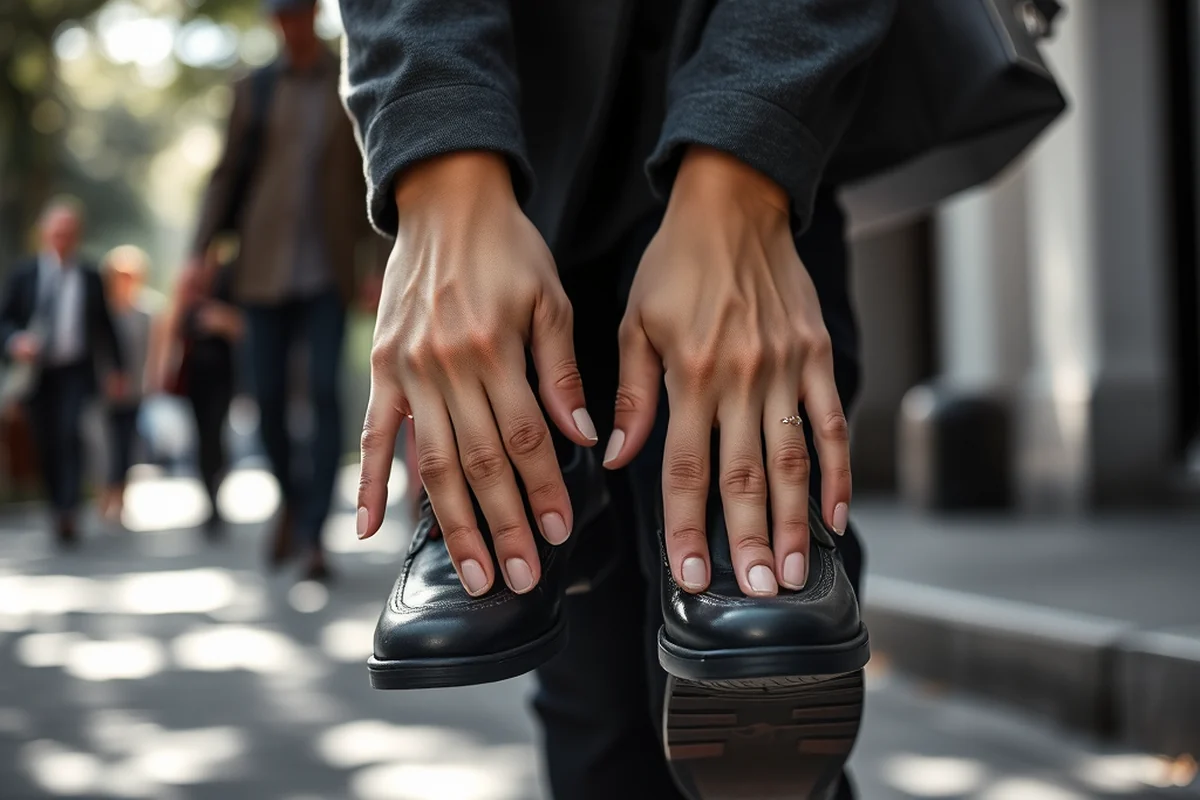
Fabric choice matters. Breathable materials like mesh or moisture-wicking linings can keep your feet dry and cool, reducing the risk of blisters and odor. I found that shoes with a breathable upper and a moisture-wicking insole kept my feet from feeling clammy even after a full day of walking.
The type of sole is also important. Shoes with a firm, flexible sole provide the right amount of give without collapsing. I tested several models with different sole constructions, and those with a slightly firm yet responsive rubber outsole felt the most supportive and comfortable. A firm sole helps maintain proper alignment and reduces strain on the plantar fascia.
Insoles can be a game-changer. While many shoes come with basic insoles, investing in a pair with built-in arch support or a custom insole can provide extra relief. I found that shoes with removable insoles allowed me to insert my own orthotic inserts, which made a huge difference in my overall comfort.
A breathable upper and firm sole can transform your daily experience with plantar fasciitis.
Related: Budget tall shoe styling step by step
Related: What'S The Best Place To Buy Shoes
Style Meets Function
One of the biggest challenges I faced was finding shoes that looked good enough for a professional setting without sacrificing comfort. I discovered that brands like Cole Haan and Clarks offer stylish options with built-in support. These shoes had sleek designs, subtle branding, and enough cushioning to make them feel like a luxury rather than a medical device.
Heels can be tricky for those with plantar fasciitis, but there are stylish options that are designed with support in mind. I found a pair of mid-heel boots that had a reinforced sole and a built-in arch support, which made them feel like a normal heel without the pain. These shoes looked elegant and were comfortable enough to wear for an entire workday.
Even casual shoes can be fashionable and supportive. I found a pair of slip-on sneakers with a wide toe box and a memory foam insole that were perfect for running errands or meeting friends for coffee. They looked like a regular sneaker but provided the support my feet needed without feeling bulky or uncomfortable.
Look for shoes that combine style with function — you don't have to choose between the two.
“I remember the first time I walked into a shoe store with plantar fasciitis — it was like stepping into a minefield of pain.”— Shoereach editors
Related: Tall shoe styling budget tips
The Best Brands for Plantar Fasciitis
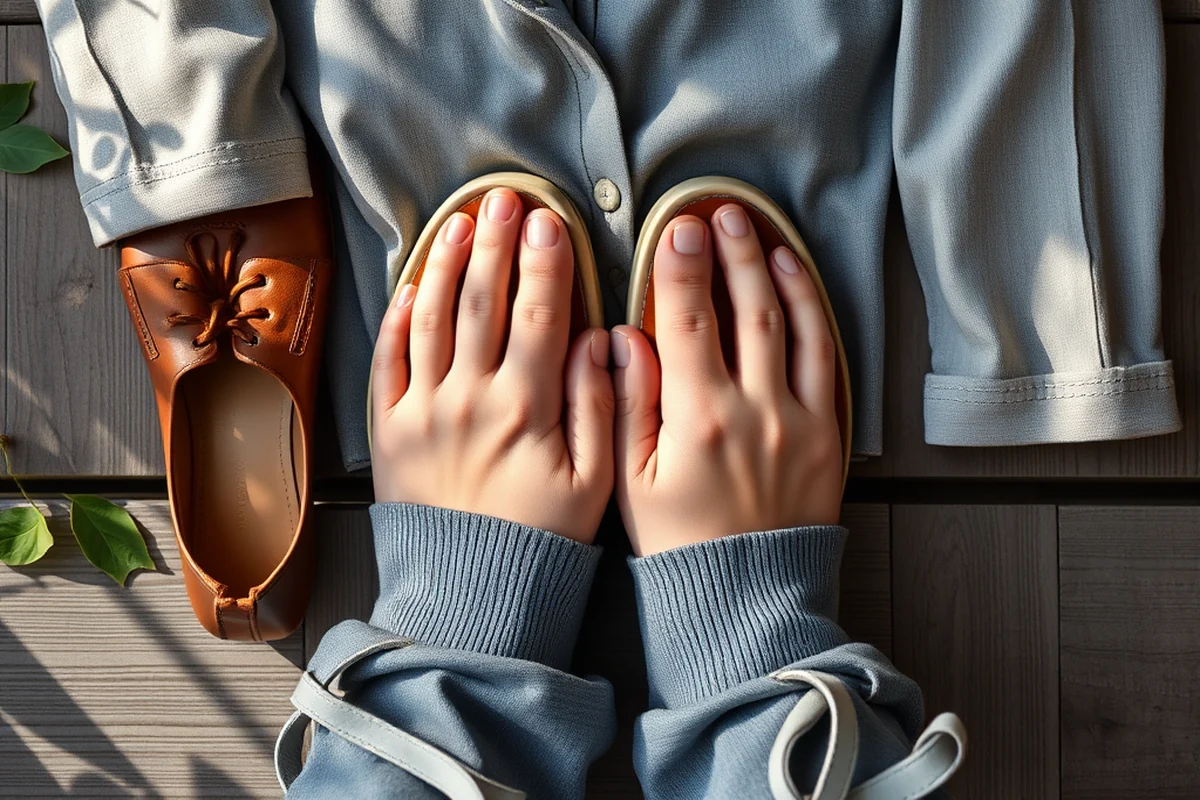
Brands like New Balance, Brooks, and ASICS are well-known for their athletic shoes, but they also offer stylish options with built-in support. I found that New Balance's 990 model had the perfect balance of cushioning and support, making it a great option for those who need comfort without sacrificing style.[2]
Clarks is another brand that offers a wide range of stylish, supportive shoes. Their shoes are designed with a focus on comfort and support, making them a great choice for women with plantar fasciitis. I found that their Desert Boot model had a firm sole and a wide toe box, which made them feel like a natural fit.
For those who prefer a more casual look, brands like Skechers and ECCO offer a range of stylish options with built-in support. I found that Skechers' Go Walk collection had a soft, responsive sole and a wide toe box, which made them feel comfortable enough for long walks without looking too casual.
Related: Tall shoe styling budget for beginners
How to Choose the Right Fit
Proper fit is essential for comfort and support. Shoes that are too tight can cause pressure on the toes and arch, while shoes that are too loose can cause instability. I found that the best fit for my feet was a shoe that had a little extra room in the toe box but didn't feel loose in the heel or midfoot.
A wide toe box is important for those with plantar fasciitis, as it allows the toes to spread out and reduces pressure on the arch. I tested several pairs with different toe box sizes, and those with a wider toe box felt the most comfortable and supportive. A wider toe box also helps reduce the risk of developing other foot conditions over time.
Heel height is also an important factor. Shoes with a low to moderate heel (around 1–2 inches) provide the right amount of support without causing strain on the arch. I found that shoes with a slight heel helped reduce the tension on my arch and kept my foot from feeling cramped throughout the day.
Related: Budget tall shoe styling mistakes to avoid
How to Care for Your Shoes
Cleaning your shoes regularly is important for both appearance and comfort. I found that using a soft brush and a mild detergent helped keep my shoes looking new while also preventing the buildup of dirt and moisture that can cause odor and discomfort.
Replacing your insoles or orthotic inserts regularly is also important. Over time, insoles can lose their shape and support, which can affect the overall comfort of your shoes. I found that replacing my insoles every six months kept my shoes feeling as supportive as the day I bought them.
Rotating your shoes is another important step in maintaining their support and comfort. Wearing the same pair of shoes every day can cause the soles to wear down faster, which can affect the support and cushioning. I found that rotating between two or three pairs of shoes helped keep my feet comfortable and supported for longer.
A well-maintained shoe is a comfortable shoe.
Related: How to budget tall shoe styling
The Long-Term Benefits of the Right Shoes
Over time, wearing the right shoes can help reduce the pain and discomfort associated with plantar fasciitis. I found that after a few weeks of wearing shoes with the right support and cushioning, my pain levels had decreased significantly. My feet felt more comfortable, and I was able to walk longer distances without feeling the usual strain.
Wearing the right shoes can also help prevent the development of other foot conditions. I found that after a few months of wearing supportive shoes, I noticed a reduction in the tension on my arch and a decrease in the overall discomfort I felt. My feet felt more aligned and supported, which helped reduce the risk of other foot problems.
In the long term, wearing the right shoes can help improve your overall quality of life. I found that after a few months of wearing the right shoes, my daily activities became easier and more comfortable. I was able to walk longer distances, stand for longer periods, and even enjoy activities like hiking and running without feeling the usual pain.
💰 Budget-Friendly Options
Find stylish and supportive shoes without breaking the bank, with options that offer good value for money.
💼 Workwear Adaptation
Discover shoes that are perfect for the office, offering a professional look with the right amount of support for long hours on your feet.
👟 Casual Everyday Wear
Explore casual options that are comfortable enough for daily activities but still look great with jeans or dresses.
👗 Petite and Tall Fit
Find shoes that fit petite and tall women perfectly, with tailored designs that provide the right amount of support and comfort.
👜 Capsule Wardrobe Essential
Choose shoes that are versatile enough to be part of a capsule wardrobe, combining style, function, and long-term wear.
| The mistake | Why it happens | The fix |
|---|---|---|
| Choosing shoes with a narrow toe box | A narrow toe box can cause pressure on the toes and arch, increasing discomfort and potentially worsening plantar fasciitis symptoms. | Choose shoes with a wide toe box to allow your toes to spread out and reduce pressure on the arch. |
| Ignoring cushioning and support | Shoes that lack proper cushioning and support can increase strain on the plantar fascia and make symptoms worse. | Look for shoes with high-quality cushioning and built-in support features to help reduce pain and discomfort. |
| Wearing the same pair of shoes every day | Wearing the same shoes daily can cause the soles to wear down faster, reducing support and comfort. | Rotate between two or three pairs of shoes to help maintain their support and extend their lifespan. |
| Ignoring heel height | High heels can increase strain on the arch and worsen plantar fasciitis symptoms, while flat shoes can cause instability. | Choose shoes with a low to moderate heel (around 1–2 inches) for the best balance of support and comfort. |
Best Shoes For Plantar Fasciitis Women
Common Questions
What should I look for in shoes for plantar fasciitis?
Can I wear heels if I have plantar fasciitis?
Are there any specific brands you recommend?
How often should I replace my shoes?
References
- DEPARTMENT OF LABOR - Delaware Regulations (archive.regulations.delaware.gov)
- Rompe JD, Cacchio A, et al. Plantar fascia-specific stretching versus ... (cdle.colorado.gov)
Cite this guide
Shoereach (2026). Best Shoes For Plantar Fasciitis Women. https://shoereach.com/best-shoes-for-plantar-fasciitis-women/
Feel free to cite or share this guide.