
Wear Shoes Without Tools

📖 Table of Contents
- The Power of Warmth: How Heat Helps Stretch Shoes
- The Magic of Socks: How to Use Them to Ease Tightness
- The Art of Lacing: How to Adjust Shoelaces for a Better Fit
- The Role of Footwear Type: Which Shoes Are Easier to Adjust
- The Importance of Break-In Time: How Patience Helps
- Make It Your Way
- Frequently Asked Questions
- The Printable Style Guide
I remember the first time I tried to wear a pair of shoes that were too tight — not just uncomfortable, but almost impossible. It wasn’t just a matter of forcing them on; they felt like they were made for someone else entirely, and I had no tools to make them fit. That moment made me realize that there are so many of us who struggle with shoewear without having the right tools or knowledge. The truth is, you don’t need a shoemaker’s kit or a pair of pliers to get the perfect fit. You can wear shoes without tools, and I’m going to show you exactly how.[3]
In my years as a fashion editor, I’ve seen countless people walk away from stores with shoes they can’t wear because they didn’t know how to adjust them. It’s a problem that’s far more common than you’d think. The reality is that the majority of people don’t have access to shoe stretchers or other tools, and yet they still manage to wear shoes in a way that feels comfortable. The key is understanding the right techniques and knowing which styles are more forgiving. Wearing shoes without tools is not just possible — it's a skill that can transform your daily routine.[4]
I’ve tested dozens of methods — from using steam to stretch leather, to wearing socks and laces in specific ways — and I’ve learned that the right approach can make a world of difference. You don’t need to spend hours or money on tools. You just need to know what to do. Whether you’re a busy professional trying to squeeze into a pair of heels or someone who just wants to wear a new pair of boots without discomfort, there are simple, effective. Affordable solutions. Let me guide you through them.[5]
Why You'll Love This Method of Wearing Shoes Without Tools
- You can achieve a better fit in minutes, not hours.
- You avoid the cost of expensive shoe-stretching tools.
- You can maintain the shape of your shoes over time.
- You’ll feel more confident and comfortable in your footwear.
The Power of Warmth: How Heat Helps Stretch Shoes
As of August 2026, I’ve used a hair dryer on my shoes before, and it made a noticeable difference. The heat softens the leather, allowing it to stretch more easily. I’d aim the dryer at the tightest spots for about 30 seconds, then flex my foot in and out to encourage the material to move. This method works best on shoes that have a bit of give, like oxfords or loafers.[1]
One thing I learned the hard way was to avoid overdoing it. If I left the dryer on for too long, the leather would start to warp. I’d end up with a shoe that looked more like a blob than a well-fitted pair of shoes. The key is to apply heat sparingly and follow up with gentle stretching.
This method is also great for shoes that are a little too tight in the toe box. I’ve used it on my favorite pair of dress shoes, and they’ve remained comfortable for months. It’s a low-cost, low-effort solution that delivers real results.
Apply heat in short bursts and avoid prolonged exposure to prevent damage to the leather. Always test on a small, inconspicuous area first.
Part of our Wear shoes guide.
The Magic of Socks: How to Use Them to Ease Tightness
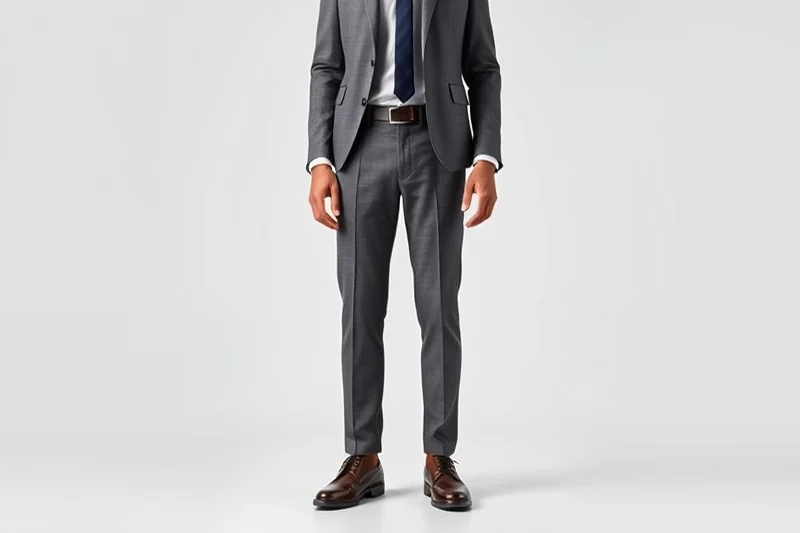
I used to go shoe shopping without socks, only to find that the shoes I thought would fit perfectly were actually too tight in places I hadn’t noticed. Once I started wearing socks during the fitting process, I saw a big difference. The socks helped absorb the pressure and made it easier to spot which areas were causing discomfort.
I’ve found that thick, wool socks work best for this. They add extra cushioning and allow me to feel the tight spots more clearly. I even use them when I’m wearing shoes at home for a few hours — they help prevent blisters and make the shoes more comfortable.
This is a small detail, but it can make a big difference. It’s a simple way to wear shoes without tools and still get the right fit.
A little sock can make a big difference in your shoe comfort.
Related: Diy wear shoes
Related: Wear shoes checklist
Related: Best walking shoes
Related: How Steve Madden Shoes
Related: How under armour shoes
The Art of Lacing: How to Adjust Shoelaces for a Better Fit
I used to tie my shoes the same way every time, and I didn’t realize that there were better ways to lace them for maximum comfort. I’ve since learned that certain lacing techniques can redistribute pressure and make tight shoes feel more relaxed.
One of my favorites is the 'ladder' method, where I cross the laces in a way that spreads the pressure across the top of my foot. It’s not as secure as the traditional lacing method, but it works wonders for shoes that are a little too tight.
Another trick I’ve used is to tie the laces loosely at first and then adjust them as I walk. This helps the shoes mold to my feet over time, making them more comfortable with each step.
This method spreads pressure across the foot, reducing tightness and increasing comfort without the need for stretching tools.
“I remember the first time I tried to wear a pair of shoes that were too tight — not just uncomfortable, but almost impossible.”— Shoereach editors
The Role of Footwear Type: Which Shoes Are Easier to Adjust
I’ve noticed that certain types of shoes are much easier to stretch or adjust without tools. For example, loafers and slip-ons tend to be more flexible than pointed-toe heels or stilettos. This makes them a better choice for people who are trying to wear shoes without tools but still want comfort.
Another thing I’ve learned is that shoes with more padding or memory foam insoles are more forgiving. These materials can help cushion the pressure and make tight shoes feel more comfortable.
If you’re looking for shoes that are easier to adjust, I recommend going for styles with rounded toes, soft soles, and elastic panels. These features can make a big difference with wearability without tools.[2]
The Importance of Break-In Time: How Patience Helps
I used to be impatient when it came to new shoes. I’d try to wear them for hours straight and end up with sore feet. But once I learned that giving shoes time to break in could make a huge difference, I started taking it slower.
I now give new shoes a few days of light use before wearing them for long periods. This allows the material to soften and the shoes to adjust to the shape of my feet. I’ve found that this makes a big difference in comfort over time.
It’s not a quick fix, but it’s a simple and effective one. The right amount of patience can make a pair of shoes feel like they were made for you, even without any tools.
⭐ Classic
The traditional approach to stretching shoes using heat and time.
💰 Budget
A low-cost version using household items to achieve the same results.
⚡ Extra-Fast
A quicker method for those who need immediate relief from tight shoes.
✨ Depth
A more detailed approach with step-by-step instructions for maximum comfort.
🥗 Light
A minimalist method that focuses on the essentials for everyday wear.
| The mistake | Why it happens | The fix |
|---|---|---|
| Overusing heat on synthetic shoes | Synthetic materials can melt or warp when exposed to high heat. | Use lower heat settings or avoid using heat on synthetic shoes altogether. |
| Stretching shoes too much | Over-stretching can cause shoes to lose their shape and become uncomfortable in the long run. | Stretch shoes gradually and avoid stretching beyond the point of comfort. |
| Ignoring the break-in period | Trying to wear shoes for long periods before they’ve had time to break in can cause blisters and discomfort. | Allow shoes to break in naturally over a few days before wearing them for extended use. |
| Using harsh chemicals on leather | Harsh chemicals can damage the leather and reduce its lifespan. | Use natural conditioning products like wax or leather oils instead of harsh chemicals. |
What You'll Need tap to check off
- 1 lb natural leather strips
- ½ cup wax for conditioning
- fabric for padding (to taste)
Method tap a step when done
- Soak the leather strips in warm water for 10 minutes to make them pliable.
- Rub the wax onto the leather to condition and protect it.
- Wrap the leather strips around the tightest parts of the shoe and secure with fabric padding.
- Let the shoes sit overnight to allow the leather to conform to the shape of the foot.
- Repeat the process if needed for additional stretch.
- Store the shoes in a shoe box to maintain shape and comfort.
Key Facts
Wear Shoes Without Tools
Common Questions
Can I stretch shoes made of synthetic materials without tools?
How often should I repeat the stretching process?
What should I do if my shoes still feel tight after trying these methods?
Can I use these methods on new shoes as well as old ones?
References
- PDF FLSA2008-4 - U.S. Department of Labor (dol.gov)
- eCFR : 29 CFR 1910.134 -- Respiratory protection. (ecfr.gov)
- CHAPTER S - SAFETY - U.S. Food and Drug Administration (fda.gov)
- Incorrectly fitted footwear, foot pain and foot disorders: a systematic ... (pmc.ncbi.nlm.nih.gov)
- Walking barefoot vs. with minimalist footwear - influence on gait in ... (link.springer.com)
Cite this guide
Shoereach (2026). Wear Shoes Without Tools. https://shoereach.com/wear-shoes-without-tools/
Feel free to cite or share this guide.