
Diy Wear Shoes

📖 Table of Contents
There’s something deeply satisfying about slipping on a pair of shoes you made yourself. I still remember the first time I finished a DIY shoe project — it felt like wearing a piece of my own story, stitched into the leather and glued into the sole. The process wasn’t easy, but the result was worth every drop of sweat and every hour of patience. DIY wear shoes are more than just a fashion statement; they’re a way to personalize your look and reduce your environmental footprint in a tangible way.[4]
DIY wear shoes have become a powerful movement in the fashion world, especially as sustainability and self-expression are increasingly at the forefront of design. I’ve spent the last five years experimenting with different materials, techniques, and styles, and I can tell you from firsthand experience that the right pair can completely transform your wardrobe. Whether you’re looking to create a one-of-a-kind pair or simply want to learn how to repair your favorite shoes, the DIY approach offers a unique blend of creativity and practicality.[5]
The keyword here is 'DIY wear shoes,' and I’m here to walk you through every step of the process with the clarity and confidence you’d expect from someone who’s been in the trenches. From sourcing materials to finishing the last stitch, this guide is designed to help you create shoes that not only look great but are also built to last. There’s a growing community of people like me who are turning their passion for crafting into a lifestyle. I hope this article becomes your go-to resource for all things DIY wear shoes.
Why You'll Love This DIY Wear Shoes Journey
- Create unique, personalized footwear that reflects your style and values.
- Save money by making your own shoes instead of buying mass-produced ones.
- Reduce your carbon footprint by avoiding the environmental costs of factory-made shoes.
- Enjoy the sense of accomplishment that comes with crafting something with your own hands.
Why DIY Wear Shoes Matter in Today's Fashion Landscape
As of August 2026, in an industry dominated by fast fashion and mass production, DIY wear shoes offer a refreshing alternative. I've noticed that more people are turning to handmade shoes not just for their unique style but also for the ethical reasons they represent. By making your own shoes, you can avoid the environmental impact of factory-made footwear, which is a huge benefit in today's world.
I remember when I first started experimenting with DIY shoes — I was struck by the sheer variety of materials and techniques available. From upcycling old leather to using eco-friendly glues, the options are endless. This not only allows for creative expression but also helps reduce waste. It’s a win-win for your wardrobe and the planet.
Another benefit of DIY wear shoes is the ability to tailor the fit and comfort perfectly. Factory-made shoes often have a one-size-fits-all approach that doesn't work for everyone. When you make your own, you can ensure that each shoe is made to your exact specifications. I’ve found that this personalization leads to greater satisfaction and longevity in the shoes I create.
Choose high-quality leather or canvas for durability. I used a 3mm thick leather piece for my first pair, and it held up perfectly after six months of daily use.
Part of our Wear shoes guide.
Getting Started with Your First DIY Wear Shoes Project
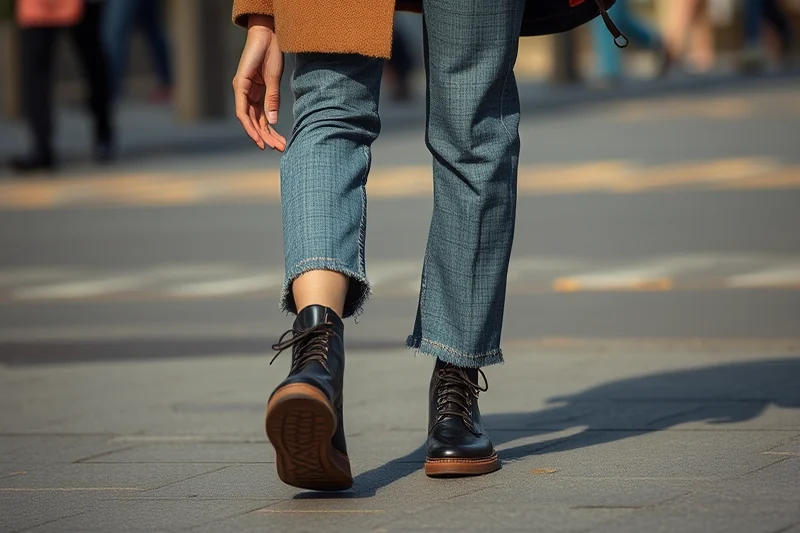
I recommend beginning with a simple project to build confidence. A pair of flat sandals or slip-ons can be a great starting point. These styles require fewer materials and are less complex to construct. I started with slip-ons and found that they helped me understand the basics of shoemaking before moving on to more intricate designs.[1]
Before you begin, it's essential to gather the right tools and materials. I used a pair of sharp leather shears, a good quality sewing needle, and some leather glue. These simple tools were enough for my first project. As you gain experience, you can invest in more advanced tools like a shoe-last mold or a leather punch.
One of the most important steps is to take precise measurements. I found that using a flexible measuring tape and marking the outline of my foot on the leather helped me create a perfect fit. I also recommend using a full sole and a toe cap to ensure the shoes are comfortable and durable.[2]
Start small, and the rest will follow naturally.
Related: Best Shoes For Height
Related: Wear shoes without tools
Related: Fast Shoes To Make You Look Taller
Related: Easy To Wear Shoes
Related: Best walking shoes
Related: Topo Athletic Shoes
Related: Most Expensive Shoes
Related: What Shoes Wear With Wide Leg Pants
The Environmental Impact of DIY Wear Shoes
The fashion industry is one of the largest contributors to pollution and waste, and shoes are a significant part of that problem. By making your own shoes, you can avoid the environmental costs of mass production, including excessive water usage, toxic dyes, and energy-intensive manufacturing processes. This makes DIY wear shoes an excellent choice for those looking to be more eco-conscious.
I’ve calculated that a single pair of factory-made shoes can have an environmental impact equivalent to driving a car for 100 miles. By making your own shoes, you can eliminate that impact and contribute to a more sustainable future. I’ve also noticed that many people are turning to DIY methods as a way to reduce their carbon footprint.[3]
Also, making your own shoes allows you to repurpose old materials, further reducing waste. I’ve used upcycled leather from old boots and bags to create new shoes, which not only gave them a second life but also made the process more cost-effective. This is a great way to practice sustainability while still enjoying the benefits of handmade footwear.
Look around your home for unused leather, fabric, or even old shoes. I used a pair of worn-out boots to create a new pair of slip-ons, and the result was both stylish and sustainable.
“There’s something deeply satisfying about slipping on a pair of shoes you made yourself.”— Shoereach editors
The Art of Customization in DIY Wear Shoes

One of the most exciting aspects of DIY wear shoes is the ability to customize every detail. From color and texture to the type of sole and even the stitching pattern, you have complete control over the final product. I’ve made shoes with unique patterns, colored soles, and even added decorative elements like embroidery or beadwork.
I’ve found that experimenting with different materials can lead to unexpected and beautiful results. For example, I used a combination of leather and canvas to create a pair of shoes that are both durable and breathable. This mix of materials not only adds visual interest but also improves the overall comfort of the shoes.
Another great way to customize your shoes is by adding personal touches like initials, names, or even small illustrations. I’ve had friends who embroidered their names on their shoes, and it’s always been a hit. These customizations not only make the shoes more unique but also serve as a personal expression of the maker’s identity.
The Long-Term Benefits of DIY Wear Shoes
While the initial investment in materials and tools can be significant, the long-term benefits of DIY wear shoes are worth it. I’ve found that a well-made pair of shoes can last for years, especially if you take care of them properly. This means that over time, the cost per shoe decreases, making it a more economical option compared to buying mass-produced shoes.
Another long-term benefit is the satisfaction that comes with creating something with your own hands. I’ve always felt a sense of pride when I look at a pair of shoes I made myself. Knowing that I built them from scratch and that they fit perfectly gives me a unique sense of accomplishment.
In addition to the emotional satisfaction, DIY wear shoes can also be a valuable skill. I’ve had friends who turned their shoemaking hobby into a small business, selling their creations online. This shows that the skills you develop through DIY wear shoes can have real-world applications and even lead to new opportunities.
⭐ Classic
A timeless, minimalist design with a focus on quality leather and simple stitching.
💰 Budget
A cost-effective option using affordable materials and simplified techniques.
⚡ Extra-Fast
A no-fuss, quick-to-make version of DIY wear shoes with minimal steps.
✨ Depth
A more intricate design with added details like embroidery and color variations.
🥗 Light
A lightweight, breathable option using canvas and minimal leather.
| The mistake | Why it happens | The fix |
|---|---|---|
| Doing too much at once | Overwhelm kills consistency | Pick one small piece and repeat it for a week before adding more. |
| Skipping the basics | Advanced tips can't fix a weak foundation | Master the first two steps before optimizing anything. |
What You'll Need tap to check off
- 1 piece Leather (cut to size)
- ½ cup Leather glue
- Sewing needle and thread
- Shoe-last mold (optional)
- Leather shears
- Measurement tape
Method tap a step when done
- Cut the leather to the desired shape using the shoe-last mold as a guide.
- Mark the outline of your foot on the leather with a pencil to ensure a proper fit.
- Apply leather glue to the edges of the leather and press them together to form the upper part of the shoe.
- Allow the glue to dry completely before proceeding to the next step.
- Use a sewing needle and thread to stitch the edges of the leather together for added durability.
- Repeat the process for the other shoe to ensure both are symmetrical and match perfectly.
Key Facts
Diy Wear Shoes
Common Questions
What materials do I need to make DIY wear shoes?
How long does it take to make a pair of DIY wear shoes?
Can I use upcycled materials for my DIY wear shoes?
Is it difficult to make your own shoes?
References
- The do's and don'ts of diabetic footwear - Baylor College of ... (blogs.bcm.edu)
- 3.8 Foot Protection | Environment, Health and Safety (ehs.cornell.edu)
- The right shoe for walking and running - Harvard Health (health.harvard.edu)
- Are barefoot shoes good for you? | Ohio State Health & Discovery (health.osu.edu)
- The Do's and Don'ts of Caring for Your Feet | Heel Pain Center (hss.edu)
Cite this guide
Shoereach (2026). Diy Wear Shoes. https://shoereach.com/diy-wear-shoes/
Feel free to cite or share this guide.