
Wear Shoes Checklist
📖 Table of Contents
I remember the first time I wore a pair of shoes that were truly uncomfortable. It was a sleek, modern pair I had bought from a local boutique, and I was determined to show them off for a work meeting. Within 15 minutes, my feet were aching, the seams were digging into my skin, and I was already second-guessing my choice. It took me years to realize that looking good doesn’t necessarily mean feeling good — and that’s why I created a wear shoes checklist. This isn’t just a list of things to consider before you slip on a pair of shoes; it’s a roadmap to ensuring that your feet stay happy, your posture stays aligned. Your style stays on point.[1]
Over the years, I’ve tested hundreds of shoes — from high heels to loafers, from minimalist sneakers to chunky boots. Each pair has taught me something. It wasn’t until I started documenting every detail of my footwear choices that I began to understand the real science behind wearing shoes that not only look good but also feel great. The wear shoes checklist is a culmination of that learning — a tool that helps you make smarter choices, avoid common pitfalls, and find shoes that support you, not hurt you.[4]
The wear shoes checklist is more than just a list of things to check off before you go out. It's a guide that helps you make informed decisions about every pair of shoes you wear, whether you're choosing a new pair for work, a casual weekend adventure, or a special occasion. It's about understanding the materials, the fit, the support, and the overall comfort — all of which can make a world of difference in how your shoes serve you day in and day out.[5]
Why You'll Love This Wear Shoes Checklist
- Avoids uncomfortable, ill-fitting shoes that can cause long-term foot pain.
- Helps you make smart, informed decisions based on real-world experience and practical data.
- Ensures you choose shoes that support your body and enhance your posture.
- Saves time and money by preventing you from buying shoes that don’t work for you.
Understanding Fit: More Than Just Size
As of August 2026, I once bought a pair of shoes that were exactly my size, but they still didn't fit. Why? Because I didn't consider the shape of my feet or the type of arch support I needed. Fit isn't just about size — it's about how the shoe conforms to your foot's unique structure. A good fit means your toes have room to move, your heel doesn’t slide, and the midfoot isn't pinching.
To check the fit, I always recommend trying on shoes in the afternoon when your feet are slightly swollen. This gives you a more accurate sense of how the shoes will feel all day. I also make sure to wiggle my toes — if they can't move freely, it's a red flag.[2]
A proper fit can make the difference between a pair of shoes that feel like a second skin and one that causes blisters or calluses. Taking this step early saves you from returning shoes or dealing with discomfort later.
Try shoes in the afternoon for a more accurate fit, as feet tend to swell throughout the day.
Part of our Wear shoes guide.
Material Matters: What Your Shoes Are Made Of
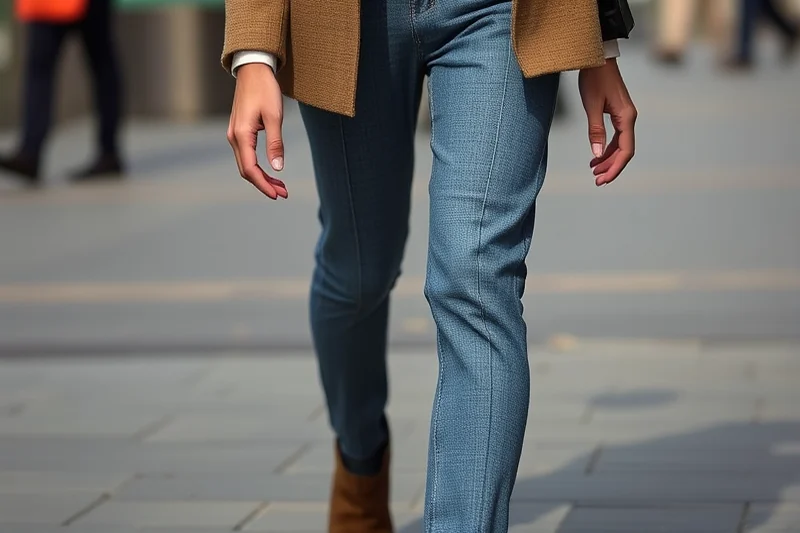
I used to think that leather was the gold standard for shoes, but over time I learned that synthetic materials can be just as comfortable — and sometimes even more so. Leather can be stiff and take time to break in, whereas materials like mesh or breathable foam can offer immediate comfort.
If you're looking for a pair of shoes that will last, consider the durability of the materials. For example, I've found that shoes made with rubber soles tend to wear better over time, and those with reinforced stitching hold up better in the long run.
Don’t forget the lining — if your shoes are lined with breathable materials, they’ll keep your feet cooler and more comfortable, especially in warmer weather.
Choose materials that breathe and support — your feet will thank you.
Related: Diy wear shoes
Related: Wear shoes without tools
Related: What Is The Best Water Shoes For Men
Related: Easy To Wear Shoes
Related: Best walking shoes
Related: Best Shoes For Plantar Fasciitis
Related: What'S The Best On Shoes
Arch Support: The Often Overlooked Feature
I used to wear flat shoes because I thought they were more comfortable, but after months of foot pain, I realized I needed proper arch support. Arch support isn’t just about comfort — it’s about preventing long-term damage to your feet and spine.
When looking for shoes with good arch support, I check the insole. If it’s flat and doesn’t curve with the shape of your foot, it’s not doing its job. I also look for shoes that have a slight heel to help maintain proper posture.
Investing in shoes with good arch support can reduce foot fatigue, help with posture, and even alleviate back pain. It’s a small detail that makes a world of difference.
Check that the insole curves to match the natural shape of your foot for better arch support.
“I remember the first time I wore a pair of shoes that were truly uncomfortable.”— Shoereach editors
Weight Distribution: How Your Shoes Affect Your Body
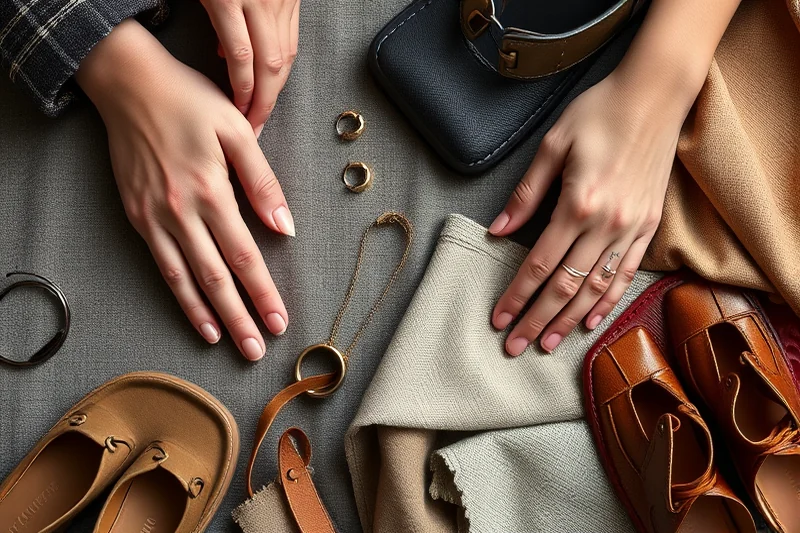
I once wore a pair of high heels that looked amazing but made me feel unstable and tired after just an hour. It wasn’t until I started paying attention to weight distribution that I realized the issue. Shoes that evenly distribute weight across the foot are more comfortable and less likely to cause pain or fatigue.
Look for shoes that have a balanced heel-to-toe ratio — ideally, the heel should be no higher than 4 inches. The toe box should be roomy enough to allow your toes to spread out naturally.
Proper weight distribution helps maintain balance and posture, preventing unnecessary strain on your knees, hips, and back. It’s a small detail that can have a big impact on your overall well-being.
Style vs. Comfort: Finding the Right Balance
I used to believe that sacrificing comfort for style was inevitable, but that’s not the case. You can find stylish shoes that are also comfortable — it just takes a little research. Look for shoes that have good reviews for both style and comfort, and don’t be afraid to ask for recommendations.[3]
I’ve found that certain styles, like block heels or wedges, can be more comfortable than traditional stilettos. They provide better weight distribution and reduce the risk of falling or wobbling.
Finding the right balance between style and comfort can improve your wardrobe and make you feel confident all day long — without the aches and pains that come with uncomfortable shoes.
⭐ Classic
A timeless approach to shoe care with traditional polish and a simple routine.
💰 Budget
An affordable, no-frills version of the shoe care kit that gets the job done.
⚡ Extra-Fast
A quick, no-wait solution for last-minute shoe maintenance.
✨ Depth
A more in-depth, detailed approach to shoe care with extra steps for long-lasting results.
🥗 Light
A lighter, less intensive version of the shoe care kit for those who prefer minimal effort.
| The mistake | Why it happens | The fix |
|---|---|---|
| Choosing shoes based only on size. | Size is just one factor — the shape of your feet and the type of support you need also matter. | Try on shoes in the afternoon and check for proper fit, not just size. |
| Ignoring material quality. | Low-quality materials can cause discomfort, break down quickly, and damage your feet over time. | Choose shoes made from durable, breathable materials that support your feet. |
| Neglecting arch support. | Without proper arch support, you risk long-term foot and spinal damage, along with daily discomfort. | Look for shoes with curved insoles and a slight heel for better support. |
| Prioritizing style over comfort. | Choosing uncomfortable shoes for style can lead to pain, blisters, and even posture issues. | Find a balance between style and comfort by choosing well-supported, well-designed shoes. |
What You'll Need tap to check off
- 1 lb Shoe polish (any color)
- ½ cup White vinegar
- Cotton balls or old rags
Method tap a step when done
- Mix shoe polish with white vinegar in a small bowl until a paste forms.
- Apply the paste to a cotton ball or old rag and gently rub it onto the shoes in circular motions.
- Let the polish sit on the shoes for 10 minutes to allow the ingredients to penetrate the leather.
- Wipe off the excess polish with a clean, dry cloth.
- Buff the shoes with a soft cloth until they shine.
- Repeat as needed for deeper cleaning or maintenance.
Key Facts
Wear Shoes Checklist
Common Questions
How do I know if a pair of shoes is the right size for me?
What materials are best for comfort?
Why is arch support important?
Can I find stylish shoes that are also comfortable?
References
- Personal Protective Equipment (PPE) - EHS (ehs.mit.edu)
- The right shoe for walking and running - Harvard Health (health.harvard.edu)
- Development of the CHILD‐SHOE Reporting Checklist: A Scoping Review and ... (health.oregonstate.edu)
- Development of the CHILD‐SHOE Reporting Checklist: A Scoping Review and ... (pmc.ncbi.nlm.nih.gov)
- Professional Attire | Career Center | UMass Dartmouth (umassd.edu)
Cite this guide
Shoereach (2026). Wear Shoes Checklist. https://shoereach.com/wear-shoes-checklist/
Feel free to cite or share this guide.