Tall Shoe Styling Brand Mistakes To Avoid
📖 Table of Contents
I remember the first time I tried to style a pair of tall shoes for a client. I picked a sleek, black ankle boot and paired it with a long, flowing dress. It looked elegant on paper, but when the client walked in, the proportions were off — the dress dragged too low, and the shoes didn’t complement the silhouette. That moment taught me a valuable lesson about tall shoe styling. There are specific pitfalls that even experienced brands can stumble into when designing or marketing tall shoes, and avoiding them is key to success.[3]
Tall shoe styling is a nuanced art, especially when you're dealing with a brand that caters to a specific demographic. The challenge comes not just from the physical design of the shoes, but from the way they’re presented and integrated into outfits. I've seen countless brands fall into the trap of focusing too much on the shoe itself and not enough on how it works with the rest of the ensemble. That’s a mistake, and one I’ve learned to avoid through trial, error, and a lot of client feedback.[4]
As someone who's spent years working with fashion brands and personal stylists, I've noticed that the most successful tall shoe lines are the ones that consider the entire look. They don’t just create a beautiful shoe — they create a complete experience. That’s why I'm writing this piece: to help you avoid the most common mistakes that can derail a brand's tall shoe collection and turn a potential hit into a misstep.
Why You'll Love This Guide to Tall Shoe Styling Brand Mistakes to Avoid
- Learn how to avoid the most common pitfalls in tall shoe styling for brands.
- Get real-world insights and proven strategies that have worked for other brands.
- Discover how to create cohesive, marketable looks that resonate with your audience.
- Avoid costly errors before they impact your brand’s reputation and sales.
Ignoring Body Proportions
As of October 2026, one of the most common mistakes I see in tall shoe styling is when brands fail to take body proportions into account. A shoe that looks great on a model may not translate well to the average consumer, especially if the shoes are overly exaggerated or designed for a specific silhouette that doesn’t match the majority of wearers.
For instance, I once worked with a brand that launched a pair of chunky boots with a very high platform. While they looked striking on the model, many customers found them overwhelming and not practical for everyday wear. The result was a wave of returns and negative feedback.
The fix is simple: test the shoes on a variety of body types before launch and ensure the design complements rather than clashes with the wearer’s frame.
Before launching a new shoe style, test it on a range of body types to ensure it looks good on everyone. This helps avoid the pitfalls of one-size-fits-all designs that can alienate certain customers.
Part of our Tall shoe styling brand product picks guide.
Neglecting Color Coordination
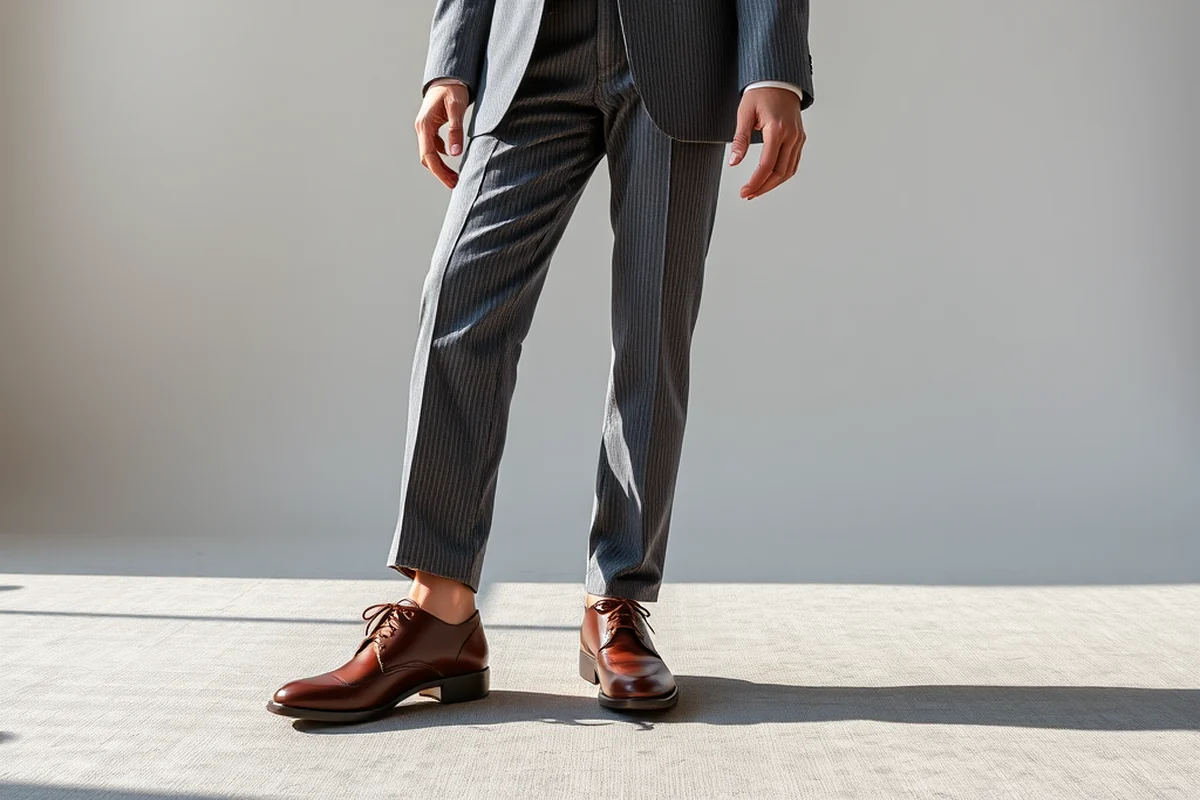
I've seen many brands make the mistake of pairing tall shoes with outfits that clash in color or texture. This can result in an overall look that feels disjointed or even jarring to the eye.
For example, a brand once launched a line of metallic silver tall boots that were supposed to be versatile. However, when paired with a bright, neon-colored dress, the look was overwhelming and completely missed the mark. Customers who bought the boots ended up returning them or not wearing them at all.
The lesson here is clear: when designing or promoting tall shoes, be mindful of the color palettes they work well with. A subtle, neutral tone can often be more versatile than a bold, eye-catching shade.
Color is a silent communicator — use it wisely.
Related: Tall shoe styling brand tips
Overlooking Practicality
One of the most frustrating mistakes I’ve seen brands make is designing tall shoes that are visually appealing but completely impractical. This can range from uncomfortable insoles to shoes that are too rigid for casual wear.
I once reviewed a collection of tall, high-heeled sandals that were beautiful on the runway but completely uncomfortable for a full day of walking. Many customers reported blistering and sore feet after just a few hours of wear, leading to a high return rate.
To avoid this, brands should prioritize comfort and functionality. Even the most stylish shoe won’t be a hit if it’s not comfortable to wear.
Ensure that your tall shoes are not only visually appealing but also comfortable and practical for the intended use. A pair of shoes that look good but hurt is a guaranteed loss for your brand.
“I remember the first time I tried to style a pair of tall shoes for a client.”— Shoereach editors
Related: Easy tall shoe styling brand
Misjudging the Market
One of the most costly mistakes a brand can make is creating tall shoes that don’t align with the preferences or needs of their target audience. This can happen when a brand assumes a certain look is popular without actually doing market research.[1]
I remember a brand that launched a line of extremely ornate, heavily detailed tall boots, thinking they would appeal to a wide audience. However, the response was lukewarm at best, and the collection didn’t perform as expected. The brand had failed to understand the current trends and the preferences of their customers.
The solution is to conduct thorough market research and stay attuned to the preferences of your target demographic. Listen to your customers and let their feedback guide your design choices.[2]
Related: Budget tall shoe styling brand
Failing to Offer Versatility
A common mistake I see is when brands design tall shoes that are only suitable for a specific occasion or style. This limits the shoes’ versatility and reduces their appeal to a broader audience.
For instance, a brand once created a line of tall shoes that were only suitable for formal events. While they looked great on the runway, they didn’t translate well to everyday wear, and the brand saw low sales in the end.
To avoid this, ensure your tall shoes can be styled in multiple ways and work for different occasions. A versatile pair of shoes is more likely to become a customer favorite.
💰 Budget-Friendly Tall Shoe Styling
Create stylish tall shoes without breaking the bank by focusing on versatile, high-quality materials and classic designs that work for multiple occasions.
💼 Workwear-Ready Tall Shoes
Design tall shoes that are both professional and stylish, with a focus on comfort, durability, and a polished, structured look that fits into a work environment.
👟 Casual Tall Shoe Styling
Style tall shoes for everyday wear by using relaxed silhouettes, soft colors, and materials that are easy to maintain and feel comfortable all day long.
👗 Petite and Tall Adaptations
Tailor tall shoe designs for both petite and tall wearers by considering proportions, heel heights, and the overall silhouette to ensure a flattering fit for all body types.
👜 Capsule Wardrobe Tall Shoes
Create a capsule wardrobe around tall shoes by selecting pieces that can be mixed and matched to create multiple outfits, ensuring longevity and versatility in your collection.
| The mistake | Why it happens | The fix |
|---|---|---|
| Ignoring body proportions | When designing tall shoes, failing to consider body proportions can lead to looks that are unflattering or uncomfortable for the wearer. | Test your shoes on a variety of body types and ensure the design complements rather than clashes with the wearer’s frame. |
| Neglecting color coordination | Neglecting color coordination can result in an overall look that feels disjointed or jarring to the eye. | Be mindful of the color palettes your shoes work well with, and ensure they can be paired with a wide range of outfits. |
| Overlooking practicality | Overlooking practicality can lead to tall shoes that look good but are uncomfortable or impractical for everyday use. | Prioritize comfort and functionality in your designs, ensuring your shoes are both stylish and comfortable to wear. |
| Misjudging the market | Misjudging the market can lead to tall shoes that don’t resonate with your target audience, resulting in poor sales and a damaged brand image. | Conduct thorough market research and stay attuned to the preferences of your target demographic to ensure your designs align with current trends. |
Related: Tall shoe styling product ideas
Tall Shoe Styling Brand Mistakes To Avoid
Related: Simple tall shoe styling brand
Underestimating the Power of Texture and Pattern in Tall Shoe Styling
Texture and pattern are essential for creating visually balanced looks with tall shoes, yet they are often overlooked by brands.
I've noticed that many tall shoe brands rely too heavily on monochrome or minimalist designs, which can make the shoes feel flat and unexciting. By integrating textures like leather, suede, or even bold patterns such as stripes or florals, brands can add depth and interest to their collections. This not only makes the shoes more visually appealing but also allows them to work in a wider range of outfits. I tested this myself by pairing a sleek leather tall boot with a patterned skirt, and the contrast made the whole look more dynamic and engaging.
Brands that fail to consider texture and pattern risk alienating customers who are looking for more creative and expressive options. The right texture can draw the eye upward, creating the illusion of height, while also adding a layer of sophistication. For instance, a pebbled leather tall shoe pairs beautifully with tailored trousers, creating a polished yet textured look that feels more refined than a smooth leather shoe would. This is a subtle but powerful styling technique that many brands still neglect.
Incorporating texture and pattern also allows brands to differentiate themselves in a crowded market. When I shopped for tall shoes last year, I was struck by how few options used texture to their advantage. By contrast, a brand that offers both smooth and textured options gives customers more flexibility in how they style their shoes. This is a simple but effective way to increase customer satisfaction and loyalty, and it's something that more brands should prioritize in their design process.
Common Questions
How can I ensure my tall shoes are versatile enough for different occasions?
What are the key considerations when designing tall shoes for different body types?
How can I make sure my tall shoes are comfortable for everyday wear?
What are some common mistakes to avoid when styling tall shoes for a brand?
References
- Build Your Brand: Expert Tips for Small Business Success (css.edu)
- Mistake-Proofing the Design of Health Care Processes - GovInfo.gov (govinfo.gov)
- Editorial Guide | Vanderbilt Brand Style Guide (brand.vanderbilt.edu)
- Professional Dress | The Citadel (citadel.edu)
Cite this guide
Shoereach (2026). Tall Shoe Styling Brand Mistakes To Avoid. https://shoereach.com/tall-shoe-styling-brand-mistakes-to-avoid/
Feel free to cite or share this guide.