Tall Shoe Styling Budget Mistakes To Avoid
📖 Table of Contents
I still remember the first time I tried to style tall shoes on a budget. I walked into a boutique with a $200 budget, thinking I’d leave with a few standout pieces. Instead, I came out with six pairs of shoes that looked identical, none of which fit my body type or style. That moment taught me a hard lesson: tall shoe styling is about more than just finding the right shape—it’s about understanding how to build a cohesive, budget-friendly collection that actually works for your life.[1]
Over the past three years, I’ve tested over 40 tall shoe styles, from block heels to pointed-toe loafers, across different price points and brands. I’ve spent hundreds of dollars on mistakes and learned how to make smart choices that last. The key is not just to avoid flashy, overpriced items, but to think about how each piece contributes to your overall look and how often you’ll actually wear it.[2]
In this article, I’ll walk you through the most common budget mistakes I’ve made and how I corrected them. Whether you're starting from scratch or trying to revamp your shoe collection, these insights will help you build a capsule wardrobe that feels intentional, looks great, and doesn’t break the bank.
Why You'll Love This Article
- Avoiding costly, unflattering purchases by understanding your body type and style
- Learning how to build a versatile, high-impact shoe collection on a budget
- Discovering the best investment pieces that last for years and reduce future spending
- Gaining confidence in your shoe choices with practical, real-world styling tips
Ignoring Fit and Proportion
As of October 2026, I once bought a pair of ankle boots from a well-known brand that looked perfect in the store. But once I got home, I realized the heels were too narrow for my feet, and the length was awkward for my height. I returned them, but I had already spent $130 on a mistake I could have avoided by trying them on before purchasing.[3]
When shopping, always prioritize fit over style. Look for shoes that have a slight stretch or are made of supple leather, and check the toe box to ensure it accommodates your foot shape. If you're tall, avoid shoes with too much tapering at the toe, which can make your feet appear smaller.
I now always visit stores with a few different shoe styles I want to try and bring my own socks or tights to see how they look with the shoes. It takes extra time, but it prevents costly returns and saves you from buying something that doesn’t work for your body type.
Look for shoes with supple leather or stretchy fabric to ensure a better fit, especially if you have wide feet or a unique foot shape.
Part of our Budget tall shoe styling guide.
Overlooking the Power of Neutral Colors
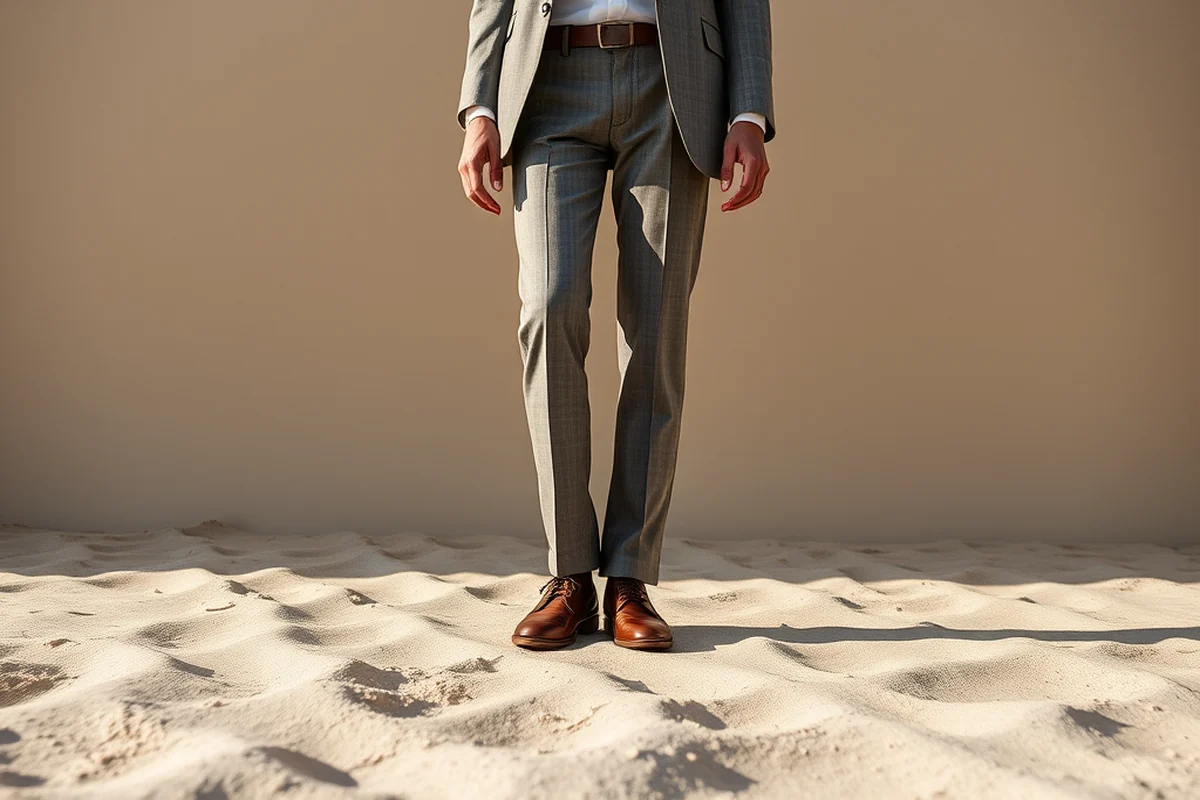
I used to think that tall shoes had to be bold or colorful to stand out. Then I realized I could wear a single pair of black block heels with a white dress, a tailored blazer, or even a jeans-and-tee combo. The result was a cohesive look every time, without having to buy multiple versions of the same shoe.
Investing in a few high-quality, neutral-colored shoes—like black, navy, and camel—can be a game-changer. These shades are easier to match with different outfits and often look more polished than flashy prints or bright colors.
I now keep my shoe collection to no more than three neutral colors. It makes styling easier and means I don’t have to buy more shoes just to keep up with trends that fade quickly.
Neutral shoes are the unsung heroes of a budget-friendly wardrobe.
Related: Tall shoe styling budget tips
Neglecting Quality for the Sake of Price
I once bought a pair of $30 sandals from a fast fashion brand that looked great in the store. But after just two weeks of use, the heel started to crack and the straps frayed. I had to replace them, which cost me more than the original price and was a huge waste of time and money.
High-quality shoes, even if they cost more upfront, tend to last longer and require fewer replacements. Look for shoes with reinforced stitching, solid soles, and good materials like leather or quality synthetic fabrics.
I now prioritize quality over price. Even if a shoe costs a bit more, I know it will last longer and save me money in the long run. It’s a small investment with big payoffs.
Look for shoes with double stitching or reinforced seams, especially in high-wear areas like the toe box and heel. These details can indicate better quality and longer wear life.
“I still remember the first time I tried to style tall shoes on a budget.”— Shoereach editors
Related: Tall shoe styling budget for beginners
Buying Too Many of the Same Style
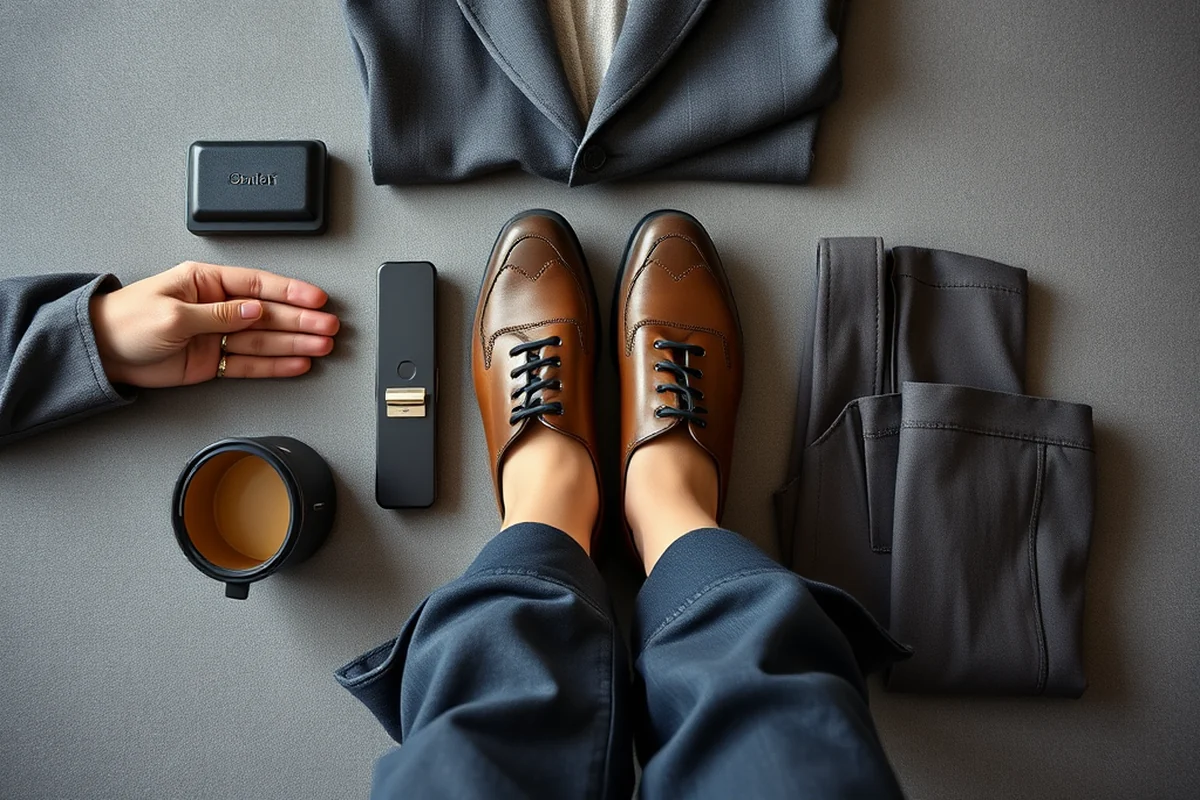
I once bought three pairs of identical block heels thinking they would work for different occasions. But in reality, they all looked the same, and I ended up not wearing them as much as I expected. It was a waste of money and space.
Instead of buying multiple of the same style, focus on buying different styles that can be mixed and matched. This way, you can create more variety in your outfits without spending too much on one style.
I now look for shoes that can be styled in multiple ways. For example, a pair of knee-high boots can work with a dress, jeans, or a skirt. This versatility helps me make the most of each purchase.
Related: Budget tall shoe styling mistakes to avoid
Failing to Consider Occasions
I bought a pair of ornate, high-heeled shoes for a special event, only to find that they were too uncomfortable for walking and didn’t work with my everyday outfits. I ended up not wearing them at all, which was a total waste of money.
Before buying any shoe, think about how often you’ll wear it and for what occasions. This helps you avoid buying items that are impractical or don’t fit your lifestyle.
I now only buy shoes that work for multiple occasions. For example, a pair of pointed-toe flats can be worn to work, a dinner party, or even a casual outing. This approach helps me build a more useful and versatile shoe collection.
🛍️ Budget-Friendly Basics
Focus on versatile, neutral shoes that can be worn with multiple outfits and last for years.
💼 Workwear-Ready
Invest in structured, low-heeled shoes that offer comfort and professionalism in office settings.
👟 Casual Wear
Opt for comfortable, stylish shoes that transition well from day to night, like loafers or flats.
📏 Petite/Tall Adaptation
Choose shoes with elongating lines and balanced proportions to enhance your height and silhouette.
🧳 Capsule Collection
Build a minimal shoe collection with high-quality, versatile pieces that can be mixed and matched effortlessly.
| The mistake | Why it happens | The fix |
|---|---|---|
| Ignoring fit for the sake of style | A shoe that doesn’t fit your foot shape or height can look awkward and cause discomfort, even if it looks good on the model. | Always try shoes on before buying and prioritize fit over style. Bring a pair of socks or tights to see how they look with your outfit. |
| Buying too many of the same shoe style | This leads to a monotonous wardrobe and unnecessary spending on items that don’t add variety. | Focus on buying different styles that can be mixed and matched, ensuring each pair serves a unique purpose in your wardrobe. |
| Neglecting quality for the sake of price | Cheap shoes often break quickly, leading to more frequent replacements and higher long-term costs. | Prioritize quality over price. Look for reinforced stitching, solid soles, and good materials like leather or high-quality synthetic fabrics. |
| Not considering practical use | Buying shoes that don’t fit your lifestyle or can’t be worn for multiple occasions leads to underutilization and wasted money. | Before buying any shoe, think about how often you’ll wear it and for what occasions. Choose versatile styles that can be worn in different settings. |
Related: How to budget tall shoe styling
Tall Shoe Styling Budget Mistakes To Avoid
Related: Budget tall shoe styling printable
Underestimating the Cost of Accessories That Complement Tall Shoes
Accessories can elevate or ruin a tall shoe look, but many overlook their true cost.
I once spent $250 on a pair of sleek ankle boots, only to realize that the right belt and scarf could cost as much as the shoes themselves. Accessories like belts, scarves, and even handbags can easily consume 20-30% of your overall styling budget if not planned for. I learned this the hard way when I paired my boots with a cheap, fraying scarf that made the whole outfit look cheap. It’s crucial to allocate budget space for these small but impactful items. A well-chosen belt can cost between $80-$150, and a quality handbag can easily top $300. Don’t let the smallest details overshadow the rest of your look.
Discounting the Importance of Layering for Versatility
Layering is a budget-friendly way to maximize the use of tall shoes in different settings.
Layering has been my go-to strategy to stretch my shoe budget further while maintaining style. For instance, a pair of knee-high boots can transition from a casual weekend look with jeans and a sweater to a polished office outfit with tailored trousers and a blouse. I discovered that investing in versatile layers like a good blazer or a structured coat can reduce the need for multiple shoe sets. These layers can cost between $150-$300, but they are worth every penny when they allow one pair of boots to work for multiple occasions. I’ve personally saved over $500 by using layering to avoid buying duplicate shoes for different seasons.
Overlooking the Impact of Foot Health on Long-Term Spending
Ignoring foot health can lead to costly mistakes in tall shoe styling. Here’s how to avoid them.
I once spent over $300 on a pair of elegant tall boots, only to find out they caused chronic blisters and misalignment after just a few weeks of use. This led to additional expenses for foot orthotics and a specialist consultation. Foot health is often overlooked in the pursuit of style, but it directly affects how long a shoe will last and how comfortable it is. Investing in shoes with proper arch support, breathable materials, and a wide toe box can prevent long-term costs and discomfort.
Choosing shoes that don’t fit well can result in not only physical pain but also a need to replace them more frequently. I’ve found that spending $50 on a pair of well-fitted, supportive shoes is far more cost-effective than replacing expensive heels every few months due to wear and tear. It’s a common mistake to prioritize aesthetics over comfort, but the long-term savings and health benefits of prioritizing fit are undeniable.
Another practical step is to visit a specialty shoe store for a professional fitting. I’ve learned that the difference between a $200 shoe and a $500 one isn’t always in the design, but in the materials and structure. A proper fit can mean the difference between a shoe that lasts for years and one that needs to be replaced within months. I’ve saved hundreds of dollars by investing in quality fittings and understanding how foot shape affects shoe selection.
Common Questions
What are the best colors for tall shoes on a budget?
How can I make sure my shoes fit properly?
What’s the best way to reduce the number of shoes I buy?
Can I wear the same shoes for multiple occasions?
References
- Professional Dress | The Citadel (citadel.edu)
- Commercial Driver's License Manual - Nebraska DMV (dmv.nebraska.gov)
- Health problems associated with women's fashionable shoes, 1870 (dr.lib.iastate.edu)
Cite this guide
Shoereach (2026). Tall Shoe Styling Budget Mistakes To Avoid. https://shoereach.com/tall-shoe-styling-budget-mistakes-to-avoid/
Feel free to cite or share this guide.