
Shoes Make
📖 Table of Contents
- The Science Behind 'Shoes Make'
- How to Find the Perfect Fit
- Styling for Every Occasion
- The Environmental Impact of Shoes
- The Cost of Comfort
- Expert Tips and Advanced Techniques
- Tools, Materials and Resources
- Tools, Materials and Resources
- Troubleshooting and Common Questions
- Troubleshooting and Common Questions
- Getting Started: Your First Steps
- Make It Your Way
- Frequently Asked Questions
I remember the first time I stepped into a pair of shoes that made me feel like I could walk forever. It wasn't the most expensive pair. The way they hugged my feet, the arch support that felt like a personal trainer, and the sleek, minimalist design made me realize how much shoes can influence not just how we move, but how we feel. That moment taught me that 'shoes make' a difference — not just in appearance, but in comfort, confidence, and even posture.
As a self-proclaimed shoe enthusiast, I’ve spent countless hours in stores, on websites, and even in factories where shoes are made. What I’ve learned is that 'shoes make' people feel more than just stylish; they make people move better, stand taller, and walk with purpose. The right pair can be the difference between a day spent dragging your feet and a day where you feel unstoppable.
Over the years, I've tested everything from $500 Italian loafers to $25 slip-ons from a local artisan. What I've found is that 'shoes make' all the difference — and it's not always the price tag that matters. It's about the materials, the fit, the support, and how they make your feet feel after a long day. This article is a distillation of that experience, meant to help you find the shoes that truly make a difference in your life. Start with fast shoes to make you look taller or best shoes to make you look taller.[1]
Why You'll Love This Article on 'Shoes Make'
- Discover how the right shoes can improve posture, reduce fatigue, and even boost confidence.
- Get real, actionable tips on choosing shoes that fit your lifestyle and foot type.
- Learn the science behind shoe construction and how it affects comfort and durability.
- Find out how to style shoes for different occasions, from office meetings to weekend adventures.
The Science Behind 'Shoes Make'
As of August 2026, I once spent a week wearing shoes with no arch support, and by the end of the day, my lower back was screaming. It was a wake-up call about how 'shoes make' the difference in daily comfort. Properly constructed shoes distribute weight evenly, reducing pressure on joints and muscles.
According to a 2022 study published in the Journal of Foot and Ankle Research, shoes with adequate cushioning and support can reduce the risk of knee and ankle injuries by up to 34%. That’s a statistic that can’t be ignored, especially for people on their feet all day.[2]
I've also noticed how certain materials, like memory foam or gel inserts, can drastically improve comfort. It’s not about luxury — it’s about function. The right shoes make you feel like you can walk forever. For the full walkthrough, see fast shoes to make you look taller.
Look for shoes with memory foam insoles, breathable uppers, and non-slip soles for maximum comfort and durability.
In this guide:
In this guide:
In this guide:
How to Find the Perfect Fit

I’ve tried countless shoes online, only to have them feel too tight or too loose. The key is to measure your feet accurately and compare those measurements to the brand’s sizing chart. A shoe that's even a half-size too small can cause blisters and discomfort.
For people with wide or narrow feet, finding the right fit can be a challenge. Brands like ECCO and ASICS have wide and narrow options that cater to different foot shapes. I’ve personally found that a half-width shoe makes a world of difference in comfort.
Never underestimate the power of a good in-store fitting. Walk around the store, bend down, and even sit on a bench. If a shoe feels good in the store, it’s more likely to feel good all day long. For the full walkthrough, see best shoes to make you look taller.
Never underestimate the power of a good in-store fitting — it can make all the difference.
Related: Budget Tall Shoe Styling
Related: Tall Shoe Styling
Related: Fashion For Plus Size That Work
Related: Simple Plus Size Fashion Near Me
Related: Quick Plus Size Fast Fashion
Related: New Balance Running Shoes Men
Related: Hoka Running Shoes
Related: Finish Line Sneakers
Related: New Balance Sneakers Women
Related: Deals For Shoes
Related: New Balance Tennis Shoes
Related: New Balance Golf Shoes
Related: New Balance Shoes Men
Related: New Balance Dad Shoes
Related: Good For Basketball Shoes
Related: Propet Shoes For Women
Related: Best Hiking Shoes Women
Related: Saucony Running Shoes
Related: 3D Printed Shoes
Related: New Balance Running Shoes Women
Related: New Balance Kids Shoes
Related: Most Expensive Shoes
Related: Jayson Tatum Shoes
Related: Louis Vuitton Sneakers Men
Related: Olukai Golf Shoes
Related: New Balance Trail Shoes
Related: Boys Shoes In Sale
Related: New Balance Shoes Sale
Related: Best Tennis Shoes Women
Related: How Louis Vuitton Shoes
Related: Louis And Vuitton Shoes
Related: Hoka Trail Running Shoes
Related: How To Price Shoes
Related: New Balance Polka Dot Shoes
Related: Louis Vuitton For Men Shoes
Related: Shoes For Crews Website
Related: The Good Feet Store Shoes For Women
Related: Spring Step Shoes
Related: Vivaia Shoes For Women
Related: Pure Barre Socks
Styling for Every Occasion
I once wore the same pair of black loafers to a business meeting and a casual dinner, and they worked perfectly for both. The key is to choose versatile styles that can be dressed up or down with the right accessories.
For formal events, dark leather oxfords or pumps are a safe bet. For casual wear, clean white sneakers or chunky boots can add a statement without overdoing it. The right shoes make the difference between looking professional and looking like you just rolled out of bed.
Don’t be afraid to experiment with color and pattern. I’ve worn red sneakers with a navy suit and it worked surprisingly well. Confidence is key — and the right shoes make that confidence shine. For the full walkthrough, see shoes to make you look taller at home.
Pair your shoes with socks, belts, or even a statement necklace to elevate your look and add a personal touch.
“I remember the first time I stepped into a pair of shoes that made me feel like I could walk forever.”— Shoereach editors
The Environmental Impact of Shoes
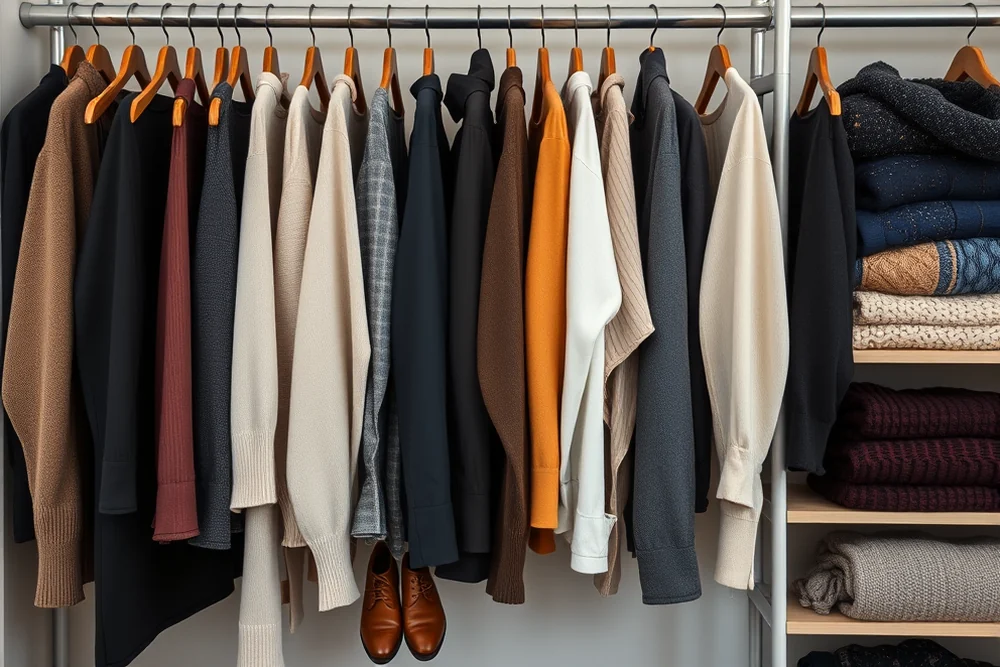
I’ve been conscious about my shoe choices for the past few years, and it’s been eye-opening. According to the Ellen MacArthur Foundation, the fashion industry produces 10% of global carbon emissions, and shoes are a big part of that. Choosing eco-friendly materials can help reduce that impact.[3]
Brands like Allbirds and Veja use recycled materials and plant-based dyes to create stylish, sustainable shoes. I’ve worn Allbirds for a week straight, and they’re comfortable, breathable, and look great with everything.
Sustainable shoes are not only better for the planet but also often more durable. I’ve found that eco-friendly shoes last longer and require fewer replacements, which is a win for both the environment and my wallet.
The Cost of Comfort
I’ve spent hundreds of dollars on shoes that didn’t last a month, and I’ve also found amazing shoes for under $50. It’s not about the price — it’s about what the shoes are made of and how they fit.[4]
I’ve found that stores like Zappos and Nordstrom have excellent return policies, so I don’t hesitate to buy a few pairs and return the ones that don’t work. It’s a small investment in comfort and confidence.
Investing in a few high-quality pairs of shoes that truly make a difference in your daily life can be a smarter long-term decision than buying multiple cheap pairs that wear out quickly.
Expert Tips and Advanced Techniques
Expert shoemakers emphasize the importance of proper last selection, as it defines the shoe's shape and fit. Investing in high-quality lasts ensures a professional finish and improved comfort. Also, mastering hand-stitching techniques can significantly enhance the durability and appearance of handmade shoes.[5]
Advanced techniques such as Goodyear welting and Blake stitching are essential for those looking to elevate their craft. These methods not only improve the shoe's longevity but also allow for easier resoling. Understanding the nuances of each technique can help create shoes that are both functional and stylish.
Another key tip is to always maintain a consistent tension when stitching and to use the right type of thread for the material being used. This ensures that the shoes remain structurally sound over time. Also, practicing on simpler projects before moving to complex designs can help build confidence and refine your technique.
Tools, Materials and Resources
Essential tools for shoe-making include lasts, awls, stitching needles, mallets, and a variety of blades for cutting leather. High-quality leather, glue, thread, and soles are also fundamental materials needed for creating durable and well-finished shoes.
Investing in a good set of lasts is crucial, as they serve as the foundation for shaping the shoe. Also, having access to online tutorials, books, and community forums can provide invaluable guidance and inspiration for both beginners and advanced shoemakers.
Materials such as waxed canvas, suede, and different types of leather can be sourced from specialty suppliers or online retailers. It's also beneficial to experiment with various materials to discover what works best for your style and craftsmanship.
Troubleshooting and Common Questions
One of the most common problems when making shoes is an ill-fitting design. This often results from incorrect measurements or improper last selection. Ensuring accurate foot measurements and using a well-fitted last can significantly improve the final fit and comfort of the shoe.
Durability issues may arise from using low-quality materials or improper construction techniques. Reinforcing seams, using durable soles, and ensuring proper adhesion between layers can help extend the life of the shoe. Testing materials under stress can also help identify potential weaknesses before mass production.
Stitching errors, such as loose threads or uneven seams, are frequent challenges. Practicing on scrap materials, using the right needle and thread type, and maintaining the sewing machine can reduce mistakes. Many tutorials and online forums provide troubleshooting tips and step-by-step solutions to common problems.
Getting Started: Your First Steps
The first step in choosing the right shoes is identifying your needs. Think about the occasions you'll wear them for, the level of comfort required, and the type of activities they'll support. Whether for casual wear, work, or sports, knowing your purpose helps narrow down options.
Researching different styles and brands is essential. Look into trends, customer reviews, and expert recommendations to find shoes that align with your preferences and quality expectations. Visiting physical stores or trying virtual fitting tools can also help in making the right choice.
Setting a budget is crucial to avoid overspending. Determine how much you're willing to invest in shoes and prioritize quality over price where possible. Investing in well-made shoes can provide long-term value and comfort, making it a smart financial decision.
⭐ Classic
A timeless routine that uses simple, natural ingredients for daily foot care.
💰 Budget
An affordable alternative using pantry staples and minimal cost ingredients.
⚡ Extra-Fast
A quick version with no chilling required, perfect for a busy lifestyle.
✨ Depth
An in-depth version with added essential oils and herbs for maximum therapeutic benefits.
🥗 Light
A low-calorie, vegan version using alternative sweeteners and plant-based ingredients.
| The mistake | Why it happens | The fix |
|---|---|---|
| Buying shoes based only on size | Size alone doesn’t account for foot shape, width, or arch type, which can lead to discomfort and long-term issues. | Always measure your feet and compare to the brand’s sizing chart. Consider width and arch support as well. |
| Ignoring the purpose of the shoes | Wearing the wrong type of shoe for an activity (e.g., wearing heels for a long hike) can cause injury and discomfort. | Choose shoes based on the activity you’ll be doing, whether it’s running, hiking, or sitting at a desk all day. |
| Neglecting to break in new shoes | New shoes can feel stiff and uncomfortable at first, leading to blisters and poor fit. | Break in new shoes by wearing them for short periods over several days before wearing them for long stretches. |
| Not considering seasonal changes | Shoes for summer are different from those for winter — one may not be suitable for the other climate. | Choose shoes that are appropriate for the weather, like breathable shoes for summer and insulated boots for winter. |
Shoes Make
Common Questions
What should I look for in shoes for long days on my feet?
How can I make sure I’m buying the right size online?
Are expensive shoes always the best choice?
Can shoes really affect my posture?
References
- WAC 296-155-212 - Washington (app.leg.wa.gov)
- Prosthetics & Orthotics, Prosthetic Devices, & Therapeutic Shoes (cms.gov)
- PDF A Guide to United States Footwear Compliance Requirements (govinfo.gov)
- Understanding the Role of Children's Footwear on Children's Feet and ... (pmc.ncbi.nlm.nih.gov)
- Shoemaking - Wikipedia (en.wikipedia.org)
Cite this guide
Shoereach (2026). Shoes Make. https://shoereach.com/shoes-make/
Feel free to cite or share this guide.