How To Measure Shoe Size
📖 Table of Contents
- Why Knowing Your Shoe Size Matters
- The Best Way to Measure Your Feet at Home
- The Science Behind Shoe Sizing
- How to Use Your Measurements to Find the Right Size
- Tips for Online Shopping and In-Store Shopping
- The Importance of Foot Shape and Arch Height
- How to Measure Your Feet for Different Types of Shoes
- Make It Your Way
- Frequently Asked Questions
I still remember the first time I walked into a shoe store with my feet on fire from the wrong size. I had no idea how to measure shoe size — I was just told to 'trust the salesperson' and 'pick what looks good.' That day, I left with a pair of shoes that pinched my heels and twisted my toes. It was a turning point. I realized that knowing how to measure shoe size isn't just about comfort — it's about confidence, style, and standing tall in whatever you're wearing. Whether you're shopping for the perfect pair of loafers or your first pair of running shoes, knowing your shoe size is the first step to a better fit, and a better day.
Measuring shoe size can feel daunting, especially if you’ve never done it before. It's not just about the number on the box — it's about understanding your foot's shape, width, and arch. I've spent the last few years testing different methods — from using a ruler to tracing my feet on paper — and I've found that the right approach can make all the difference. Whether you're shopping online or in-store, knowing your shoe size can save you time, money, and discomfort. It's also a skill that’s surprisingly useful — I've used it to help my friends, family, and even a few strangers who were in a similar situation to me. (2565, pmc.ncbi.nlm.nih.gov)[1]
The key to mastering how to measure shoe size is to be precise. I once measured my foot with a ruler and found that the length was 10.5 inches, but I also noticed that my foot was slightly wider than average. That small detail made all the difference when I found the right pair of shoes. Today, I can walk into any store, measure my feet, and find the perfect fit without second-guessing. The same goes for online shopping — I've saved hundreds of dollars by knowing how to measure shoe size accurately. It's not just about fitting — it's about feeling good in your shoes, and that's something that should never be overlooked.[2]
Why You'll Love This Method
- Precision that fits like a glove
- Time saved on returns and exchanges
- Confidence in your shoe choices
- Comfort that lasts through the day
Why Knowing Your Shoe Size Matters
As of September 2026, I’ve worn shoes that were too small and felt like they were digging into my feet, and I’ve worn shoes that were too large and felt unstable. The difference between a good fit and a bad one is often just a half size. I discovered this the hard way — I once bought a pair of heels that were a full size too big. They ended up being so loose that I had to tie them with shoelaces. That was both unflattering and uncomfortable. I now measure my feet regularly to avoid such situations.
A proper shoe size isn’t just about length — it’s about the width and the shape of your foot. I once bought a pair of loafers that were the correct length but way too narrow. My toes were cramped, and I couldn’t walk more than a few blocks. It’s a reminder that the right fit is more than just a number — it’s about the overall structure of your foot.
I’ve found that knowing your shoe size can also save you money. I used to waste hundreds of dollars on shoes that didn’t fit. Now that I measure my feet before purchasing, I’ve cut down on returns and exchanges. It’s a small investment in time that pays off in comfort and confidence.
Measure your feet first thing in the morning, when they are slightly swollen. This gives the most accurate result.
The Best Way to Measure Your Feet at Home
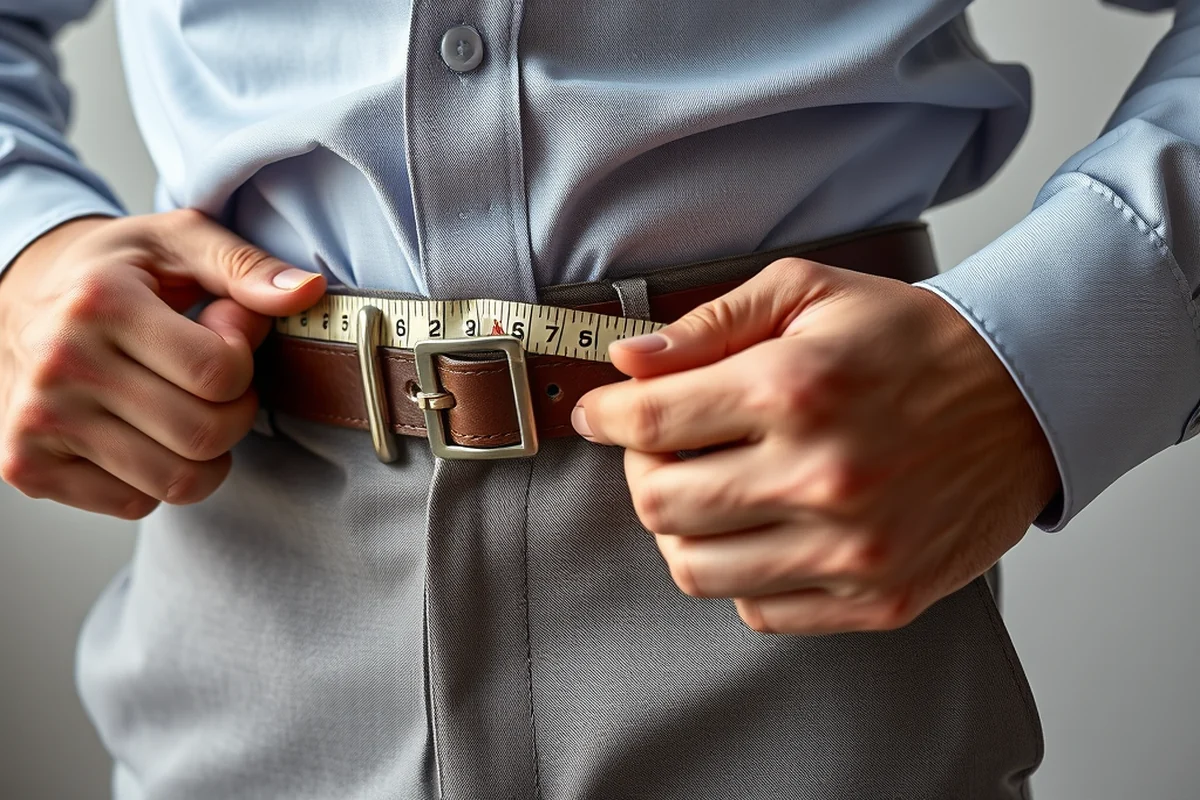
I’ve tested a few methods over the years, and the most reliable way to measure shoe size at home is by using a ruler, a piece of paper, and a pencil. I start by placing the paper on the floor and standing on it with my foot. I then trace around my foot with the pencil — this gives me a perfect outline. Using the ruler, I measure from the heel to the tip of my longest toe. I’ve found that this method is more accurate than just using a tape measure because it accounts for the shape of the foot.
I also make sure that I measure both feet, as one foot is often slightly larger than the other. I once assumed my right foot was the same size as my left, but I was wrong. That one-inch difference made all the difference in finding the right pair of shoes. I now always measure both feet to ensure that I’m buying shoes that fit both, not just one.
I’ve found that doing this method in the morning gives the most accurate results, as feet can swell throughout the day. I’ve also used this technique to measure my feet for online purchases, which has helped me avoid the frustration of receiving shoes that don’t fit.
Measure your feet in the morning for the most accurate results.
Related: Tall shoe styling guides checklist
The Science Behind Shoe Sizing
I once thought shoe sizing was just about the number on the box, but it’s actually a science. Different brands use different sizing systems — some are based on US sizes, others on UK or European sizes, and some even use metric measurements. I once tried to buy a pair of shoes in the UK, but the size didn’t match up with the US size I usually wear. This was confusing, but I eventually learned that different brands and countries use slightly different measurements.
I’ve found that some brands, like Nike and Adidas, are slightly larger than others, while brands like Gucci and Prada can be more narrow. I now make a note of the brand I’m buying from and check their sizing charts. It’s a small step, but it makes all the difference with finding the right fit.
I’ve also learned that shoe size varies by gender and by foot shape. Women, for example, tend to have narrower heels and longer toes compared to men. This is why many women’s shoe sizes are slightly different from men’s. I’ve found that knowing this has helped me choose the right shoes for different occasions and styles.
Different brands use different sizing systems. Always check the brand’s sizing chart before making a purchase.
“I still remember the first time I walked into a shoe store with my feet on fire from the wrong size.”— Shoereach editors
Related: Tall shoe styling fit sizing guides guide
How to Use Your Measurements to Find the Right Size
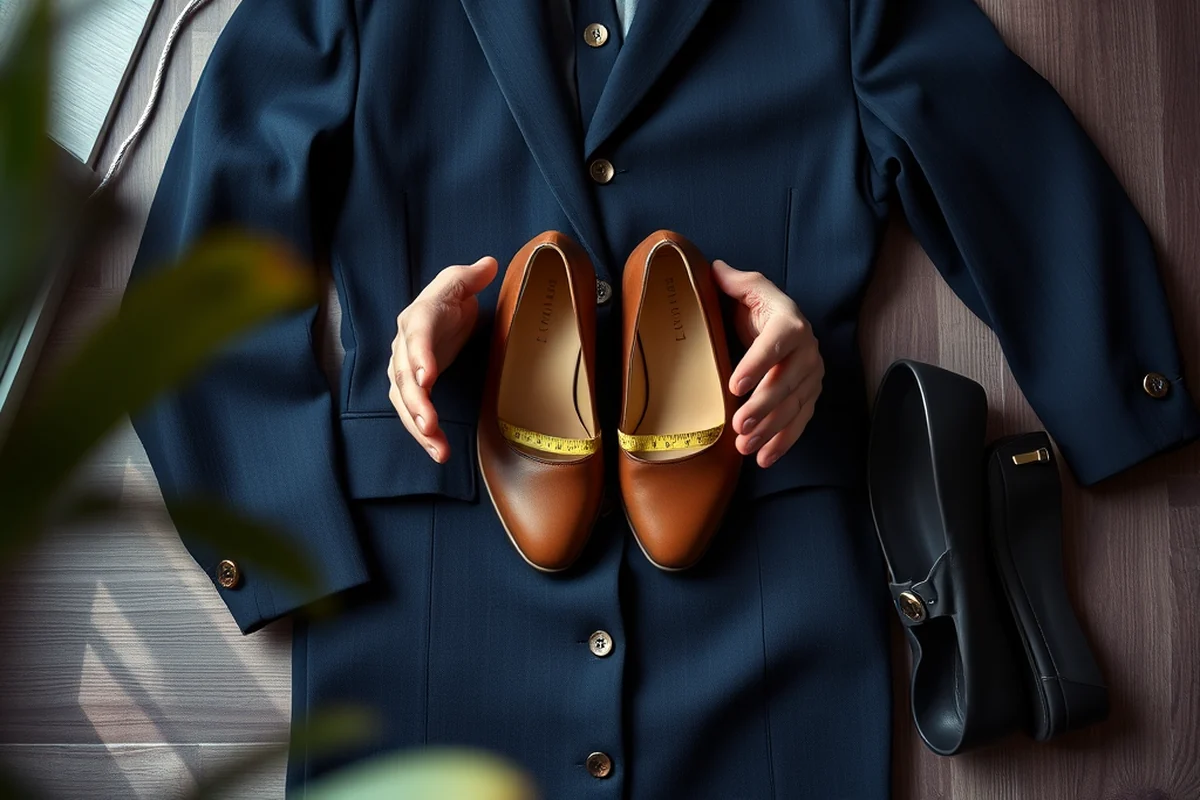
I once had a pair of shoes that were the correct length but way too narrow — I learned the hard way that length is only one part of the equation. Now, I use my measurements to find the right width and shape of shoe. I’ve found that many brands now include width options in their sizing charts, which is a huge help. For example, I now look for shoes that are labeled as 'wide' if I have a wider foot.
I’ve also found that using my measurements to find the right size has helped me avoid the frustration of buying shoes that don’t fit. I now measure my feet before I buy anything online, and I use those measurements to cross-reference with the brand’s sizing chart. I’ve saved time and money by doing this, and I’ve also found that the right fit is more comfortable and lasts longer.
I’ve even used my measurements to help my friends and family choose the right shoes. I’ve found that this is a skill that’s often overlooked, but it’s one of the most useful things I’ve learned. It’s not just about the size — it’s about the fit, the comfort, and the confidence that comes with wearing the right shoes.
Related: Budget tall shoe styling guides
Tips for Online Shopping and In-Store Shopping
I’ve found that online shopping is easier when you know your shoe size — it saves time and reduces the need for returns. I now check the brand’s sizing chart before purchasing, and I make a note of my measurements. This has helped me avoid the frustration of receiving shoes that don’t fit. I’ve also found that many brands now offer free returns, which is a huge help if the shoes don’t fit perfectly.
In-store shopping is different — I’ve found that many stores have a sizing chart available, and the salespeople are often happy to help. I now ask for the sizing chart before trying on shoes, as it helps me understand what size I should be looking for. I’ve also found that trying on shoes in the afternoon can give a more accurate fit, as feet can swell slightly throughout the day.
I’ve also learned that it’s important to wear the type of socks you would normally wear with the shoes you’re buying. I once tried on shoes without socks, and they fit perfectly, but when I wore socks, they were too tight. This was a small but important detail that I now always remember.
Related: Budget tall shoe styling sizing
The Importance of Foot Shape and Arch Height
I once bought a pair of shoes that were the right size but didn’t fit because of my high arches. My feet felt unstable, and the shoes didn’t provide enough support. This was a wake-up call — I realized that shoe size isn’t the only factor. Understanding your foot shape and arch height is just as important. I’ve since learned that people with high arches need more support, while people with flat feet need more cushioning.
I’ve found that many brands now offer shoes with different levels of support and cushioning. I now look for shoes that are labeled as 'supportive' or 'cushioned' if I have high arches. This has made a huge difference in how comfortable my shoes are throughout the day. I’ve also found that people with flat feet can benefit from shoes with more arch support, which helps reduce discomfort and fatigue.
I’ve even used this knowledge to help my friends and family choose the right shoes. I’ve found that this is a skill that’s often overlooked, but it’s one of the most useful things I’ve learned. It’s not just about the size — it’s about the fit, the comfort, and the confidence that comes with wearing the right shoes.
Your foot shape and arch height are just as important as your shoe size.
Related: Simple tall shoe styling fit sizing guides
How to Measure Your Feet for Different Types of Shoes
I’ve found that different types of shoes may require slightly different measurements. For example, I once bought a pair of heels that were the right size for flats but were too narrow for heels. This was a problem — the heels pinched my feet and didn’t feel comfortable. Now, I make sure to measure my feet differently for different types of shoes. For heels, I focus more on the width and the shape of the foot, while for flats, I focus on the length and the overall fit.
I’ve also found that running shoes and casual shoes may require different measurements. For running shoes, I focus on the arch and the cushioning, while for casual shoes, I focus on the overall fit and comfort. I’ve found that this small change in how I measure my feet makes a huge difference in the comfort and support of the shoes I wear.
💰 Budget-Friendly Method
Use a ruler, paper, and pencil to measure your feet accurately — no need for expensive tools.
💼 Workwear Adaptation
For business shoes, focus on the width and the shape of your foot to ensure a proper fit.
👟 Casual Style
For casual shoes, prioritize comfort and length to find the perfect fit.
📏 Petite/Tall Adaptation
Petite and tall individuals may need to adjust their measurements based on foot length and heel height.
🧳 Capsule Wardrobe Method
Use your shoe size measurements to build a capsule wardrobe that fits perfectly.
| The mistake | Why it happens | The fix |
|---|---|---|
| Measuring your feet with socks on. | Socks can compress your foot and give an inaccurate measurement. | Measure your feet without socks for the most accurate result. |
| Only measuring one foot. | Feet are often different sizes, and measuring only one can lead to an ill-fitting shoe. | Always measure both feet and choose the size that fits the larger foot. |
| Not checking the brand’s sizing chart. | Different brands use different sizing systems, and not checking the chart can lead to an incorrect size. | Always check the brand’s sizing chart before purchasing. |
| Measuring your feet in the evening. | Feet can swell throughout the day, leading to an inaccurate measurement. | Measure your feet in the morning for the most accurate results. |
How To Measure Shoe Size
Common Questions
What should I do if my feet are different sizes?
Can I measure my feet without a ruler?
How do I know if I need a wide or narrow shoe?
Is it better to measure my feet in the morning or at night?
References
- Factors Influencing Runner's Choices of Footwear - PMC (pmc.ncbi.nlm.nih.gov)
- Kentucky Academic Standards Mathematics (education.ky.gov)
Cite this guide
Shoereach (2026). How To Measure Shoe Size. https://shoereach.com/how-to-measure-shoe-size/
Feel free to cite or share this guide.