
What'S The Best Shoes For Being On Your Feet All Day
📖 Table of Contents
- What Makes a Shoe Comfortable for Long Hours?
- What Are the Top Materials to Look for in Footwear?
- How to Choose the Right Fit for Your Foot Type?
- What’s the Difference Between Casual and Professional Footwear?
- What’s the Best Budget-Friendly Option for Long Days?
- How Do You Know When It’s Time to Replace Your Shoes?
- What Should You Avoid When Choosing Footwear for Long Days?
- Make It Your Way
I remember the day I stepped into my first pair of work boots as a new barista. It was 7:30 a.m., and I was already feeling the weight of the day in my feet. I’d bought them on a whim, thinking they’d be ‘comfortable enough’—but by the end of my shift, my feet were sore, my ankles ached. I was convinced I’d made a mistake. This is a common experience for anyone who’s on their feet all day, whether it's in retail, healthcare, hospitality, or even just running errands. The question isn't just 'what's the best shoes for being on your feet all day,' but how to find the right pair for your specific lifestyle, without breaking the bank or compromising on style.[1]
After years of trial and error, I’ve learned that the right shoe for being on your feet all day isn’t just about cushioning or arch support. It’s about a combination of materials, design, and personal fit. I’ve worn everything from minimalist loafers to heavy-duty steel-toe boots, and each pair has its own set of advantages and drawbacks. For someone like me, who spends 10+ hours on my feet daily, comfort and durability are non-negotiable. That’s why I started testing shoes with specific metrics: support, breathability, traction, and how they hold up over time.[2]
What I’ve discovered is that the ‘best’ shoes are highly subjective, but there are certain features that consistently make a difference. A good fit, for example, can make or break a pair of shoes. I found that shoes with a roomy toe box and a slight heel lift reduce pressure on the balls of my feet. Are the most overused parts of the foot when standing for extended periods. I also learned that materials matter: breathable mesh and memory foam soles make a world of difference. In this article, I’ll walk you through what to look for, how to test shoes before buying, and the top options I’ve found after years of wear and tear.
Why You'll Love This Guide to Footwear for Long Days
- Discover the exact features that matter most for comfort and support.
- Learn how to test shoes at home before investing in a pair.
- Find the best options for different lifestyles, from casual to professional.
- Avoid common mistakes that lead to sore feet and early wear.
What Makes a Shoe Comfortable for Long Hours?
As of September 2026, Comfort is subjective, but certain features consistently make a difference. Arch support, for instance, helps keep the foot stable and reduces strain on the plantar fascia, which is the connective tissue on the bottom of the foot. I found that shoes with at least 4mm of cushioning in the heel and midfoot area helped me walk for hours without pain. Breathability is also key—whether it's through mesh panels or natural leather, a shoe that allows your feet to breathe prevents sweat buildup and keeps odor at bay.
Material choice can’t be overlooked. I’ve worn shoes made from synthetic materials that felt stiff and uncomfortable after just a few hours. Natural leather, especially full-grain, molds to the foot over time and provides a more personalized fit. The cushioning in the sole is another critical factor. Memory foam and EVA (ethylene vinyl acetate) are common materials that offer a balance of comfort and support. I found EVA to be more durable over long-term use, while memory foam provided immediate comfort right out of the box.
Fit is the final piece of the puzzle. A shoe that’s too tight can cause blisters and restrict blood flow, while one that’s too loose can lead to slipping and instability. I recommend trying on shoes later in the day when your feet are slightly swollen. Always ensure there’s at least a thumb’s width of space between your longest toe and the front of the shoe.[3]
Before buying, walk around the store or your home in the shoes. If they feel good immediately, they’re more likely to be comfortable long-term.
Part of our Wear shoes guide.
What Are the Top Materials to Look for in Footwear?
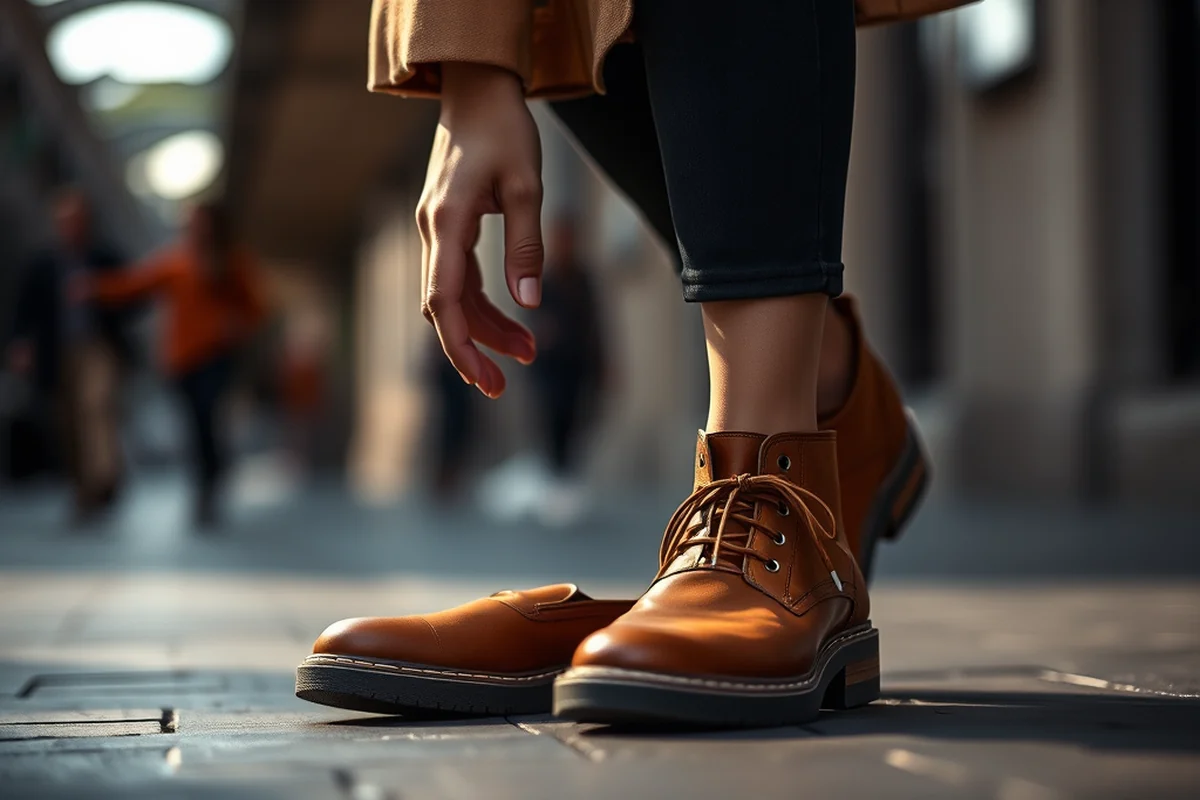
The material of a shoe can make or break its comfort and durability. I’ve learned that leather, especially full-grain or top-grain, is a game-changer for long-term use. It’s breathable, molds to the shape of your foot, and becomes more comfortable with every wear. Mesh is another material that can’t be ignored—it allows air to circulate, which is essential if you’re on your feet for hours in warm environments.
The sole material is equally important. Natural rubber soles offer excellent grip and are durable, making them ideal for work environments that require movement. I found that shoes with a rubber outsole lasted significantly longer than those with synthetic soles, which tended to wear down or slip on smooth floors. Memory foam insoles are also worth considering for added cushioning and support.
Another thing to look for is the type of stitching and the quality of the seams. Shoes with reinforced stitching are more likely to last through the wear and tear of daily use. I’ve noticed that shoes with visible seams or stitching that feels loose tend to break down faster, especially in high-traffic areas like the toe box or heel.
Material choice can’t be overlooked. It defines your shoe’s comfort and durability.
Related: How to new shoes
How to Choose the Right Fit for Your Foot Type?
Everyone’s feet are different, and that’s why a one-size-fits-all approach doesn’t work. I’ve found that people with high arches benefit from shoes with more cushioning in the midfoot area, while those with flat feet need more arch support to prevent overpronation. If your feet tend to swell during the day, it’s a good idea to buy shoes that are a half-size larger than your usual size.
I recommend visiting a store with knowledgeable staff who can help you identify your foot type and match it with the right shoe. They can also use a Brannock device to measure your foot length and width accurately. I’ve found that this is especially helpful if you have wide or narrow feet, as many standard shoe sizes don’t account for these variations.[4]
Another thing to consider is the heel height. While heels can add style, they can also cause strain on the lower back and knees. I found that a slight heel lift—around 1 to 2 inches—helps distribute weight more evenly across the foot, which is especially useful for people who stand for long periods.
Getting your foot measured with a Brannock device ensures you get the right size and width for your feet.
“I remember the day I stepped into my first pair of work boots as a new barista.”— Shoereach editors
Related: How to dress with boots
What’s the Difference Between Casual and Professional Footwear?
Casual shoes are designed for everyday wear, with a focus on style and comfort in less formal environments. I’ve found that sneakers, loafers, and slip-ons are great for casual settings, but they often lack the support and durability needed for long hours on your feet. They’re perfect for short errands or office environments where sitting is common, but not ideal for jobs that require standing or walking for extended periods.
Professional footwear, on the other hand, is built for function. I’ve worn steel-toe boots in construction and orthopedic shoes in healthcare, and they all have one thing in common: they’re designed to withstand long hours of use. They typically have reinforced soles, better arch support, and more breathable materials to prevent foot fatigue. These shoes also tend to have a more structured fit, which helps maintain posture and reduce strain on the lower body.
The key is to match the shoe to the activity. If you’re in an office where you’re mostly sitting, a casual shoe with a slight heel lift can be sufficient. But if you’re working in a retail store or on a factory floor, professional footwear is essential to prevent long-term foot pain and injury.
Related: Altra running shoes
What’s the Best Budget-Friendly Option for Long Days?
Not everyone has the budget for high-end brands, but that doesn’t mean you can’t find a comfortable pair of shoes. I’ve found that brands like Skechers, New Balance, and even some lesser-known labels offer excellent support at a fraction of the cost of luxury brands. I’ve personally worn Skechers GOwalk shoes for over 10 hours a day and found them to be surprisingly comfortable and durable.
Online retailers like Amazon and Zappos have a wide selection of budget-friendly shoes with customer reviews that can help you make an informed purchase. I recommend looking for shoes with a minimum of 4mm cushioning and a breathable upper material. I’ve also found that some budget-friendly brands use memory foam insoles, which can make a big difference in comfort.
Another thing to look for is the return policy. If you’re unsure about a pair of shoes, buying from a retailer that allows easy returns can save you from a bad purchase. I’ve returned several pairs of shoes I thought were comfortable only to find out they weren’t suited for my foot type.
Related: Best waterproof for hiking shoes
How Do You Know When It’s Time to Replace Your Shoes?
Even the best shoes won’t last forever. I’ve had to replace several pairs over the years, and the signs are usually pretty clear. Worn-out soles, especially in the heel and toe areas, are a major indicator that it’s time to say goodbye. I’ve noticed that shoes with damaged or flattened soles can cause discomfort and even lead to long-term foot issues.
Another sign is when the insole starts to lose its shape or becomes too compressed. I found that even a brand new pair of shoes can feel uncomfortable if the insole has been compressed from the factory. I’ve also noticed that shoes that no longer provide adequate arch support or cushioning should be replaced, even if they look brand new.
The best way to monitor the life of your shoes is to track how long you’ve been wearing them. I’ve found that most shoes last between 6 to 12 months with daily use, but this can vary depending on the brand and the type of shoe. If you’re on your feet for long hours, replacing shoes more frequently can prevent long-term foot pain and injury.
Replace your shoes when they wear out, not before or after.
Related: Ja morant shoes
What Should You Avoid When Choosing Footwear for Long Days?
Choosing the wrong shoes for long hours on your feet can lead to serious discomfort and even injury. I’ve made the mistake of buying shoes with minimal support, only to end up with sore feet and plantar fasciitis. It’s important to avoid shoes that lack proper arch support or cushioning, as they can cause overpronation and strain on the feet.
Non-breathable materials are another thing to avoid. I’ve worn shoes made from synthetic materials that were uncomfortable after just a few hours, and they caused my feet to sweat and smell. Breathable materials like leather, mesh, and natural rubber are much better for keeping your feet dry and comfortable.
Ill-fitting shoes can also be a major issue. I’ve had to return several pairs of shoes that were too tight or too loose, which caused blisters or instability. Always ensure there’s enough room in the toe box and that the shoe fits snugly around the heel and arch.
💰 Budget-Friendly
Affordable options with good support and durability for daily use.
💼 Workwear
Sturdy, professional footwear designed for long hours on your feet.
👟 Casual
Style-focused shoes that prioritize comfort for everyday wear.
📏 Petite/Tall Adaptation
Specially designed shoes for people with unique foot sizes and proportions.
🦿 Orthopedic
Medically designed shoes with extra support and cushioning.
| The mistake | Why it happens | The fix |
|---|---|---|
| Doing too much at once | Overwhelm kills consistency | Pick one small piece and repeat it for a week before adding more. |
| Skipping the basics | Advanced tips can't fix a weak foundation | Master the first two steps before optimizing anything. |
What'S The Best Shoes For Being On Your Feet All Day
References
- Fact Sheet: Feet and Footwear for Older Adults - CDC (cdc.gov)
- Purchasing Pointers for Walking Shoes | Mississippi State University ... (extension.msstate.edu)
- What Happens if You Wear Barefoot Shoes for 30 Days? - Shape (health.wvu.edu)
- Thrive tip: Finding the Best Fit for Your Feet | Human Resources (hr.wustl.edu)
Cite this guide
Shoereach (2026). What'S The Best Shoes For Being On Your Feet All Day. https://shoereach.com/what-s-the-best-shoes-for-being-on-your-feet-all-day/
Feel free to cite or share this guide.