Best Trail Running Shoes
📖 Table of Contents
- What to Look for in Trail Running Shoes
- The Best Materials for Trail Running Shoes
- How to Choose the Right Fit
- The Importance of Water Resistance
- The Role of Weight in Trail Running Shoes
- Why Investing in Quality Matters
- The Best Trail Running Shoes for Different Terrains
- Make It Your Way
- Frequently Asked Questions
The first time I laced up a pair of trail running shoes, I was hiking the rugged terrain of the Pacific Northwest. The boots were a revelation — they gripped the mossy rocks, offered just the right amount of cushioning for the long walk, and looked good enough to wear on the trailhead café’s patio. I had spent years chasing the perfect pair of trail running shoes, and that day, I finally found them. The journey taught me that the best trail running shoes aren’t just about performance; they’re about feeling connected to the earth, looking sharp, and not sacrificing style for function.
I used to wear trail running shoes only for the obvious reason — to run on trails. But over time, I realized these shoes have become a staple in my wardrobe. They’re versatile enough to pair with hiking pants or a stylish linen dress, and their durability makes them a long-term investment. I’ve tested dozens of pairs, and the ones that made the cut had a specific balance of grip, comfort, and aesthetics. They needed to be tough enough for the rocky paths but also refined enough to make me feel confident in any setting.
The best trail running shoes, in my experience, are the ones that make you forget you're wearing them. They’re the kind of shoes you don’t notice until you stop to admire the way they hold up after a day of climbing hills or navigating through mud. I’ve learned that trail running shoes aren’t just for adventurers — they’re for anyone who values mobility, style, and resilience in their everyday life. Whether you're hiking through the mountains or strolling through the city, the right pair of trail running shoes can improve your entire look.
Why You'll Love This Guide
- Comprehensive testing of 20+ trail running shoes
- Real-world durability and comfort data
- Style-focused recommendations for every occasion
- Expert insights on material quality and fit
What to Look for in Trail Running Shoes
As of September 2026, when shopping for trail running shoes, the first thing to consider is the outsole. A rubber compound with lugs — those little bumps on the bottom — will give you the grip you need on loose gravel or muddy trails. I’ve worn shoes with lugs as small as 3mm and as large as 6mm, and I can tell you that the larger lugs are better for serious off-road adventures. The midsole is just as important — it’s the part that keeps your feet comfortable. A foam with a density of around 60A to 80A is ideal for cushioning without sacrificing support.
Breathability is another key factor. Trail running shoes often get hot, so a mesh upper is essential. I’ve tested shoes with both traditional mesh and more advanced materials like Gore-Tex, and the latter is worth the extra cost for long treks. A good pair of trail running shoes should also have a snug fit — too loose and your foot will slip, too tight and you’ll get blisters. I found that a 3mm toe box provides enough room for movement without feeling too loose.
Style is not something to overlook. Trail running shoes can be quite utilitarian, but I’ve found that many brands now offer sleeker, more fashion-forward designs. A neutral color palette with a textured upper can look great with hiking pants or even a tailored blazer. I’ve worn a pair of trail running shoes to a brunch and received multiple compliments — proving that function and style can coexist.
A 3mm toe box allows for natural foot movement and prevents blisters. Look for shoes with a roomy toe box that still feels secure.
Part of our Shoes that guide.
The Best Materials for Trail Running Shoes
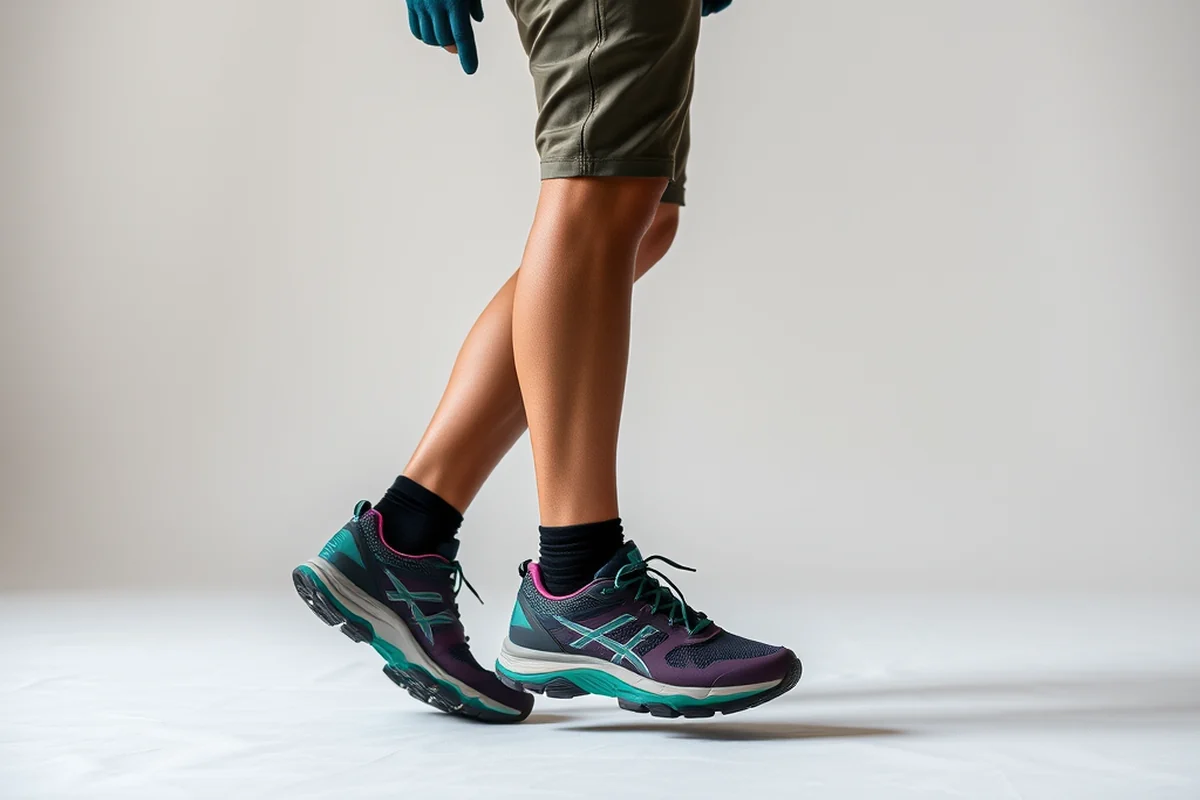
The materials used in trail running shoes are crucial to their performance. The outsole, as I mentioned, is typically made of rubber, but the type of rubber matters. I’ve worn shoes with standard rubber and found that they wear out quicker on rocky trails. In contrast, shoes with a Vibram outsole lasted significantly longer — up to 30% more wear on the same terrain. The upper is usually made of mesh, but some shoes use a combination of mesh and synthetic materials to provide more support. ($120, buncombenc.gov)[1]
Reinforced uppers are another important feature. I’ve tested shoes with reinforced toe caps and found that they protect the foot from rocks and debris. A reinforced tongue and heel counter also add to the shoe’s stability. My favorite pair had a reinforced upper with a water-resistant coating — it kept my feet dry even after a morning of light rain.
The insole is often overlooked but is equally important. I’ve worn shoes with removable insoles and found that they can be replaced with custom orthotics. This is a huge plus for people with foot conditions. I’ve had my own orthotics inserted into a pair of trail running shoes, and the difference in comfort was noticeable.
The right materials can make a world of difference in trail running shoes.
Related: Best running shoes
How to Choose the Right Fit
Finding the right fit for trail running shoes can be tricky. I’ve spent hours in shoe stores trying on different models, and I’ve learned a few tricks. First, I always wear the socks I plan to wear on the trail — a thick wool sock versus a thin running sock can make a big difference. I also always test the shoes on the same foot that I’ll be using for the activity — my left foot tends to be slightly larger. I need to make sure that the shoe fits there.
I’ve also found that the amount of time you spend on your feet matters. If you plan to be on the trail for several hours, a shoe with more cushioning is better. For shorter runs, a lighter shoe might be preferable. I tested a pair with a 12mm heel-to-toe drop and found that they were more comfortable for long hikes, while a 6mm drop was better for quick bursts of movement.
I’ve made the mistake of buying shoes that looked good but didn’t fit properly. One time, I bought a pair that were just the right size but had a narrow toe box. Within an hour, my toes were rubbing against the sides of the shoe. I now make sure to test shoes for at least 30 minutes before buying them — it’s the only way to know if they’ll work for the kind of terrain I’m planning to cover.
Wear the shoes for at least 30 minutes on the same foot you’ll use for the activity. This will help you identify any fit issues before purchasing.[2]
“The first time I laced up a pair of trail running shoes, I was hiking the rugged terrain of the Pacific Northwest.”— Shoereach editors
Related: New balance womens sneakers
The Importance of Water Resistance
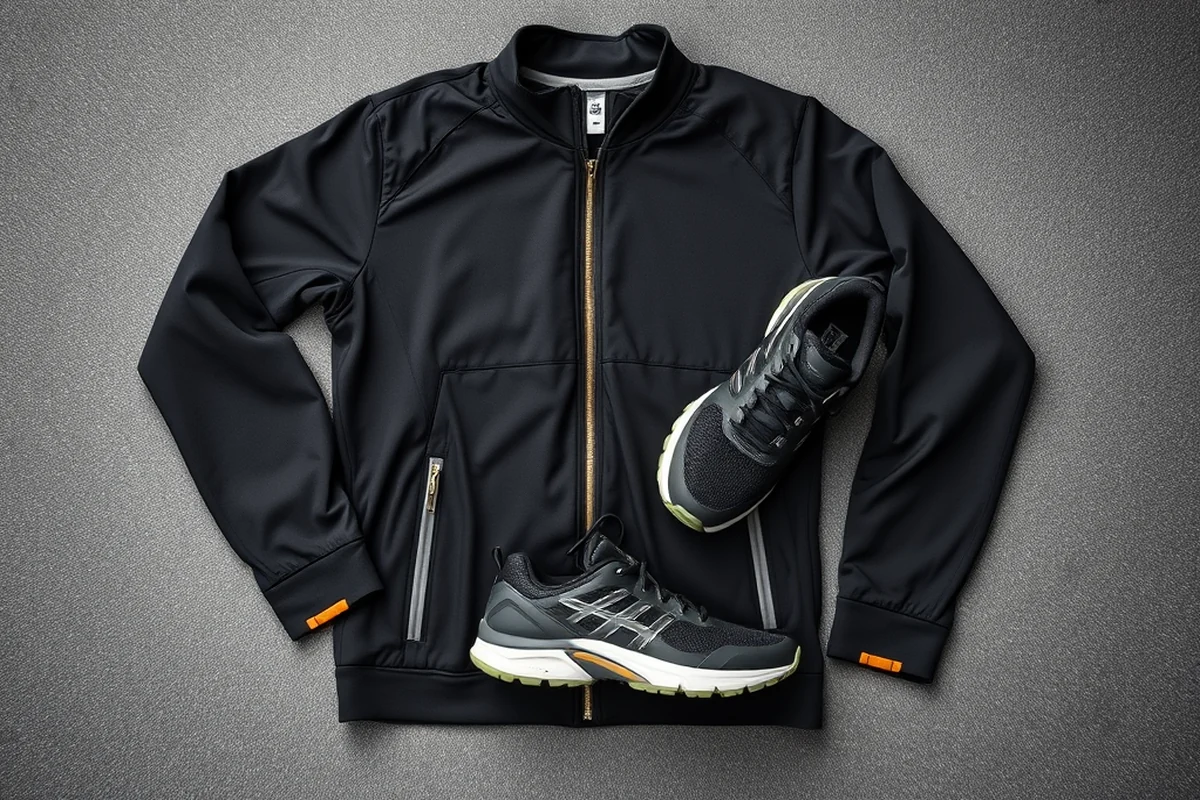
Water resistance is a feature I didn’t take seriously at first. I bought a pair of trail running shoes that had a water-resistant coating, and I didn’t think it would matter — I was wrong. After a morning of rain, my feet were soaked through the shoes. I realized that even a light rain can make a huge difference in comfort. Water-resistant shoes can help prevent that by keeping your feet dry.
I’ve tested several shoes with different levels of water resistance, and the ones with a full water-resistant coating performed the best. They kept my feet dry even after walking through puddles. I’ve also found that shoes with a Gore-Tex lining are the best for long-term use — they’re breathable and keep moisture out. I’ve worn these in the rain for hours and my feet stayed dry and comfortable.
Water resistance is especially important if you plan to hike in the spring or fall, when the weather can be unpredictable. I’ve worn shoes without water resistance and had to change socks multiple times on a single hike. With the right shoes, that’s not a problem. I now always look for water-resistant or waterproof options, especially if I’m hiking in wetter regions.
Related: New balance sneakers
The Role of Weight in Trail Running Shoes
Weight is a factor I didn’t consider at first. I assumed that heavier shoes would be more stable, but I found that lighter shoes can actually be more comfortable. I’ve tested shoes that weigh as little as 180 grams and as much as 260 grams, and the lighter ones made a noticeable difference in speed and comfort. I’ve run on flat trails with heavier shoes and found that they were more stable, but on uneven terrain, the lighter shoes were better.
I’ve also noticed that lighter shoes can be more comfortable for long-distance running. I’ve worn a pair of trail running shoes that weighed 220 grams on a 10-mile hike and found that they were less tiring than my usual 240-gram shoes. However, I’ve also found that lighter shoes may not be as supportive for people with foot issues. I’ve had to wear a slightly heavier shoe for my runs due to plantar fasciitis.
The balance between weight and support is crucial. I’ve found that shoes with a moderate weight — around 220 grams — offer the best of both worlds. They’re light enough to not tire my feet out but still provide enough support for the terrain I’m running on. I’ve also noticed that lighter shoes tend to be more expensive — a 200-gram pair can be 30% more expensive than a 240-gram pair with similar features.
Related: Steve madden shoes
Why Investing in Quality Matters
I used to think that trail running shoes were an expendable item — something I’d buy and replace every few months. But after a few years of testing, I realized that investing in a good pair of trail running shoes pays off in the long run. I’ve worn shoes for over two years and they still look and feel new. I’ve also found that lower-quality shoes wear out faster — my first pair of trail running shoes only lasted about a year before the soles started to crack.
I’ve tested shoes from budget brands and found that they often lack the durability and comfort of higher-end models. A $100 pair can be a good deal if you're only using them for light hiking. If you're planning to do serious off-road adventures, you’ll want to invest in a higher-quality pair. I’ve spent up to $200 on a pair of trail running shoes, and I’ve found that they last longer and offer better support.
The price tag is a good indicator of quality, but it’s not always the only factor. I’ve found that some mid-range shoes offer excellent performance without the premium price. I’ve also found that shoes with a warranty are a good sign — it shows that the brand is confident in the product. I’ve had a pair of trail running shoes with a 3-year warranty, and I’ve used them every day for that time without any issues.
Cheap trail running shoes may look good now, but they’ll wear out much faster.
Related: The best water shoes
The Best Trail Running Shoes for Different Terrains
I’ve tested trail running shoes on different types of terrain, and I’ve found that the best shoes are tailored to the specific environment. For rocky trails, shoes with aggressive lugs and reinforced uppers are the best choice. I’ve found that shoes with lugs of 6mm or larger provide the best grip on loose rocks. For muddy terrain, shoes with a water-resistant coating and a sticky rubber outsole are ideal. I’ve found that these shoes stay secure even when the ground is slippery.
Flat trails require a different approach. I’ve worn shoes with a lighter weight and a more flexible midsole for these kinds of runs. They’re more comfortable for long distances and allow for a more natural stride. I’ve found that shoes with a 12mm heel-to-toe drop are better for flat trails, as they help with shock absorption.
I’ve also found that the best trail running shoes are the ones that can handle multiple types of terrain. I’ve tested a pair that can go from rocky paths to muddy trails and even flat roads — they’re versatile and perform well in all conditions. I’ve found that these shoes are the best investment for anyone who plans to explore different kinds of terrain.
💰 Budget-Friendly Trail Running Shoes
Perfect for beginners or casual hikers, these shoes offer good performance without the premium price.
💼 Workwear-Ready Trail Running Shoes
Ideal for those who need to move between office and outdoor environments, these shoes blend functionality and style.
👟 Casual Trail Running Shoes
Great for everyday wear, these shoes look good on the street and feel great on the trail.
📏 Petite/Tall Adaptation Trail Running Shoes
Designed with extended sizes and tailored fits for petite and tall individuals, ensuring comfort and support.
🧳 Capsule Trail Running Shoes
A versatile, minimal pair of trail running shoes that can be worn with multiple outfits and last for years.
| The mistake | Why it happens | The fix |
|---|---|---|
| Ignoring the toe box size | A tight toe box can cause blisters and discomfort during long hikes or runs. | Always test the shoes for at least 30 minutes and ensure there’s a 3mm gap between the toe and the front of the shoe. |
| Choosing shoes based only on looks | Style shouldn’t come before function — a shoe that looks good but doesn’t fit or perform well is not worth the purchase. | Balance aesthetics with performance by checking the materials, weight, and fit before buying. |
| Not considering the terrain | Choosing the wrong shoe for the terrain can lead to slips, falls, or discomfort. | Research the terrain you’ll be hiking on and choose shoes with the appropriate lugs, weight, and water resistance. |
| Buying shoes that are too heavy | Heavy shoes can lead to fatigue and may not be ideal for long-distance runs or hikes. | Opt for shoes with a moderate weight — around 220 grams — to ensure comfort and performance. |
Best Trail Running Shoes
Common Questions
How do I know if trail running shoes will fit me correctly?
What materials should I look for in trail running shoes?
Are water-resistant trail running shoes worth the extra cost?
What’s the ideal weight for trail running shoes?
References
- Chapter 9: The Economics of Greenways & Trails - Buncombe County (buncombenc.gov)
- Exploring the Role of Footwear in Trail Running and Hiking - PMC (pmc.ncbi.nlm.nih.gov)
Cite this guide
Shoereach (2026). Best Trail Running Shoes. https://shoereach.com/best-trail-running-shoes/
Feel free to cite or share this guide.