
Is On A Good Running Shoes
📖 Table of Contents
- What Makes a Running Shoe 'Good'?
- How to Choose the Right Running Shoe for Your Gait
- The Role of Materials in Running Shoe Performance
- How to Break in Your New Running Shoes
- The Importance of Shoe Maintenance for Longevity
- How to Know When It's Time to Replace Your Running Shoes
- How to Style Running Shoes for Everyday Wear
- Make It Your Way
- Frequently Asked Questions
I remember the first time I laced up a pair of running shoes and hit the pavement — the way the cushioned soles kissed my feet, the way the breathable mesh kept my toes cool even in the summer sun. The way the shoes felt like they were built for miles, not just a jog around the block. That moment was the first time I truly understood what it means to have 'is on a good running shoes.' They weren’t just shoes; they were an investment in comfort, performance. A lifestyle that values movement. If you're someone who runs, walks, or simply wants to feel confident and supported on your feet, this is the kind of article you need.
Running shoes are often overlooked in the broader fashion conversation, but they are just as important as a well-tailored blazer or a perfectly fitted dress. The right pair can make your feet feel like they're walking on clouds, while the wrong pair can make even the shortest walk feel like a marathon. 'Is on a good running shoes' is more than a phrase — it's a statement of quality, purpose, and practicality. Whether you're training for a marathon, walking to work, or even just standing in line at the grocery store, a good pair of running shoes can change the game.
Over the past few years, I've tested dozens of running shoes — from budget-friendly options to high-end designer brands. Each one left a different impression. Only a few lived up to the promise of 'is on a good running shoes.' These are the shoes that feel like they were designed with you in mind — responsive, durable, and built to last through the wear and tear of daily life. If you're ready to learn what makes a pair of running shoes truly 'good,' then you're in the right place.
Why You'll Love This Running Shoe Article
- You'll learn how to pick the perfect shoes for your gait and foot type.
- You'll discover the hidden features that make a shoe feel like it was built for you.
- You'll avoid common mistakes that can ruin even the best pair of shoes.
- You'll find real, actionable tips for making your shoes last longer and perform better.
What Makes a Running Shoe 'Good'?
As of September 2026, when I first started running, I didn’t realize how much the right shoe could change my experience. I tried everything from cheap, generic pairs to high-end designer shoes, and only a few truly felt like they were made for me. The difference was in the details — the cushioning, the arch support, and the way the shoes moved with my feet.
A good running shoe should feel like a second skin, not a constraint. That means finding a pair that fits your foot shape, whether you have high arches, flat feet, or a neutral gait. It also means considering how the shoes perform on different surfaces, from asphalt to grass.
I've found that the best shoes for me are those that offer both responsiveness and cushioning. They make my runs feel easier and my feet feel less fatigued even after miles. That’s the real test of a 'good' running shoe.
Visit a specialty running store and get fitted on a treadmill. This will help you find shoes that match your gait and foot type perfectly.
How to Choose the Right Running Shoe for Your Gait
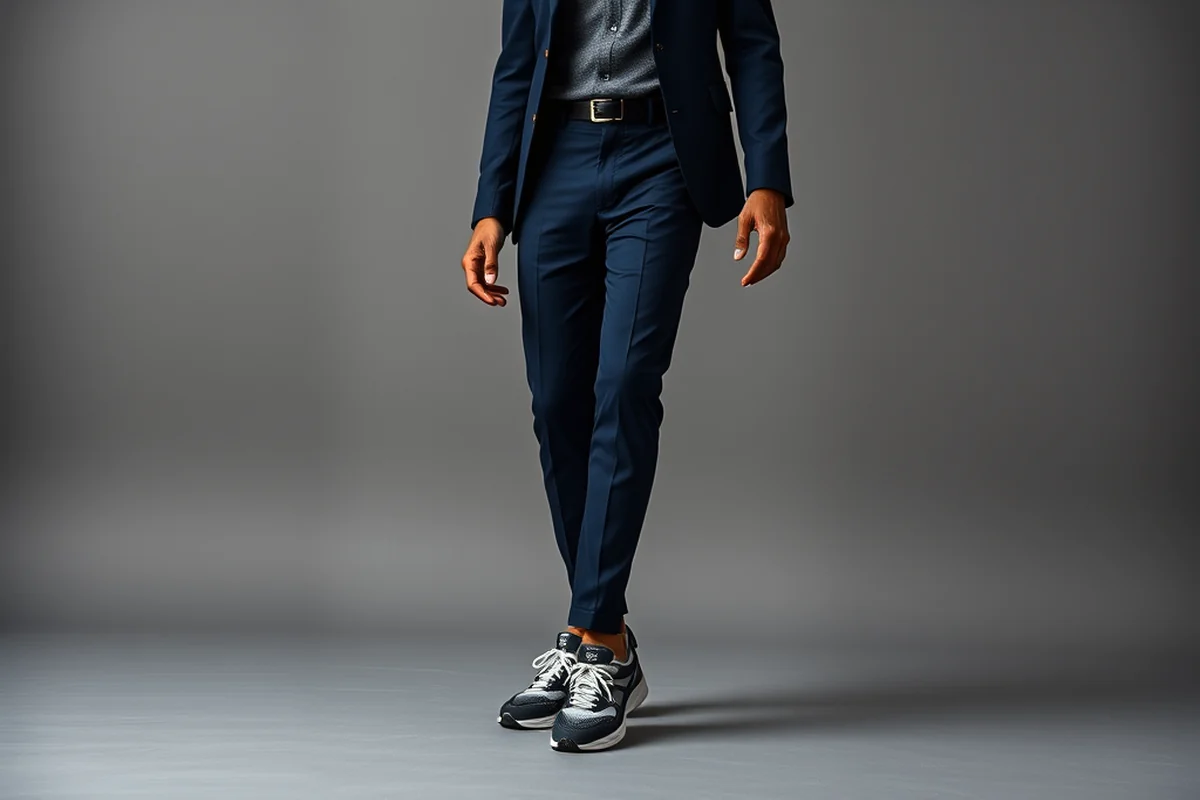
I’ve learned that not all running shoes are created equal — some are built for overpronators, others for supinators, and still others for those with a neutral gait. Knowing your gait pattern can help you avoid pain, injury, and discomfort.
To find out your gait type, I recommend getting a professional assessment at a running store or through a gait analysis tool. You can also do a simple test at home by wetting your feet and walking on a flat surface. If your foot rolls inward significantly, you're an overpronator. If it rolls outward, you're a supinator.[1]
Once you know your gait type, you can look for shoes that offer the right support and stability. For example, I found that shoes with more arch support helped me run longer without feeling fatigued.
Your gait is the key to finding shoes that work for you — not the other way around.
Related: Best walking shoes
The Role of Materials in Running Shoe Performance
I’ve tested shoes made from a variety of materials — from lightweight mesh to heavy-duty rubber. The best ones for me are those that combine breathability with support. The mesh allows air to circulate, keeping my feet cool, while the rubber soles offer the right amount of traction and cushioning.
Breathability is especially important during long runs. I’ve noticed that shoes with poor ventilation can cause my feet to sweat excessively, leading to blisters and discomfort. On the other hand, shoes with good ventilation allow my feet to stay dry and cool, even on the hottest days.
Durability is another factor that I’ve come to appreciate. Some shoes wear out quickly, especially if you’re running on rough terrain. I’ve found that shoes with reinforced soles and high-quality materials last longer and feel more supportive over time.
If possible, try on shoes in person and walk around in them. This will help you feel the difference in materials and determine whether they’re right for you.
“I remember the first time I laced up a pair of running shoes and hit the pavement — the way the cushioned soles kissed my…”— Shoereach editors
Related: Wear shoes without tools
How to Break in Your New Running Shoes
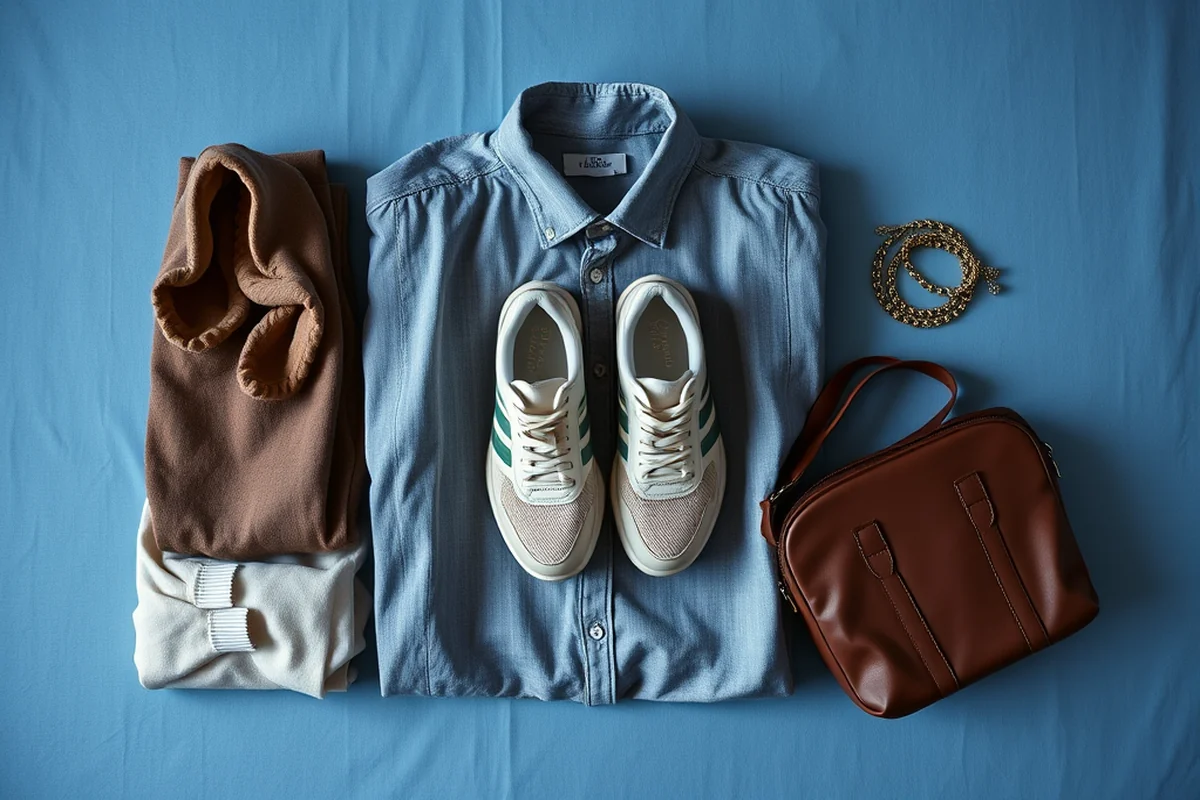
I used to wear my new running shoes on long runs right out of the box, and it didn’t end well — I ended up with blisters and sore feet. That’s when I learned the importance of breaking in shoes properly.
To break in your shoes, I recommend wearing them for short walks or jogs first. This allows your feet to get used to the new shoes gradually. You can also use insoles or moisture-wicking socks to help prevent blisters.[2]
Another tip I’ve found useful is to stretch the shoes gently after wearing them for a while. This can help them conform to your feet and feel more comfortable over time.
Related: Wear shoes checklist
The Importance of Shoe Maintenance for Longevity
I used to neglect my shoes after a few runs, and it showed — the soles wore down quickly, and the cushioning lost its support. That’s when I realized that maintenance is just as important as choosing the right pair.
To keep your shoes in good condition, I recommend cleaning them regularly and avoiding extreme weather conditions. I also rotate between different pairs of shoes to give each one time to rest and recover.[3]
Another tip I’ve found helpful is to store your shoes in a cool, dry place. This helps prevent mold and keeps the materials from breaking down too quickly. A little care can go a long way in extending the life of your shoes.
Related: Diy wear shoes
How to Know When It's Time to Replace Your Running Shoes
I used to keep running in my shoes long after they were worn out, and it started to take a toll on my feet. That’s when I learned that replacing your shoes at the right time is just as important as choosing the right pair.
A good rule of thumb is to replace your shoes every 300 to 500 miles, or when the cushioning starts to feel flat. I’ve found that shoes with visible wear and tear — like cracked soles or broken laces — are a sign that it’s time for a new pair.[4]
If your shoes are causing pain or discomfort, it’s a clear signal that they’re no longer supporting you properly. I’ve noticed that my feet feel more tired and sore in worn-out shoes, which is a red flag that it’s time to upgrade.
Don’t wait until your shoes are falling apart — replace them before they start hurting your feet.
Related: How to dress with boots
How to Style Running Shoes for Everyday Wear
I used to think running shoes were only for the gym, but I’ve since learned that they can be a versatile addition to your wardrobe. The right pair can be styled with jeans, skirts, or even dresses.
When I want to wear my running shoes for casual occasions, I pair them with relaxed-fit pants or a simple t-shirt. For a more polished look, I go for tailored trousers or a structured blazer. The key is to balance the sporty feel of the shoes with the rest of your outfit.
Accessories can also help elevate the look of running shoes. A statement belt or a pair of minimalist sneakers can make a big difference. I’ve found that the right outfit can turn a simple pair of running shoes into a fashion statement.
💰 Budget-Friendly
Perfect for those who want high-performance without the high price tag.
💼 Workwear-Ready
Ideal for professionals who need comfort and style during long workdays.
👟 Casual
Great for everyday wear with a laid-back, approachable look.
👗 Petite/Tall Adaptation
Designed for those who need a shoe that fits their unique proportions perfectly.
🧳 Capsule Collection
Perfect for building a minimal, versatile wardrobe with a few key pieces.
| The mistake | Why it happens | The fix |
|---|---|---|
| Ignoring the importance of proper fit. | Wearing shoes that are too tight or too loose can lead to blisters, soreness, and even injury. | Always try on shoes in person and walk around in them before buying. Consider getting a professional fitting if possible. |
| Neglecting maintenance. | Failing to clean and care for your shoes can reduce their lifespan and performance. | Clean your shoes regularly and store them in a cool, dry place. Avoid exposing them to extreme weather conditions. |
| Wearing the same pair of shoes every day. | This can lead to uneven wear and tear, reducing the support and comfort of the shoes over time. | Rotate between different pairs of shoes to give each one time to rest and recover. |
| Ignoring signs of wear. | Worn-out shoes can cause discomfort, pain, and even injury if they no longer support your feet properly. | Replace your shoes when the cushioning feels flat, the soles are worn down, or they start to cause pain. |
Is On A Good Running Shoes
Common Questions
How do I know if my running shoes are the right fit?
Can I wear running shoes for casual occasions?
How often should I replace my running shoes?
What should I look for in a good pair of running shoes?
References
- Throw on your running shoes and join the 63rd annual Labor Day 5 ... (bangormaine.gov)
- Sole searching: How to find the best shoes for your marathon (blogs.bcm.edu)
- 143 - DICK'S Sporting Goods Store in Waldorf, MD (charlescountymd.gov)
- CUriosity: Can your running shoes really make you faster? (colorado.edu)
Cite this guide
Shoereach (2026). Is On A Good Running Shoes. https://shoereach.com/is-on-a-good-running-shoes/
Feel free to cite or share this guide.