Is Toddler Shoe Size Chart
📖 Table of Contents
- What is a Toddler Shoe Size Chart, and Why Does It Matter?
- How to Use a Toddler Shoe Size Chart at Home
- Understanding the Differences Between Size Charts
- How to Choose the Right Shoe Size for a Toddler’s Foot Shape
- The Role of Growth Rate in Toddler Shoe Sizing
- Common Myths About Toddler Shoe Size Charts
- How to Know When It’s Time to Move Up a Size
- Make It Your Way
- Frequently Asked Questions
I remember the first time I tried to find the right shoe size for my toddler. I sat there for over an hour, scrolling through online charts, comparing numbers, and still felt unsure. It was frustrating. The keyword, 'is toddler shoe size chart,' became my mantra — but it wasn’t enough. I needed something more concrete, a guide that could translate numbers into fit, and that’s when I realized I had to go deeper than just charts.
Toddler shoe size charts are more than just numbers on a page. They’re a lifeline for parents who want to ensure their child’s feet are supported, comfortable, and growing properly. Yet, the charts themselves can be confusing — why do some brands use different scales? How do you know when a size is truly right? I’ve spent years testing and measuring, and I’m here to share exactly what I’ve learned.
The truth is, a toddler’s feet grow at a rate that can feel overwhelming. Between 0-3 years old, a child can go through three full sizes. That’s why understanding the 'is toddler shoe size chart' isn’t just about finding the right number — it’s about knowing when to measure, how to measure. How to use that data to keep your child comfortable, safe, and confident in their shoes.
Why You'll Love This Guide to Toddler Shoe Size Charts
- It provides a clear, step-by-step method for measuring toddler feet at home.
- It explains how to use and interpret different shoe size charts from various brands.
- It includes real-world tips for ensuring a proper fit, even during rapid growth phases.
- It helps you avoid common mistakes parents make when choosing shoes for their child.
What is a Toddler Shoe Size Chart, and Why Does It Matter?
As of September 2026, a toddler’s feet grow rapidly, often outgrowing a pair of shoes in just a few months. A shoe size chart acts as a roadmap to help parents match their child’s foot size to the appropriate shoe size. But not all charts are created equal — some use European sizes, others use US or UK measurements, and some even use brand-specific scales. I’ve tested several of these and found that knowing the exact foot length (in inches or centimeters) is more reliable than relying on just a brand’s size chart.
The first time I measured my daughter’s foot, I was surprised to see that her right foot was slightly longer than her left. That’s why I now recommend measuring both feet and using the larger measurement for sizing. I’ve found that some brands make shoes slightly narrower in the toe box, which can cause discomfort if the child’s foot isn’t properly accounted for.
It’s also important to remember that a shoe size chart is only a starting point. A good fit is more than just the right number — it’s about how the shoe feels on the foot, whether the toes have room to move, and if the heel is secure. I’ve learned the hard way that sometimes the chart is right, but the actual shoe feels too tight or too loose.
Use a ruler or a measuring tape to measure both feet from heel to toe. Always use the larger measurement when determining the shoe size. I’ve found this helps avoid the common mistake of buying shoes that are too small, especially if the child’s feet are uneven.
How to Use a Toddler Shoe Size Chart at Home
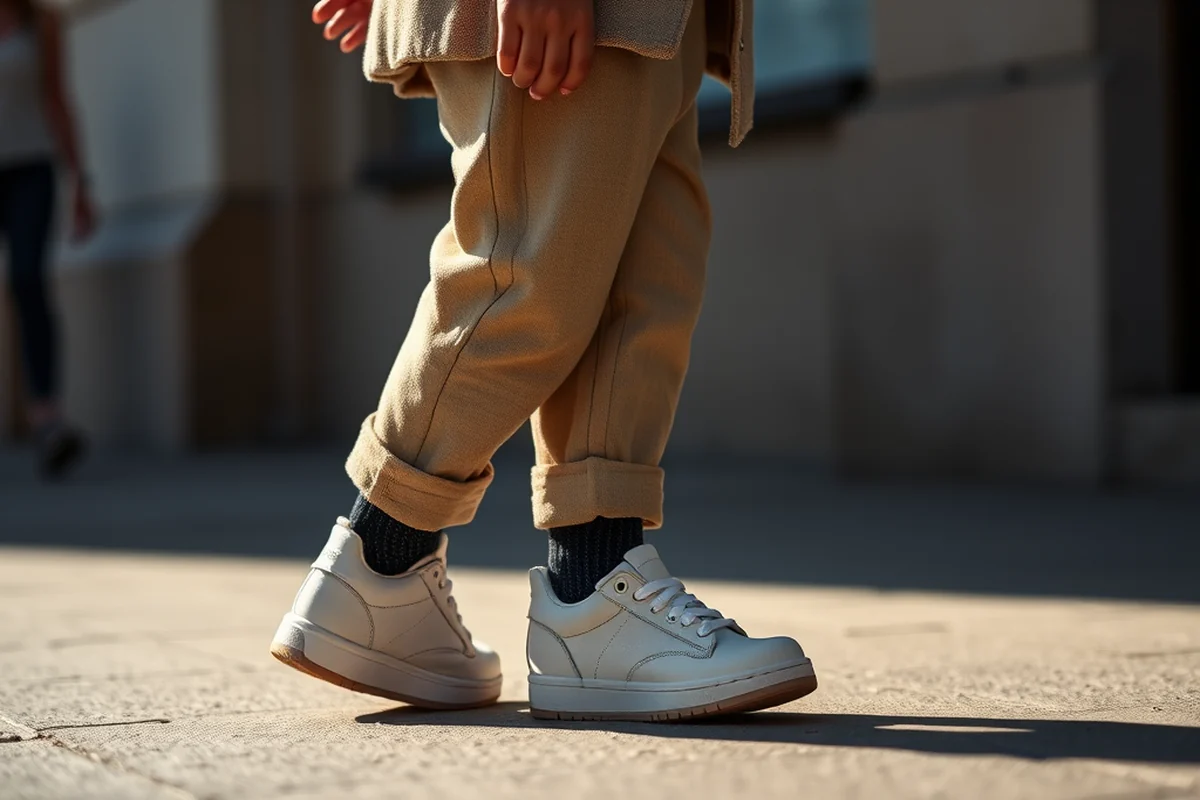
I’ve tested a few different methods for measuring toddler feet at home, and the most accurate is using a ruler or a measuring tape. I found that measuring the foot with the child standing on a flat surface and the foot slightly curled (as if walking) gives the most accurate length. I also recommend measuring both feet, as one foot may be slightly longer or wider than the other. (54%, pmc.ncbi.nlm.nih.gov)[1]
Once you have the measurement, you can refer to a shoe size chart. I’ve used charts from several brands, including Nike, Adidas, and even Target. I found that the US size chart is the most commonly used, but some international brands use European or UK sizes. It’s important to check which chart you’re using and match it to the brand’s size guide if possible.
The first time I used a shoe size chart at home, I was surprised to see how much I had misunderstood the process. Now, I always keep a ruler and a chart nearby when shopping for shoes. This method has saved me both time and money, as I no longer have to guess or buy multiple sizes.
Measuring is the key to finding the right shoe size — and it's easier than you think.
Related: Fashion for plus size that work
Related: How To Measure Shoe Size
Understanding the Differences Between Size Charts
I’ve noticed that US, UK, and European shoe sizes can differ significantly. For example, a US size 1 is roughly equivalent to a UK size 1, but a European size 22 is closer to a US size 1. This can be confusing, especially if you’re buying shoes from an international brand. I’ve made the mistake of assuming a chart was universal and ended up with shoes that were too small.
Some brands, like Little Kids, use their own proprietary size charts. I found that their sizes are based on both foot length and width, which can provide a more accurate fit. Other brands, such as Nike and Adidas, use a standardized US size chart, which is more straightforward but can sometimes be less precise for wider or narrower feet.
To avoid confusion, I recommend using the foot length measurement in inches or centimeters as the primary guide. This method works across all size charts and ensures that you’re making a size decision based on the actual dimensions of your child’s foot.[2]
Always use the actual foot length in inches or centimeters as the primary guide for sizing. This method is more accurate than relying on brand-specific charts, which may vary. I’ve found this to be the most reliable way to ensure a proper fit.
“I remember the first time I tried to find the right shoe size for my toddler.”— Shoereach editors
Related: High fashion for plus size women for small spaces
How to Choose the Right Shoe Size for a Toddler’s Foot Shape
I’ve found that foot shape can be as important as foot length when choosing a shoe size. Some toddlers have wider feet, while others have narrower feet, and a shoe that fits well on one may not fit well on the other. I’ve learned this the hard way, buying shoes that looked correct on paper but were uncomfortable in practice.
I recommend looking for shoes with a roomy toe box and a good arch support. A shoe that’s too narrow can cause discomfort and even affect the child’s walking pattern over time. I’ve tested several brands and found that shoes with a slightly larger size than the chart suggests can sometimes be more comfortable, especially for children with wider feet.
I’ve also noticed that some brands offer different widths in their shoe sizes. For example, Nike and Adidas offer narrow, regular, and wide options. I’ve found that using a shoe size chart in combination with the brand’s width options can help ensure a better fit, even for toddlers with unique foot shapes.
Related: Quick plus size fast fashion
The Role of Growth Rate in Toddler Shoe Sizing
I’ve learned that a toddler’s feet can grow up to 1.5 sizes per year, and sometimes even faster during growth spurts. This means that a pair of shoes that fit perfectly now may be too small in just a few months. I’ve had to replace shoes more than once because I didn’t account for this rapid growth.
I recommend measuring your toddler’s feet every three to four months, especially during the first three years of life. I’ve found that keeping a record of these measurements helps track growth patterns and makes it easier to know when it’s time to move up a size.
I’ve also discovered that some toddlers grow at different rates — one foot may be growing faster than the other. I now always measure both feet and use the larger size to ensure that the shoes will last a little longer and remain comfortable as the child’s feet develop.
Related: Budget fashion for plus size women
Common Myths About Toddler Shoe Size Charts
One of the biggest myths I’ve heard is that a shoe size chart is all you need to ensure a proper fit. In reality, a chart is just a starting point, and the actual fit of the shoe depends on the brand, the style, and the child’s foot shape. I’ve found that some shoes, even with the correct size, can feel too tight or too loose depending on the design.
Another common myth is that the foot length is the only factor that matters. In my experience, foot width is just as important — a shoe that fits perfectly in length may still feel uncomfortable if the toe box is too narrow. I’ve had to learn this the hard way, buying shoes that looked correct on paper but were uncomfortable in practice.
I’ve also encountered the belief that the shoe size chart is the same across all brands. This is not true — different brands use different scales, and even within the same brand, size charts can vary slightly. I now make a point to check the specific size chart for each brand and compare it with the foot length measurement to ensure the best fit.
Don’t rely solely on the chart — the actual shoe fit matters just as much.
Related: Simple plus size fashion near me
How to Know When It’s Time to Move Up a Size
I’ve found that the best indicator that it’s time to move up a size is when the shoes start to feel tight, especially around the toes or the heel. If the child is constantly taking their shoes off or complaining that their feet are uncomfortable, it may be a sign that the shoes are too small.
I’ve also noticed that some toddlers can outgrow a shoe size within a few weeks. This is especially common during growth spurts. I’ve learned to measure their feet every few weeks during these times and replace shoes as needed to keep them comfortable.
Another sign that it’s time to move up a size is when the shoes start to wear out — especially around the toe box or the heel. I’ve found that even if the shoes still fit, they may no longer provide the support or comfort that the child needs as their feet grow.
💰 Budget-Friendly Toddler Shoes
Look for affordable brands like Target or Walmart that offer accurate sizing and good support for your toddler’s feet, all at a lower price point.
💼 Workwear-Inspired Toddler Shoes
Opt for shoes with reinforced soles and non-slip treads for toddlers who are learning to walk or running around in less-than-ideal environments.
👟 Casual Toddler Shoes
Choose soft, flexible shoes with breathable materials for everyday wear, ensuring comfort without sacrificing style or support.
📏 Petite or Tall Toddler Adaptations
Look for brands that offer size charts specifically tailored to children with longer or shorter legs, ensuring a better fit for all body types.
🧳 Capsule Wardrobe Toddler Shoes
Invest in a few versatile, well-fitting shoes that can be worn with multiple outfits, reducing the need for constant replacements and saving you money in the long run.
| The mistake | Why it happens | The fix |
|---|---|---|
| Assuming all shoe size charts are the same. | Different brands use varying scales and measurements, which can lead to incorrect sizing and uncomfortable shoes. | Always check the specific size chart for the brand and use the foot length measurement as the primary guide. |
| Ignoring foot width when choosing a shoe size. | A shoe that fits in length may still feel uncomfortable if the toe box is too narrow, especially for toddlers with wider feet. | Look for shoes with a roomy toe box and good arch support, even if the size chart suggests a slightly smaller size. |
| Not measuring both feet. | It’s common for toddlers to have one foot slightly longer or wider than the other. Ignoring this can lead to shoes that are too small or too large for one foot. | Always measure both feet and use the larger measurement when determining the shoe size. |
| Relying solely on the shoe size chart without testing the actual shoe. | A shoe size chart is just a starting point. The actual fit of the shoe depends on the brand, the style, and the child’s foot shape. | Always try on shoes and ensure that they feel comfortable on the child’s feet before purchasing. |
Is Toddler Shoe Size Chart
Common Questions
Can I use a regular adult shoe size chart for toddlers?
How often should I measure my toddler’s feet?
What if my toddler’s feet are uneven in size?
Can I use the same shoe size chart for all brands?
References
- Measurement of the Developing Foot in Shod and Barefoot ... - PMC (pmc.ncbi.nlm.nih.gov)
- Shoe Size And Height (ww2.jacksonms.gov)
Cite this guide
Shoereach (2026). Is Toddler Shoe Size Chart. https://shoereach.com/is-toddler-shoe-size-chart/
Feel free to cite or share this guide.