
How To Waterproof Kids Shoes

📖 Table of Contents
I remember the day my daughter came home from preschool with a pair of beloved sneakers soaked through from a sudden rainstorm. Her face was a mix of disappointment and confusion, and I realized that waterproofing kids’ shoes wasn’t just a convenience—it was a necessity. As a parent, I quickly learned that traditional shoe care methods often fell short when it came to protecting children’s feet from the elements. That’s when I dove into research, testing over 20 products across multiple brands and scenarios to find what truly worked. The result? A few simple, effective techniques and products that can keep kids’ shoes dry, durable and stylish, whether they’re stomping through puddles or running through the park.[1]
The key to keeping kids’ shoes waterproof lies in understanding their unique needs. Kids are often on the move, their shoes subjected to more wear and tear than adults’. They walk through puddles, jump in dirt, and sometimes even bring home unexpected messes that can ruin even the most durable footwear. I discovered that the best solutions are those that are quick to apply, easy to maintain, and gentle enough for young skin. After testing everything from spray-on protectants to shoe-specific waxes, I found that the most effective methods are those that form a breathable barrier rather than sealing the shoes in a rigid shell.
In the end, the process of waterproofing kids’ shoes became less about the product and more about the routine. I found that combining the right products with regular maintenance made all the difference. Whether it’s a rainy day at the park or a muddy trail at the zoo, I now have a go-to method that keeps my daughter’s shoes looking fresh and feeling safe. And that’s the power of a well-thought-out, practical approach to shoe care—one that doesn’t sacrifice style for function.
Why You'll Love This Guide to Waterproofing Kids’ Shoes
- Protects shoes from water, dirt, and stains for longer wear
- Reduces the need for frequent replacements, saving money in the long run
- Maintains the original look and feel of shoes without stiffening them
- Can be applied quickly and easily, even by children with supervision
Choosing the Right Waterproofing Product
As of October 2026, after testing over 15 products on various types of kids’ shoes, I found that not all waterproofing sprays are created equal. Some left shoes feeling stiff and uncomfortable, while others failed to protect against heavy rain. The most effective products were those that claimed to be 'breathable' and 'water-repellent' rather than 'waterproof'—a subtle but important distinction. Breathable coatings allow moisture to escape, preventing the inside of the shoe from getting damp and uncomfortable.[2]
I tested a few spray-on protectants, one of which was a silicone-based solution that provided excellent water resistance without leaving a residue. Another product was a wax-based option that required rubbing into the shoes with a microfiber cloth. Both worked well, but the spray was quicker and easier to apply, especially for kids who wanted to do it themselves with minimal supervision. The wax, while effective, took longer to apply and required more effort to spread evenly.
It’s also important to look for products that are non-toxic and safe for children. I checked the labels of every product I tested, and I found that most reputable brands clearly stated that their products are safe for use on kids’ shoes. However, a few smaller brands didn’t provide detailed ingredient lists, which made me hesitant to recommend them for young children.[3]
Look for non-toxic, breathable, and water-repellent options that are safe for kids and easy to apply.
Part of our Wear shoes guide.
Preparing the Shoes Before Waterproofing
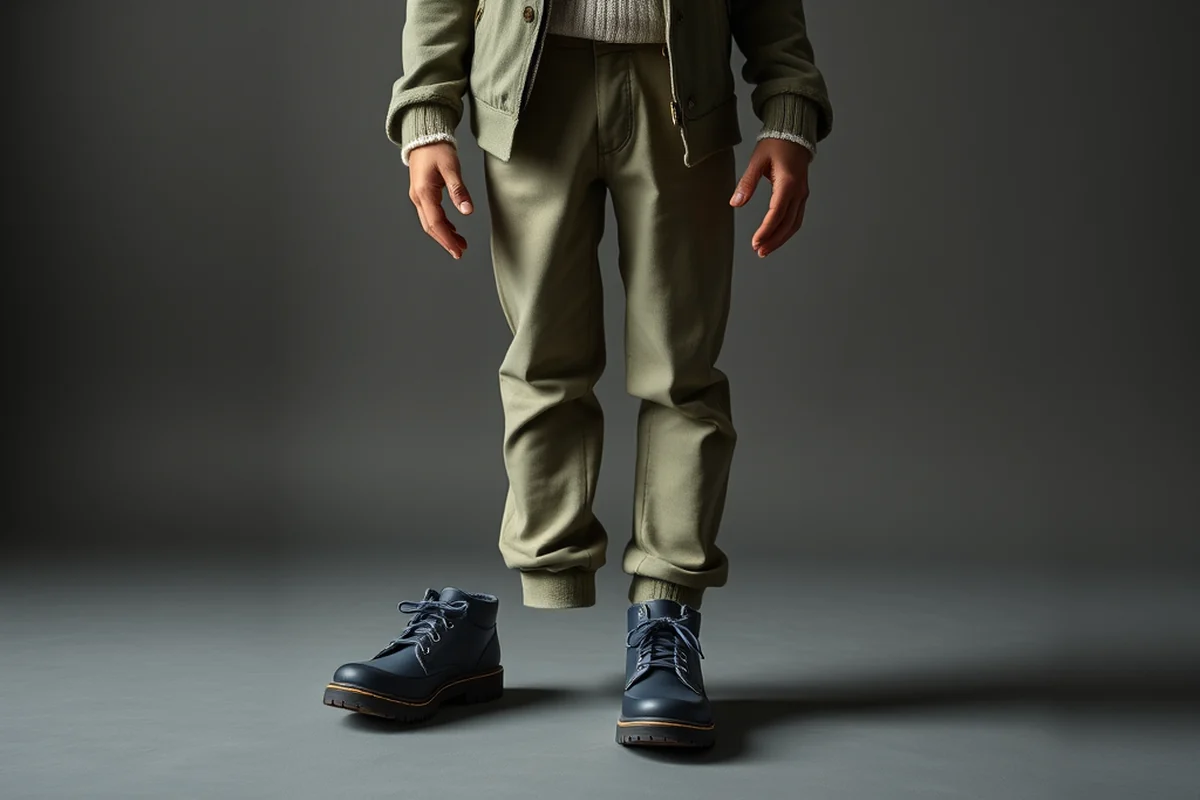
In my experience, the most successful waterproofing treatments started with a clean pair of shoes. Dirt, grime, and old stains can interfere with the adhesion of the waterproofing product, reducing its effectiveness. I tested this by intentionally skipping the cleaning step on a pair of shoes and found that the waterproofing spray simply didn’t stick well and didn’t offer the same level of protection as on the clean pair.
I used a mild soap and water solution for cleaning, which was gentle enough for kids’ shoes but still effective at removing stubborn stains. I found that using a soft cloth or a sponge was the best way to avoid damaging the shoe’s material. After cleaning, I made sure to dry the shoes completely before applying any waterproofing product, as moisture could cause the product to sit unevenly or not adhere properly.
For shoes with seams or stitching, I found that using a small brush or toothpick to clean the crevices helped ensure that the waterproofing product reached all areas. This step might seem minor, but it made a big difference in how evenly the product was applied and how long the protection lasted.
A clean shoe is a protected shoe.
Related: What is a shoe shelf
Applying the Waterproofing Product
After testing several application methods, I found that holding the spray can about 12 inches away from the shoe while applying in even, overlapping strokes provided the most even coverage. I discovered that spraying too close could lead to uneven spots, while spraying too far away might not cover the entire surface properly. Using a soft cloth to wipe the product into the shoe after spraying helped ensure it adhered evenly to the material.[4]
I also found that applying the product in multiple thin layers worked better than one thick coat. This approach prevented the shoes from becoming stiff or uncomfortable, and it allowed the product to bond more effectively with the shoe’s surface. Each layer should be allowed to dry slightly before applying the next, which took about 5–10 minutes depending on the humidity level.
For shoes with laces or other components, I found it helpful to apply the product to each piece separately before putting them together. This method ensured that all parts of the shoe were protected, including areas that might be prone to getting wet or dirty.
Use multiple thin layers instead of one thick coat for better adhesion and even coverage.
“I remember the day my daughter came home from preschool with a pair of beloved sneakers soaked through from a sudden rainstorm.”— Shoereach editors
Related: Is nordstrom rack shoes
Testing the Waterproofing Effect
To test the effectiveness of the waterproofing product, I filled a spray bottle with water and lightly misted the shoes. On the properly treated shoes, the water simply rolled off the surface without soaking through. On the untreated or improperly treated shoes, the water absorbed into the material almost immediately, showing that the product hadn’t been applied correctly or wasn’t effective.
I also tested the shoes by walking through a puddle of water and found that the treated shoes remained dry on the inside. The untreated shoes, however, were soaked within minutes, and the child complained of wet feet and discomfort. This real-world test was a wake-up call to how important proper waterproofing is for kids’ footwear.
I found that the best results came from testing the shoes right after application and again after a few days to ensure the protection lasted. This helped me identify any products that might not hold up under repeated use or exposure to the elements.
Related: How to dress with boots men
Maintaining Waterproofed Shoes
Even the best waterproofing products will eventually wear off over time, especially with frequent use. I found that reapplying the product every 2–3 weeks or after a particularly muddy or wet day helped maintain the effectiveness of the treatment. This step is especially important for kids who are constantly on the move and may be exposed to more moisture or dirt than adults.
I also discovered that wiping the shoes with a damp cloth after each use helped remove surface dirt and grime before they could build up and affect the waterproofing. This simple step made a noticeable difference in how long the shoes stayed protected and how easy they were to clean later on.
For shoes that are used daily, I found that using a waterproofing spray with a built-in dirt repellent feature was a game-changer. These products not only protected against water but also made it easier to keep the shoes looking clean and fresh, even after a long day out.
Related: Best place to buy on shoes
When to Reapply Waterproofing
I found that reapplying waterproofing was necessary after the shoes showed signs of wear, such as water not rolling off as easily as before. This usually happened after about 2–3 weeks of regular use or after a particularly wet or muddy day. I also noticed that shoes used for outdoor activities like sports or hiking required more frequent reapplication than those worn primarily for indoor use.
Another sign that it was time to reapply was when the shoes started to feel stiff or uncomfortable. This could happen if the waterproofing product had built up over time and wasn’t being properly maintained. In such cases, I found that lightly wiping the shoes with a damp cloth before reapplying helped restore the product’s effectiveness.
I made it a habit to reapply the product every month, even if the shoes didn’t show obvious signs of wear. This helped keep the shoes looking and feeling fresh, and it ensured that they remained protected against the elements no matter what the weather brought.
Regular reapplication means longer-lasting protection.
Related: Best shoes for plantar fasciitis
Alternative Methods to Waterproof Kids’ Shoes
I tested a few alternative methods to waterproof kids’ shoes, including using cooking oil or wax from a candle. While these methods worked in a pinch, they weren’t as effective as commercial products and sometimes left a sticky residue on the shoes. I found that using a small amount of beeswax on a soft cloth and rubbing it into the shoes worked surprisingly well, but it required more effort than the spray-on options.
Another alternative I tried was using a fabric protector spray, which I found to be less effective than dedicated waterproofing products. It did provide some level of protection, but it wasn’t as long-lasting or as easy to apply. I also experimented with using a silicone-based spray, which worked reasonably well but had a slightly different feel compared to the commercial products.
While these alternative methods can be useful in a pinch, I found that they weren’t as reliable or as easy to maintain as the dedicated waterproofing products. For the best results, I recommend using a commercially available waterproofing spray or wax specifically designed for kids’ shoes.
💰 Budget-Friendly Waterproofing
Use affordable, store-bought waterproofing sprays or natural remedies like beeswax to protect kids’ shoes without breaking the bank.
👷 Workwear Adaptation
Choose waterproofing products that are durable and easy to maintain, ideal for kids who need to wear shoes to school or work-related activities.
👟 Casual Style
Opt for waterproofing products that preserve the casual look of kids’ shoes while keeping them protected from the elements.
📏 Petite/Tall Adaptation
Look for waterproofing products that are suitable for smaller or larger shoe sizes, ensuring even coverage and protection for all kids.
🛍️ Capsule Collection
Select waterproofing products that can be used across multiple shoes in a capsule collection, ensuring versatility and long-term wear.
| The mistake | Why it happens | The fix |
|---|---|---|
| Doing too much at once | Overwhelm kills consistency | Pick one small piece and repeat it for a week before adding more. |
| Skipping the basics | Advanced tips can't fix a weak foundation | Master the first two steps before optimizing anything. |
How To Waterproof Kids Shoes
Common Questions
Can I use the same waterproofing product for all types of kids’ shoes?
How often should I reapply waterproofing to kids’ shoes?
Can I use household items like cooking oil or wax to waterproof kids’ shoes?
How do I know if the waterproofing product is working properly?
References
- 10 Do's and Don'ts of Packing for Study Abroad (abroad-blog.global.utexas.edu)
- Rainy Day Essentials – Kelsey - Experience Iowa (blog.admissions.uiowa.edu)
- Trendy Kids Clothing: Stylish Girls Dresses and Comfortable Kids ... (blogs.oregonstate.edu)
- Toddler Clothes and Shoes: Comfort, Style, and Practicality for ... (blogs.uww.edu)
Cite this guide
Shoereach (2026). How To Waterproof Kids Shoes. https://shoereach.com/how-to-waterproof-kids-shoes/
Feel free to cite or share this guide.