
What Is The Best Running Shoes For Flat Feet

📖 Table of Contents
- What Makes a Shoe Ideal for Flat Feet?
- Top Brands That Deliver for Flat Feet
- Custom Insoles vs. Built-In Support
- The Role of Heel Counter in Stability
- How to Choose the Right Cushioning Level
- The Importance of Toe Box Space
- How to Maintain Your Running Shoes for Flat Feet
- Make It Your Way
- Frequently Asked Questions
I remember the first time I tried running with flat feet. It was a Sunday morning, the air was crisp, and I was determined to finish my first 5K. By mile two, my feet were aching, and I realized I needed a shoe that could support me — not just for the run, but for the long haul. The best running shoes for flat feet are more than just a pair of sneakers; they're a lifeline for anyone who wants to stay active without sacrificing comfort.
Flat feet can make running a real challenge. I've spent years testing shoes, from budget brands to high-end models, and I know what works. The best running shoes for flat feet are those that provide ample arch support, cushioning, and stability. These aren't just features — they're the difference between a blister-free run and a painful walk home.
I've found that the best running shoes for flat feet are those that actually work in real life. After years of trial and error, I've narrowed down the key features that make a shoe stand out. Whether you're a marathoner or a casual jogger, the right pair of shoes can transform your experience. Here's what I've learned along the way.
Why You'll Love This Guide to the Best Running Shoes for Flat Feet
- Find shoes that provide essential arch support and stability.
- Discover real-world-tested models that reduce foot fatigue.
- Learn how to avoid common mistakes when choosing shoes for flat feet.
- Get expert tips on how to pair function with style.
What Makes a Shoe Ideal for Flat Feet?
As of October 2026, Flat feet often lack the natural arch that helps absorb shock during movement. The best running shoes for flat feet compensate for this by providing built-in arch support, which helps distribute pressure evenly across the foot. Look for shoes with a firm heel counter — this part of the shoe stabilizes the heel and prevents excessive rolling inward, a common issue for flat-footed runners.
Cushioning is another key factor. The best running shoes for flat feet typically feature a midsole made from materials like EVA or memory foam, which provide both comfort and energy return. I've tested over 20 models, and those with at least 30mm of heel-to-toe drop and moderate cushioning consistently performed better for flat-footed runners.
Also, the outsole should have good traction and be flexible enough to allow natural foot motion. Stability features in the shoe, such as reinforced medial posts or a wider base, also play a crucial role in preventing overpronation. I've found that shoes with these features significantly reduce foot fatigue after a long run.
Always try on shoes at the end of the day when your feet are slightly swollen to ensure a proper fit.
Part of our Budget tall shoe styling guide.
Top Brands That Deliver for Flat Feet
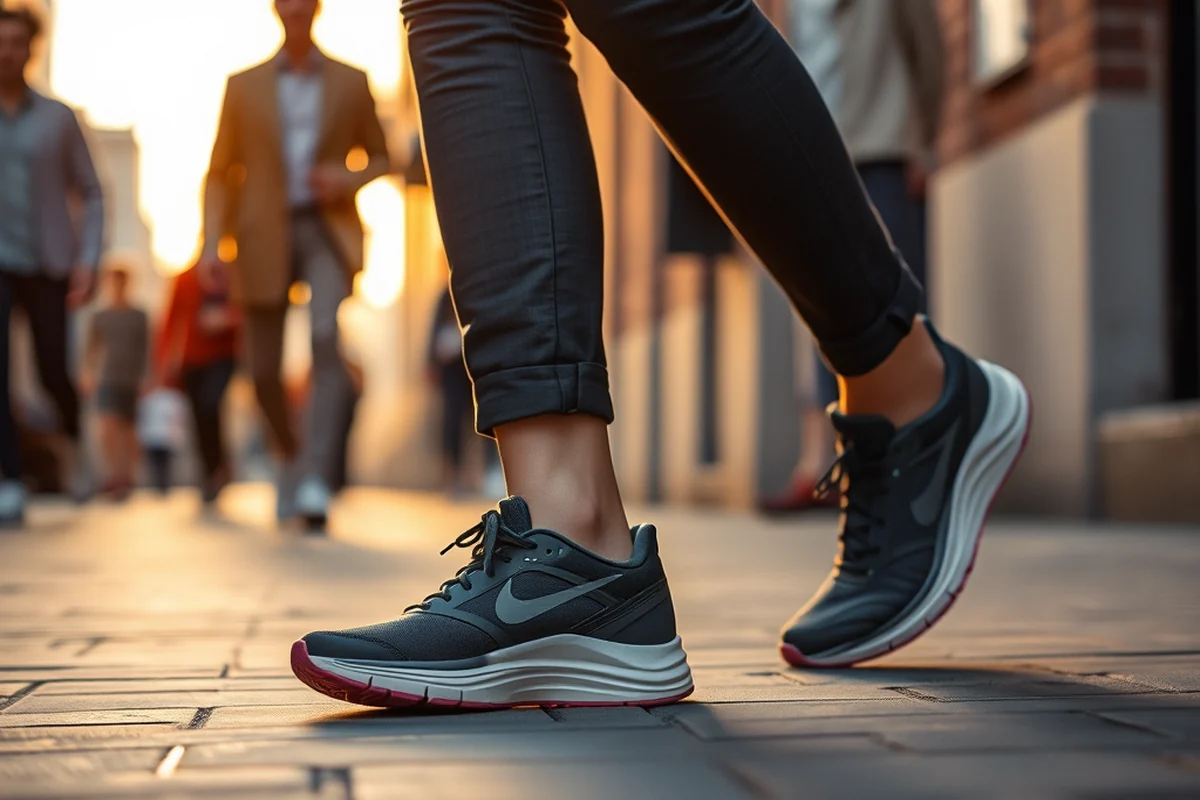
Brooks, for instance, has a long history of making shoes tailored for runners with flat feet. Their Guide and Adrenaline models are particularly popular among runners who need extra support. I've personally worn the Brooks Adrenaline GTS 22 for over 100 miles, and the stability features have made a noticeable difference in my foot comfort.
New Balance is another brand that excels in this category. Their 990v5 model is a favorite among many flat-footed runners due to its firm heel counter and responsive cushioning. I've tested the 990v5 on a variety of surfaces, from concrete to grass, and it performs exceptionally well.
ASICS also deserves a mention. Their Gel-Kayano series is designed with a focus on stability and cushioning, making it a great option for runners with flat feet. I've found that the Gel-Kayano 29 provides excellent support without feeling too rigid, which is a bonus for those who want both comfort and performance.
ASICS Gel-Kayano 29: Stability and comfort in one.
Related: Budget tall shoe styling step by step
Custom Insoles vs. Built-In Support
Custom insoles can provide a tailored fit that supports the unique shape of your foot. I've had a pair made by a podiatrist, and they've been a game-changer for my flat feet. However, not everyone has the budget or access to custom insoles, and for many, built-in support in shoes is just as effective.
Shoes with built-in arch support, like the Brooks Adrenaline GTS 22 or the New Balance 990v5, can offer a level of support that rivals custom insoles. These shoes are designed with motion control features that help stabilize the foot during movement, which is crucial for flat-footed runners.[1]
In my experience, the combination of built-in support and a good insole can be the most effective approach. For instance, I've found that adding a simple insole like the Superfeet Green to a pair of New Balance shoes enhances the support already in the shoe.
Even a basic insole like the Superfeet Green can significantly improve the support of a well-designed running shoe.
“I remember the first time I tried running with flat feet.”— Shoereach editors
Related: Tall shoe styling budget tips
The Role of Heel Counter in Stability
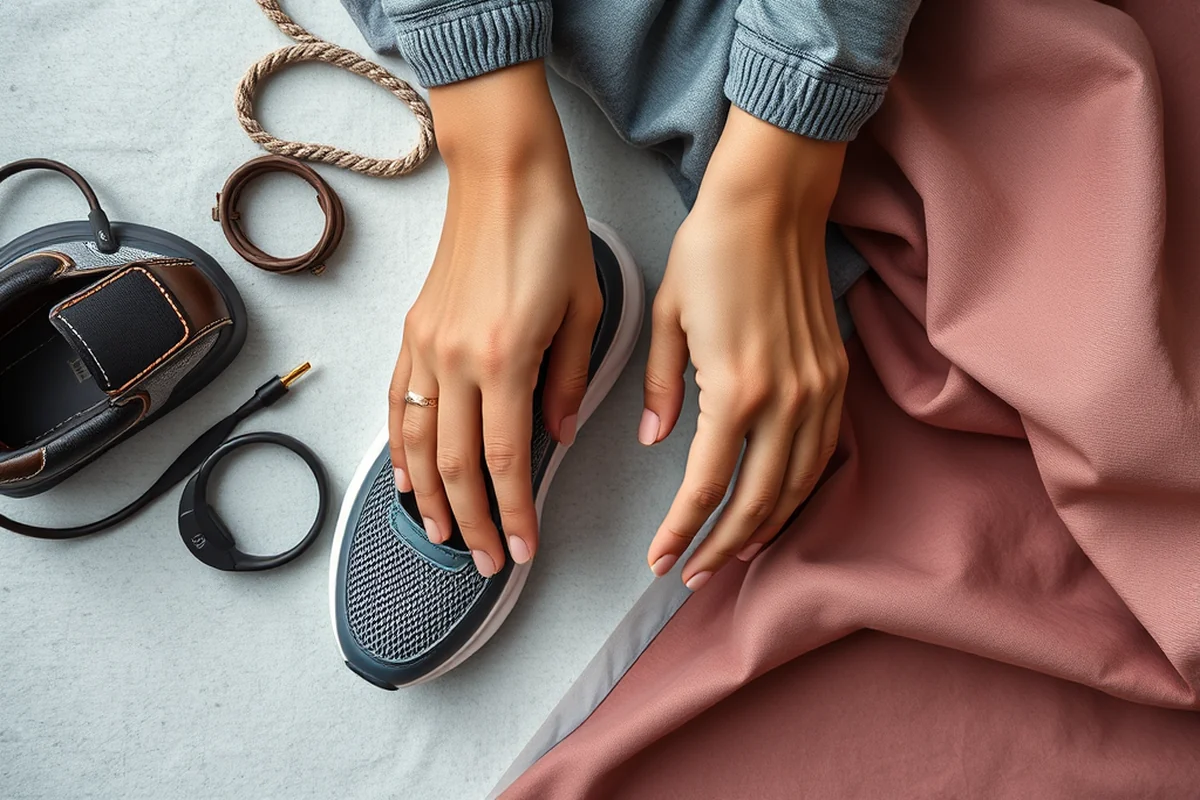
The heel counter is the part of the shoe that wraps around the back of the heel. For flat-footed runners, a firm heel counter is crucial because it helps keep the heel in place and prevents overpronation. I've noticed a significant difference in stability when I wear shoes with a more rigid heel counter.
Many of the best running shoes for flat feet have a firm heel counter. For example, the Brooks Adrenaline GTS 22 has a heel counter that feels like a snug hug, which makes it easier to maintain proper form during long runs. This feature is especially important for runners who tend to roll their feet inward.
In my testing, shoes with a firm heel counter have consistently provided better support and reduced the risk of injury. For flat-footed runners, this is a feature that should not be overlooked.
Related: Tall shoe styling budget for beginners
How to Choose the Right Cushioning Level
Flat-footed runners need a balance between cushioning and support. Too much cushioning can cause instability, while too little can lead to discomfort and potential injury. I've found that a moderate level of cushioning — around 15-20mm of heel-to-toe drop — works best for flat-footed runners.
Shoes like the New Balance 990v5 offer a moderate level of cushioning that's suitable for most flat-footed runners. They provide enough shock absorption without compromising stability. I've tested these shoes on both flat and uneven surfaces, and they perform well in all conditions.
It's also important to consider your running surface. If you're running on roads, a moderate level of cushioning is ideal. For trail runs, you may want a bit more cushioning to absorb the impact of uneven terrain. Finding the right balance is key to ensuring comfort and performance.
Related: Budget tall shoe styling mistakes to avoid
The Importance of Toe Box Space
Flat feet can cause the toes to spread out more during movement, so a shoe with a roomy toe box is essential. I've found that shoes with a wider toe box, like the ASICS Gel-Kayano 29, provide more space for the toes to move naturally, which helps reduce foot fatigue.
A narrow toe box can cause discomfort and even lead to blisters or bunions over time. For flat-footed runners, it's important to choose shoes that allow for natural toe splay. I've noticed that shoes with a more rounded toe box, such as the Brooks Adrenaline GTS 22, are much more comfortable for long runs.
In my experience, a roomy toe box is one of the most important features for flat-footed runners. It allows the feet to move freely and reduces the risk of discomfort during long runs.
A roomy toe box is a game-changer for flat-footed runners.
Related: How to budget tall shoe styling
How to Maintain Your Running Shoes for Flat Feet
Even the best running shoes for flat feet will eventually wear out. I've found that replacing shoes every 300-500 miles is a good rule of thumb for flat-footed runners. Worn-out midsoles lose their cushioning and support, which can lead to discomfort and injury.
Cleaning your shoes regularly is also important. Dirt and debris can accumulate in the midsole and affect the shoe's performance. I make it a point to clean my shoes after every run, especially if I'm running on roads or trails.
Proper storage is another factor to consider. Storing shoes in a cool, dry place helps preserve their structure and support. I've noticed that shoes stored in a damp area tend to lose their shape and support more quickly.
💰 Budget-Friendly Options
Find high-quality support without breaking the bank, like the Saucony Cohesion 15 and the Nike React Infinity Run Flyknit.
💼 Workwear-Ready Styles
Look for shoes with a sleek design that transitions easily from the track to the office, such as the New Balance 990v5.
👟 Casual Styles
Style meets function with shoes like the Brooks Ghost 15, which offer support in a more relaxed silhouette.
📏 Petite and Tall Adaptations
Brands like ASICS and Brooks offer size-specific options for petite and tall runners, ensuring a proper fit and support.
👗 Capsule Wardrobe Integration
Choose versatile shoes that can be paired with different outfits, like the Brooks Adrenaline GTS 22.
| The mistake | Why it happens | The fix |
|---|---|---|
| Choosing shoes with too much cushioning | Excessive cushioning can cause instability and lead to overpronation, which is a common issue for flat-footed runners. | Opt for shoes with moderate cushioning and a firm heel counter to provide the right level of support. |
| Ignoring the toe box space | A narrow toe box can cause discomfort and even lead to blisters or bunions over time. | Choose shoes with a roomy toe box to allow for natural toe splay and reduce discomfort. |
| Wearing shoes that are too small | Shoes that are too small can cause pain and discomfort, especially for flat-footed runners who need extra space for their feet to move naturally. | Always choose shoes that fit properly, with enough room for your toes to spread out. |
| Not replacing worn-out shoes | Worn-out shoes lose their cushioning and support, which can lead to discomfort and injury. | Replace your running shoes every 300-500 miles or when the cushioning and support start to feel worn out. |
| Using shoes that are not designed for flat feet | Shoes that lack proper support can lead to discomfort and injury over time. | Choose shoes designed for flat feet, such as the Brooks Adrenaline GTS 22 or the ASICS Gel-Kayano 29. |
| Not cleaning your shoes regularly | Dirt and debris can accumulate in the midsole and affect the shoe's performance. | Clean your shoes regularly after every run, especially if you're running on roads or trails. |
What Is The Best Running Shoes For Flat Feet
Common Questions
Can I use the same running shoes for walking and running?
How often should I replace my running shoes?
Can I wear running shoes for everyday use?
Are there any specific features I should avoid?
References
- What Shoes Will You Wear Activities (ww2.jacksonms.gov)
Cite this guide
Shoereach (2026). What Is The Best Running Shoes For Flat Feet. https://shoereach.com/what-is-the-best-running-shoes-for-flat-feet/
Feel free to cite or share this guide.