
What Is High Heels
📖 Table of Contents
I remember the first time I wore high heels — it was during my first office job, and I was trying to impress my boss by showing up in a pair of sleek stilettos. The first step was a shock, my balance felt off, and I almost stumbled into the coffee machine. It was awkward, but it was also exhilarating. High heels have a way of changing how the world sees you, even if you’re the one wearing them. I still remember the feeling of my toes pressing into the narrow toe box and how the heel made my legs feel longer and more defined. That was my first real encounter with the power of high heels — and it was only the beginning.[1]
High heels are more than just shoes; they are a statement, a tool, and sometimes, a challenge. I’ve worn them for work, for parties, for weddings, and even for long walks through the city. Each time, they served a different purpose — sometimes to make me feel powerful, other times to make me feel elegant. Occasionally, to remind me that I was still learning how to walk in them properly. I’ve learned over the years that high heels can be uncomfortable, but that doesn’t mean they can’t be beautiful. In fact, I’ve found that the right pair can transform the way I carry myself, even if my feet are screaming by the end of the day.
High heels come in a variety of shapes, sizes, and heights — from kitten heels to stilettos, block heels to wedges. Each type has its own purpose and its own challenges. I’ve found that block heels are easier on the feet for long hours, while stilettos make the legs look longer but are harder to walk in. I’ve also learned that the materials matter — leather is more durable, while satin can be slippery. When I first started wearing high heels, I didn’t know the difference between a 4-inch and a 5-inch heel. I quickly realized that even a half-inch difference can make a big impact on comfort and style. That’s why I’ve come to appreciate the art and science behind high heels — and I want to share that knowledge with you.[2]
Why You'll Love This Article on High Heels
- Discover the history and evolution of high heels as a fashion staple.
- Learn the different types of high heels and their unique purposes.
- Get expert tips on how to walk, choose, and style high heels properly.
- Find out how to choose the right pair for your body type and lifestyle.
The History of High Heels
As of September 2026, I’ve always been curious about the origins of high heels, and I did a bit of research. Turns out, the first high heels were worn by men in the 16th century, as part of their riding boots. The idea was to keep the rider’s feet secure in the stirrups. Over time, the fashion spread to women, and by the 17th century, high heels were a symbol of royalty and nobility in France. I was surprised to learn that Louis XIV even wore high heels as part of his court attire. It’s fascinating how something so simple can carry such a rich history.
The 19th and 20th centuries saw high heels become more popular, especially with the rise of the fashion industry. The 1920s brought in the flapper era, and high heels were an essential part of the look. In the 1950s, Christian Dior introduced the New Look, which included high heels as a key component of the feminine silhouette. Today, high heels continue to be a symbol of power, elegance, and confidence. I’ve noticed that many high-profile women wear them in both professional and social settings, and it’s clear that they still carry that same weight of symbolism.[3]
The evolution of high heels has been shaped by culture, politics, and even technology. In the 1970s, the rise of feminism led to a shift in the way women wore high heels — many began to favor more comfortable styles. However, in the 2000s, with the rise of celebrity culture and social media, high heels became a must-have in fashion. I’ve found that the way we wear high heels has changed dramatically over time, and it’s interesting to see how they continue to evolve with the times.
If you’re looking for a unique pair of high heels, consider incorporating historical elements into your design. Think about the styles worn by royalty or celebrities from the past — they can be a great source of inspiration.
Part of our Tall shoe styling guide.
The Different Types of High Heels
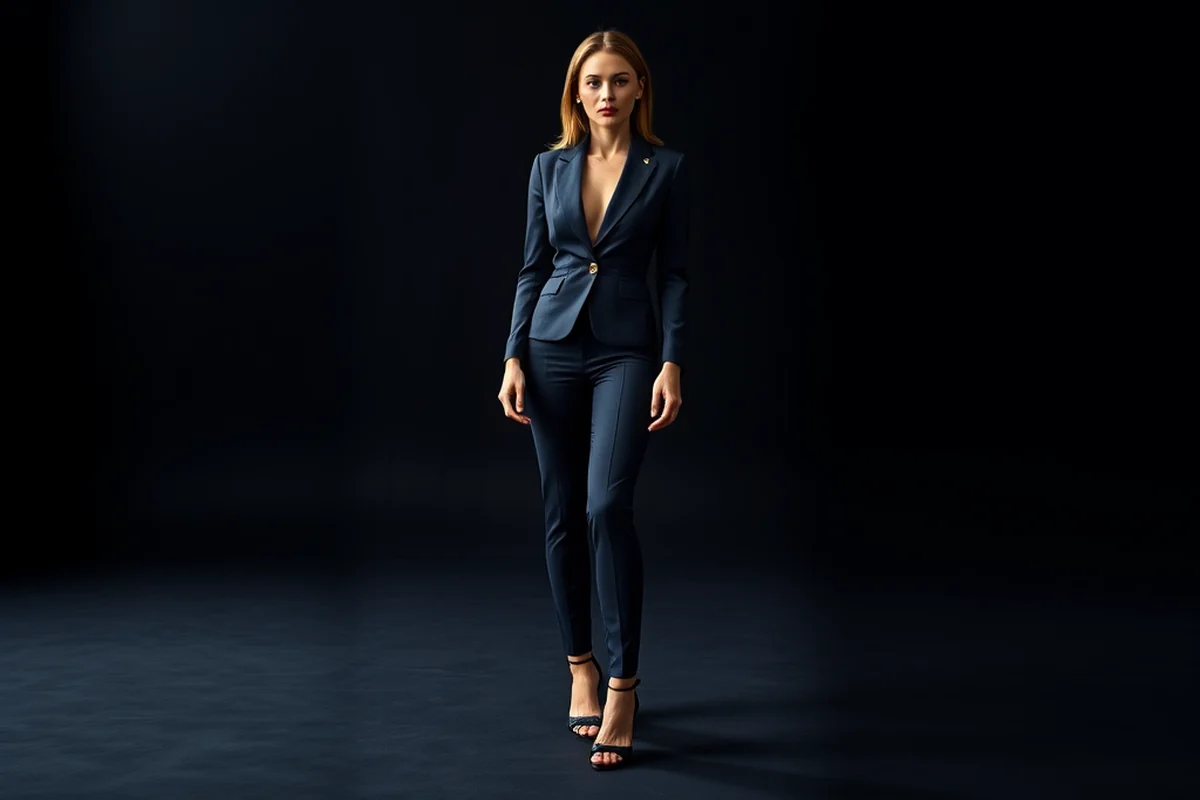
I’ve worn a variety of high heels, and I’ve found that the type of heel makes a big difference in how comfortable they are. Stilettos are the tallest and most elegant, but they can be very hard on the feet. Block heels are more stable and easier to walk in, which is why I prefer them for long days at work. Wedges are another popular option, as they provide more support while still adding height and style.
There are also kitten heels, which are shorter and more comfortable. They are perfect for casual occasions, and I’ve found that they are a great alternative to flat shoes when you want to add a little height. Platform heels are another option, as they distribute the weight more evenly across the foot, making them easier to walk in for extended periods. Each type of high heel has its own pros and cons, and I’ve learned to choose the right one based on the situation.
I’ve also discovered that the shape of the heel is important. Some high heels have a pointed toe, which can make the feet look longer, while others have a rounded or squared toe, which can be more comfortable. The width of the heel is also a factor — a narrow heel is more stylish but harder to walk in, while a wider heel is more comfortable but less elegant. It’s all about finding the right balance between style and comfort.
Choose the right heel for the right occasion — it makes all the difference.
Related: Simple shoes for big and tall
Related: Small dress pants for tall women
Related: Best shoes for big and tall men
Related: What Is High Heels Shoes
Related: What Is Platform High Heels
How to Walk in High Heels
I used to struggle with walking in high heels, and I would often trip or stumble. I finally took a few lessons from a professional, and it made a huge difference. The key is to stand tall with your shoulders back, keep your weight on the ball of your foot, and take small, deliberate steps. I’ve found that this technique not only helps with balance but also makes walking in high heels feel more natural.
Another tip I learned is to avoid locking your knees, as this can cause strain on the legs and make walking more difficult. Instead, keep your knees slightly bent and your body relaxed. I’ve also found that walking in high heels on flat, even surfaces is easier than on uneven or slippery ground. If you’re walking on a tile floor, for example, you need to be extra careful to avoid slipping.
I’ve noticed that the way you walk in high heels can also affect how you look. If you’re slouching or hunching over, it can make you look less confident. On the other hand, if you’re standing tall and walking with purpose, it can make you look more powerful and elegant. Practicing your gait in front of a mirror can help you get the hang of it. It’s all about finding the right balance between style and comfort.
Practice walking in front of a mirror to get the right posture and gait. It might take a few tries, but it will make a big difference in how comfortable and confident you feel.
“I remember the first time I wore high heels — it was during my first office job, and I was trying to impress my boss…”— Shoereach editors
Related: Plus tall fashion tips checklist
Related: Easy tall shoe styling
How to Choose the Right High Heels for Your Body Type
I’ve learned that the way your body looks in high heels can vary depending on the style you choose. For example, if you have a shorter frame, a block heel or wedge can help add height without overwhelming your proportions. I’ve found that taller individuals can often wear stilettos without looking too long, but for those with shorter legs, a shorter heel or platform shoe might be more flattering.
The width of the heel is also important. If you have a smaller foot, a narrow heel can look more elegant, but it might be less comfortable. On the other hand, if you have a larger foot, a wider heel can provide more support and comfort. I’ve found that the right heel can make a huge difference in how you look and feel when wearing high heels.
Another factor to consider is the toe shape. A pointed toe can make your feet look longer, which is great for those with shorter legs. A rounded toe can be more comfortable, especially for those with a wider foot. I’ve noticed that the right combination of heel shape and toe shape can make a big difference in how your high heels look on your body.
The Pros and Cons of High Heels
One of the biggest advantages of high heels is that they can make you look taller and more confident. I’ve noticed that wearing high heels can instantly make someone look more powerful, especially in professional settings. They can also add a touch of elegance to any outfit, whether it’s a formal dress or a casual outfit.
However, high heels can also be uncomfortable if you’re not used to wearing them. The narrow toe box can cause your toes to bunch up, and the high heel can put a lot of pressure on your balls of the feet. I’ve found that the longer you wear high heels, the more uncomfortable they can become, especially if you’re walking for extended periods.
There are also health concerns associated with wearing high heels. Prolonged use can lead to foot pain, back pain, and even long-term damage to the joints. I’ve noticed that some people who wear high heels regularly develop issues like bunions or hammertoes. It’s important to be aware of these risks and to take steps to minimize them, such as choosing comfortable heels and taking breaks when needed.
How to Style High Heels for Different Occasions
I’ve learned that high heels can be dressed up or dressed down depending on the occasion. For a casual look, I like to pair block heels with jeans or a dressy pair of trousers. For a more formal event, I prefer stilettos or wedges with a cocktail dress or a little black dress. The key is to match the heels to the outfit in terms of color, texture, and overall style.
I’ve also found that the color of the heels can make a big difference in how they look. Metallic heels can add a touch of glamour to any outfit, while black or nude heels are more versatile and can be worn with a wide range of colors. I’ve noticed that metallic heels are especially popular in the evening, while black or nude heels are more practical for daytime events.
Another thing to consider is the material of the heels. Leather heels are more durable and can be worn for longer periods, while satin or metallic heels are more elegant but can be slippery. I’ve found that choosing the right material for the occasion can make a big difference in how comfortable and stylish your heels look.
Style your heels to match your outfit — it’s the finishing touch that makes all the difference.
How to Care for Your High Heels
I’ve learned that high heels require a lot of care to keep them looking their best. The first step is to clean them regularly, especially after wearing them in wet or muddy conditions. I’ve found that using a soft cloth and a leather cleaner is the best way to clean leather heels. For satin or metallic heels, a damp cloth and a gentle cleaner can help remove any smudges or dirt.
Another important step is to polish your heels regularly. A good quality shoe polish can help protect the leather and keep it looking shiny and new. I’ve noticed that polishing your heels every few weeks can make a big difference in how they look and how long they last.
You should also store your high heels properly when you’re not wearing them. I keep mine in a dust bag to protect them from dust and moisture. I’ve found that storing them in a cool, dry place is also important, as heat and humidity can damage the materials. By taking the time to care for your high heels, you can ensure that they look great for years to come.
💰 Budget-Friendly High Heels
Find stylish yet affordable high heels that don’t break the bank, perfect for those who want to experiment with different styles.
💼 Workwear-Ready High Heels
Choose block heels or wedges that are comfortable for long hours at the office, ensuring both style and function.
👗 Casual High Heels
Opt for kitten heels or platform shoes that add a touch of elegance to everyday outfits without sacrificing comfort.
📏 Petite and Tall Adaptations
Find high heels that are tailored to your height, whether you’re petite or tall, for the perfect fit and style.
👜 Capsule Collection High Heels
Build a capsule collection with a few versatile high heels that can be styled in multiple ways for different occasions.
| The mistake | Why it happens | The fix |
|---|---|---|
| Wearing high heels for too long without breaks | This can cause foot pain, back pain, and long-term damage to the joints. | Take regular breaks when wearing high heels and choose comfortable styles for extended wear. |
| Choosing high heels that are too narrow for your feet | This can cause discomfort, bunions, and other foot issues. | Choose heels with a wider toe box or consider using insoles for added comfort. |
| Not caring for your high heels properly | Neglecting to clean and polish your heels can lead to damage and a shorter lifespan. | Clean and polish your high heels regularly to keep them looking their best and to extend their life. |
| Ignoring the height of the heels | Wearing heels that are too high can be difficult to walk in and can cause strain on your legs and back. | Choose the right heel height for your comfort level and the occasion, and practice walking in them before wearing them for long periods. |
What Is High Heels
Common Questions
How can I make high heels more comfortable?
What is the best way to clean leather high heels?
Can high heels be worn for long hours?
How do I choose the right high heels for my body type?
References
- Intercultural Telecollaboration: In-Service EFL Teachers in Mexico ... (files.eric.ed.gov)
- Reshaping the wearing condition of high-heeled shoes by insole ... (sciencedirect.com)
- Fashion in 1950s Albuquerque (cabq.gov)
Cite this guide
Shoereach (2026). What Is High Heels. https://shoereach.com/what-is-high-heels/
Feel free to cite or share this guide.